
Size
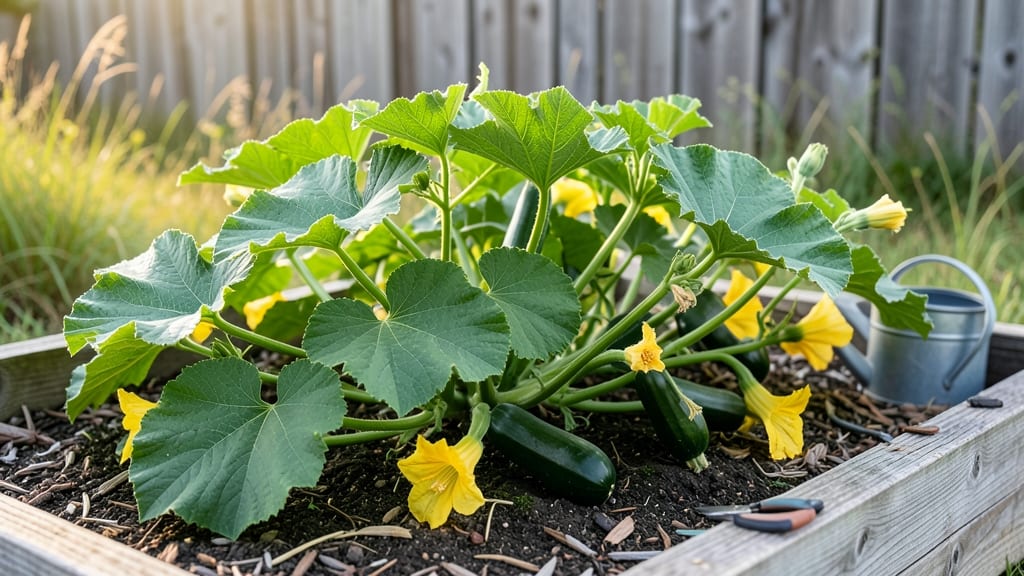
Squash do not grow underground—their roots spread horizontally near the soil surface while vines sprawl above ground. The edible portion develops above soil, though some varieties have shallow, fibrous root systems supporting the plant's sprawling growth habit.
Squash plants thrive with their roots spreading outward rather than downward, typically reaching depths of only 4-6 inches—about the length of your palm. 🌱 This shallow root system allows the vines to sprawl across the soil surface, where they develop their characteristic sprawling growth.
The fruits themselves grow above ground, supported by these fibrous roots and sturdy vines, which is why gardeners often use mulch or trellises to protect them from rot or pest damage.
What's fascinating is how this growth habit actually benefits the plant. The sprawling vines maximize sunlight exposure for the developing fruits while the shallow roots efficiently absorb moisture from the topsoil layer.
Many gardeners mistakenly assume squash needs deep soil, but in reality, it prefers well-draining, nutrient-rich topsoil with plenty of space to spread out horizontally.
💡 In This Article
- How Squash Roots and Vines Develop Above Ground
- Best Growing Conditions for Squash Vines and Fruits
How squash roots and vines develop above ground
Squash plants develop a unique root system that stays remarkably shallow, typically spreading horizontally rather than digging deep. 🌿 The primary roots grow just 4-6 inches below the surface, forming a dense network of fibrous roots that spread outward.
This horizontal spread creates a natural "mat" that supports the sprawling vines, which can extend up to 10-12 feet in ideal conditions. Unlike potatoes or carrots, squash don't rely on deep taproots—their strength comes from this extensive surface root system that anchors the sprawling vines.
The vines themselves are the plant's main structural support, growing along the ground and developing fruits at nodes along their length. These vines contain specialized cells that transport water and nutrients from the shallow roots to the developing fruits above ground.
The fruits grow upward from the vine, supported by the plant's natural structure rather than buried in soil. This above-ground growth habit is why gardeners often see squash fruits growing on the vine rather than underground, even when the vines spread across the soil surface.
What makes this growth pattern so efficient is how it maximizes sunlight exposure for the fruits.
The sprawling vines create a natural canopy that helps regulate temperature and moisture around the developing squash. 💫 The shallow root system also allows the plant to quickly absorb surface moisture, which is particularly beneficial in warm climates where squash thrives.
This adaptation explains why squash plants often look like they're "stretched out" across garden beds rather than growing upward like many other vegetables.
Interestingly, some squash varieties develop small, secondary roots along the vine stems themselves. These additional roots help stabilize the sprawling growth and provide extra support to the heavy fruits as they develop.
While these secondary roots may penetrate slightly deeper than the primary roots, they still remain within the top 6-8 inches of soil. This multi-layered root system ensures the plant can spread widely while maintaining stability for the heavy fruits that grow above ground.
The edible portion of squash—the fruit—develops entirely above the soil surface, supported by the vine structure. This is why gardeners often use techniques like mulching or trellising to protect the fruits from direct soil contact, which can lead to rot or pest damage.
The plant's entire focus is on growing fruits above ground while using its shallow root system to gather nutrients and water from the top layers of soil.
Understanding this growth pattern helps explain why squash plants need plenty of horizontal space rather than deep soil. The sprawling vines and shallow roots create a delicate balance that requires well-draining, nutrient-rich topsoil to support both the root system and the developing fruits above ground.