
Blooming
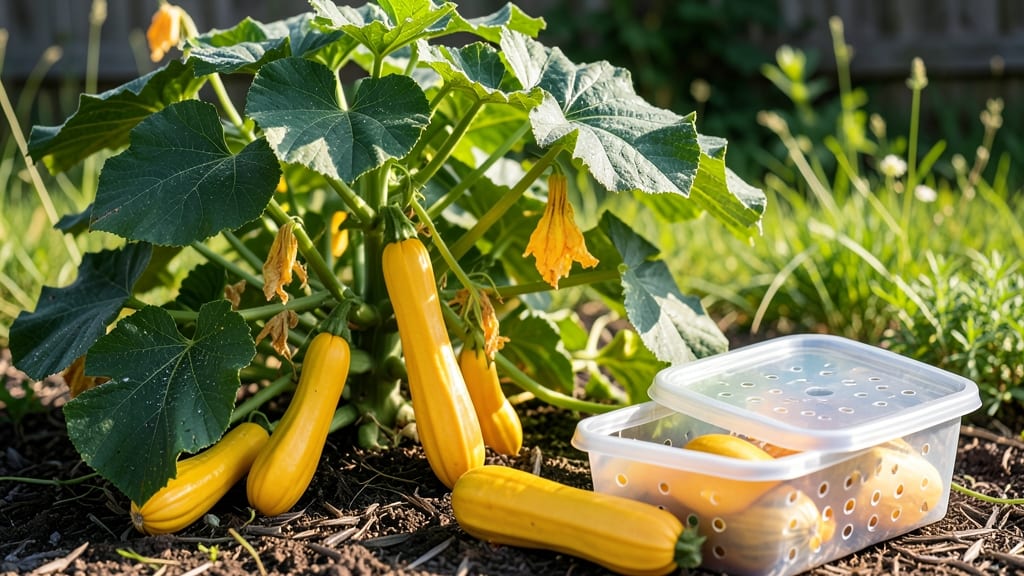
Storing yellow squash long-term means no more sad, mushy squash in your fridge by August. The right method—whether freezing, refrigerating, or canning—transforms your summer harvest into winter meals, and I’ve perfected a freezer-friendly approach that keeps squash crisp and flavorful for up to 12 months.
No more guessing whether it’ll last the season.
Most people overlook the prep work, but blanching is the secret to preserving texture. A quick dip in boiling water followed by an ice bath locks in freshness, while proper packaging (vacuum-sealed or heavy-duty freezer bags) prevents freezer burn.
Even small batches stay intact—no wasted squash here. The process takes 30 minutes but saves you from buying store-bought squash all winter.
By the time you’re ready to cook, your squash will taste almost as fresh as the day you picked it. Whether you’re prepping for soups, stir-fries, or roasted sides, the flavor stays vibrant. No more bland, mealy squash—just homegrown quality whenever you need it.
This method works for both home gardeners and bulk harvests, scaling easily from a few squash to a bushel. The key is consistency in prep and storage, and I’ll walk you through every step to ensure your squash stays perfect until next summer.
What Triggers Yellow Squash Spoilage
Yellow squash, like its green cousin, is packed with nutrients but can quickly turn mushy or develop mold if stored improperly. Understanding the root causes of spoilage helps you extend its shelf life—whether fresh or frozen.
Below, we break down the science behind why yellow squash deteriorates over time, so you can fight back with smart storage strategies.
Yellow squash is not sterile—it’s covered in natural microbes (bacteria, yeast, and mold) from the soil, air, and handling. These microbes thrive in the right conditions, turning your squash into a science experiment gone wrong.
- Moisture buildup: High humidity (above 85%) creates the perfect damp environment for mold (Penicillium and Rhizopus species) to sprout in 2–3 days. Even a slight sweat on the skin signals trouble.
- Temperature swings: Storing squash near the fridge’s crisper drawer (40–50°F) slows microbial growth, but leaving it at room temp (70°F+) lets bacteria like Pseudomonas multiply rapidly, causing slimy texture and off odors.
- Physical damage: Cuts, bruises, or punctures expose the flesh to oxygen, accelerating microbial activity. A single nick can become a breeding ground for rot within 48 hours.
Actionable fix: Wash squash just before storing (not days ahead) to avoid adding excess moisture. Use a paper towel to dry thoroughly—dampness = microbial buffet.
Yellow squash, like many vegetables, releases ethylene gas—a natural plant hormone that speeds up ripening and aging. Too much ethylene? Your squash will soften, develop a mealy texture, and lose flavor faster.
- Self-generated ethylene: As squash ripens, it emits ethylene, which triggers further breakdown of cell walls (pectin degradation), making it mushy.
- Cross-contamination: Storing squash near ethylene-producing fruits (apples, bananas, tomatoes) or other veggies (pears, avocados) accelerates spoilage. Ethylene levels can double in a sealed container within hours.
- Oxygen deprivation: While some ethylene is normal, too little oxygen (e.g., in airtight bags) forces squash to metabolize faster, producing more ethylene in a vicious cycle.
Actionable fix: Store squash away from ethylene sources and in well-ventilated containers (like perforated bags or open crisper drawers). For long-term storage, freezing halts ethylene production entirely.
Yellow squash’s firm texture comes from its cellulose and pectin structure. Over time, enzymes (polygalacturonase) and natural decay weaken these bonds, turning crisp flesh into a sad, watery pulp.
- Enzymatic activity: Even at cool temps, squash enzymes slowly break down pectin, causing cell separation. This is why refrigerated squash loses crispness in 7–10 days.
- Oxidation: Exposure to air triggers oxidative reactions, bleaching the skin and turning the flesh brown or gray. Cut squash oxidizes 3x faster than whole.
- Freezer burn (if frozen improperly): Ice crystals pierce cell walls during thawing, releasing moisture and creating a grainy, dry texture. This isn’t “burn”—it’s physical damage.
Actionable fix: Blanching (dipping in boiling water for 3 minutes) deactivates enzymes before freezing. For whole squash, vacuum-sealing or using airtight containers minimizes oxidation.
Human error is the #1 culprit for squash spoilage. A few common mistakes turn a fresh harvest into a science experiment:
- Washing before storage: Excess moisture traps microbes and speeds up decay. Always dry thoroughly after washing.
- Storing with high-moisture veggies: Potatoes, cucumbers, and leafy greens release moisture, creating a humid microclimate that promotes mold.
- Ignoring the stem: The stem end is the squash’s “weak point”—it’s where ethylene concentrates and rot often starts. Trim it before storing.
- Temperature abuse: Fluctuations (e.g., moving squash from fridge to counter) stress the cells, accelerating spoilage. Keep temps consistent.
Actionable fix: Treat squash like a delicate package—handle gently, store stem-side up, and avoid crowding in containers.
Fixing Storage Mistakes for Freshness
Yellow squash is a garden treasure, but even the best harvest can spoil if stored improperly. The good news? Most storage issues have simple fixes—and with a few proactive steps, you can keep your squash fresh for months.
Below, we’ll tackle common problems and show you how to turn them around, plus how to prevent them from happening again.
Cause: Overripe squash, high humidity, or improper handling. Fix It:
- 🍳 Trim and Prep: Cut off any bruised or soft spots with a clean knife. Discard the damaged flesh to prevent spoilage from spreading.
- 🌡️ Dry Thoroughly: Pat the squash with a paper towel to remove excess moisture. This step is critical—wet squash speeds up rot.
- ⏰ Freeze Fast: If you’re freezing, blanch whole squash (dip in boiling water for 3 minutes, then ice bath) before storing in airtight bags. For cooked squash, cool it completely before freezing in portions.
Prevent It:
- Harvest squash when firm and fully colored (not soft or dull).
- Store in a cool, dry place (50–55°F) until ready to process.
- 💡 Pro Tip: Use a fan on low to speed-dry squash after washing—it cuts prep time in half!
Cause: Surface moisture, ethylene gas buildup, or poor airflow. Fix It:
- 🔪 Trim and Sanitize: Cut away moldy areas and ½ inch of surrounding tissue to ensure the fungus doesn’t linger. Wash the squash with a vinegar-water solution (1:3 ratio) to kill spores.
- 🌬️ Boost Airflow: If storing long-term, freeze the squash immediately or dehydrate slices at 135°F for 6–8 hours until brittle.
Prevent It:
- ✨ Store Separately: Keep squash away from apples, bananas, or tomatoes (ethylene producers speed up spoilage).
- 🎯 Use Ventilation: If storing in a root cellar, place squash on wooden racks or crates to allow airflow.
- 🔥 Quick Freeze: For large batches, freeze whole squash before peeling—it preserves texture better than storing raw.
Cause: Low humidity, dehydration, or exposure to light/heat. Fix It:
- 💧 Rehydrate (Temporarily): Soak wilted squash in cool water for 10–15 minutes to plump it up. Use within 24 hours for cooking.
- 🥘 Revive for Cooking: If slightly shriveled, roast or sauté with a splash of water or broth to restore moisture.
Prevent It:
- 🌡️ Ideal Storage Temp: Keep squash at 40–50°F (never above 60°F). A root cellar or basement works best for short-term storage.
- 📊 Humidity Control: Use a humidity pack (damp paper towels in a sealed container) if storing in a dry climate.
- 💡 Pro Tip: Wrap squash in unbleached paper towels before storing in breathable fabric bags to slow moisture loss.
Cause: Improper packaging, temperature fluctuations, or long exposure to air. Fix It:
- 🔪 Rescue Edible Parts: Trim off freezer-burned outer layers. The inner flesh is usually safe to cook.
- 🍳 Repurpose: Use freezer-burned squash in soups, stews, or baked goods where texture isn’t critical.
Prevent It:
- 📦 Pack Like a Pro: Vacuum-seal squash or use heavy-duty freezer bags, squeezing out all air before sealing.
- ⏰ Label and Rotate: Write the date on packages (squash lasts 8–12 months frozen). Use the “first in, first out” rule.
- 🌡️ Stable Temps: Keep your freezer at 0°F or below. Avoid opening it frequently during storage.
💡 Bonus Prevention Table: Quick Storage Cheat Sheet
| Issue | Short-Term Fix (1–2 Weeks) | Long-Term Fix (Months) |
|---|---|---|
| Soft squash | Cook immediately or refrigerate in a breathable bag | Freeze blanched or dehydrate slices |
| Mold | Trim and cook within 2 days | Freeze or pickle with vinegar |
| Wilting | Soak in water or roast with broth | Store in a humidified cool space |
| Freezer burn | Use in cooked dishes | Vacuum-seal and label dates |
With these fixes, your yellow squash will stay fresh, flavorful, and ready for your favorite recipes—whether it’s roasted, spiralized, or tucked into a hearty soup. 🥕✨ The key is acting fast when issues arise and setting up your storage system for success from day one.
Frequently asked questions
Can I store yellow squash at room temperature?
No, room temperature storage is a big mistake—it causes squash to spoil in just 3-5 days. Keep whole yellow squash in a cool, dry place (50-55°F) like a pantry or basement, but for longer than a week, refrigerate in a breathable bag. The key is consistent temperature to slow microbial growth.
How do I know when yellow squash is too old to store?
Check for these red flags: soft spots when gently pressed, wrinkled skin, or a dull yellow color instead of bright. If the stem end feels mushy or you see any mold, it's past its prime. Even small bruises create entry points for bacteria, so don't store damaged squash—use it immediately or compost it.
What's the best way to freeze sliced yellow squash?
Blanching is non-negotiable! First, dip slices in boiling water for 2-3 minutes**, then transfer to ice water for the same time. Drain well, pat dry, and spread on a tray to freeze individually before bagging. This prevents soggy texture. Label bags with the date—properly frozen squash lasts 8-12 months.
Can I store yellow squash with other vegetables?
Not ideal! Ethylene gas from fruits like apples or bananas speeds up squash spoilage. Store it separately in a well-ventilated container. Also keep it away from high-moisture veggies like potatoes or cucumbers—excess humidity creates the perfect mold environment. A dedicated drawer or shelf works best.
What's the quickest way to revive slightly wilted squash?
Soak whole squash in cool water for 10-15 minutes to restore moisture, then pat dry thoroughly. For immediate use, roast or sauté with a splash of broth or water. If storing long-term, consider vacuum-sealing or using a humidity pack to prevent future wilting. Never store squash in sealed plastic bags.