
Plants
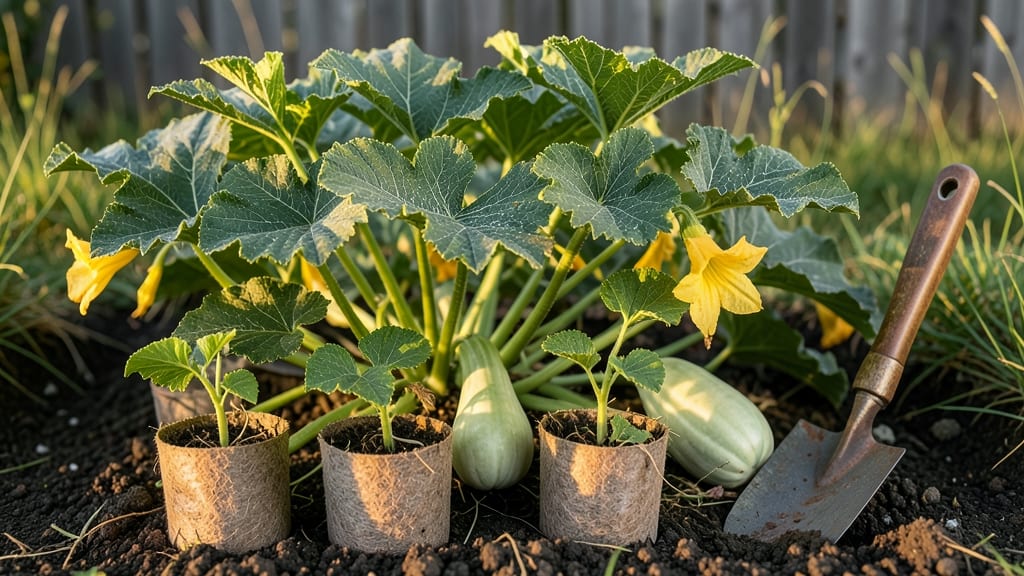
Plant winter squash in Georgia when soil temperatures hit 60°F and all frost risk has passed — typically mid-March to early April for spring crops or late July to early August for fall harvests.
Georgia gardeners know timing is everything — plant too early, and frost will ruin your harvest; too late, and heat stress cuts yields short. Missing the window means six-foot vines with nothing to show for it, and I’ve seen it happen more times than I’d like to admit.
Your 7b-8b zone gives you two chances: a spring planting for October-November harvests or a summer planting that ripens just in time for winter storage. The key is soil warmth, not just calendar dates, and I’ll show you how to check it the easy way.
Here’s what you’ll learn: the exact frost-free window for your Georgia county, how to prep soil for maximum germination, and the two varieties that thrive here better than any others — plus a trick to extend your harvest into December.
Georgia’s ideal planting window for winter squash by variety
Georgia’s warm climate and long growing season make it perfect for winter squash, but timing varies by variety. Fast-maturing types like 'Waltham Butternut' need early starts, while slower growers like 'Delicata' thrive with summer planting.
Understanding your USDA zone (7b-8b) and frost dates is key to avoiding heat stress or early frosts.
Most Georgia gardeners plant winter squash in two windows: spring (March–April) and summer (July–August). Spring planting yields fall harvests, while summer planting extends storage into winter. Heat tolerance is critical—some varieties wilt above 95°F, while others thrive in Georgia’s summer heat.
Here’s how to match your variety to Georgia’s climate zones and frost-free windows for maximum success:
For Zone 7b (northern Georgia), aim for spring planting by April 1st to avoid late frosts. In Zone 8b (southern Georgia), you can push summer planting to mid-August for a winter harvest. Always check your local frost-free dates—Georgia’s average first frost is November 15th, but microclimates vary.
Fast-maturing varieties like 'Waltham Butternut' (85 days) are ideal for spring starts and can handle Georgia’s summer heat if planted early. Slow growers like 'Spaghetti' (120 days) need transplants in July to mature before frost. Use black plastic mulch to extend the season by warming soil and retaining moisture.
Heat stress is a major risk in Georgia’s summers. If temperatures exceed 95°F for weeks, even heat-tolerant varieties like 'Delicata' may struggle. Provide shade cloth during peak heat or opt for morning watering to keep roots cool. Drip irrigation is your best friend during Georgia’s humid summers.
Don’t forget to account for soil temperature—winter squash needs 60°F+ soil to germinate. Use a soil thermometer to confirm readiness. In cooler Zone 7b areas, wait until mid-April even if air temps are warm. Patience here prevents seed rot and poor germination.
Pro tip: Plant a mix of fast and slow varieties to stagger harvests. Start with 'Waltham Butternut' in March, then add 'Delicata' in July. This ensures fresh squash from October through January—perfect for Georgia’s mild winters. Store harvested squash in a cool, dry place (50–55°F) to extend shelf life.
🎃
Soil temperature & pre-planting preparation Checklist for Georgia squash
Georgia’s humid climate demands precise soil prep before planting winter squash. The ideal soil temperature for germination is between 55–95°F, with 60°F+ being critical for consistent sprouting. In Georgia, this typically aligns with mid-April to early May for spring plantings or late July for fall harvests. Waiting until soil warms ensures strong root development and avoids damping-off disease in cool, wet conditions.
Georgia’s clay-heavy soils often need amendments to improve drainage and fertility. Work in 2–3 inches of compost or well-rotted manure to boost organic matter, and test your soil’s pH (6.0–7.0). If your soil is too acidic, add pelletized lime (follow package rates) 2–3 weeks before planting.
This step is non-negotiable in Georgia’s humid summers, where poor drainage leads to root rot and fungal issues.
Visual Checklist: Pre-Planting Prep for Georgia Squash
- 🌡️ Soil Temp Check: Use a soil thermometer—wait until 60°F+ for 5+ inches deep.
- 🌱 Soil Amendments: Mix in compost (2–3") + pelletized lime if pH < 6.0.
- 🪴 Planting Depth: Bury seeds 1" deep, hills 2–3 feet apart for vining varieties.
- 💧 Mulch Layer: Apply straw or black plastic mulch to retain moisture and suppress weeds.
- ✂️ Disease Prevention: Prune lower leaves to improve airflow and reduce powdery mildew risk.
Georgia’s summer heat can stress squash seedlings if planted too early. Use black plastic mulch to raise soil temperatures by 5–10°F and conserve moisture—critical in Georgia’s dry spells. For fall harvests, plant in late July to avoid heat shock while maximizing the 90–120-day growing window before frost.
Always plant seeds 1 inch deep in hills spaced 2–3 feet apart to accommodate sprawling vines.
Don’t overlook disease prevention in Georgia’s sticky humidity. Before planting, remove all debris from last year’s garden to eliminate fungal spores. At planting, apply a copper fungicide spray (optional but recommended) to deter powdery mildew and downy mildew.
After germination, prune lower leaves to improve airflow and reduce leaf wetness—a primary trigger for fungal outbreaks in Georgia’s climate.
For container growing in Georgia, use 5-gallon pots with well-draining mix (50% potting soil, 30% compost, 20% perlite). Place containers in full sun and water daily during heatwaves to prevent stress.
Monitor soil temperature closely—containers heat up faster than in-ground beds, so aim for 65–75°F for optimal germination. In Georgia’s USDA zones 7b–8b, this often means waiting until mid-May for containers.
Finally, mark your calendar for Georgia’s first frost date (Nov 15). Fast-maturing varieties like ‘Waltham Butternut’ (85 days) can be planted as late as early August for a fall harvest, while slower growers like ‘Delicata’ (100 days) need an early July start.
Always harvest before frost—cold snaps turn squash mealy and inedible, no matter how well you’ve prepped the soil.