
Plants
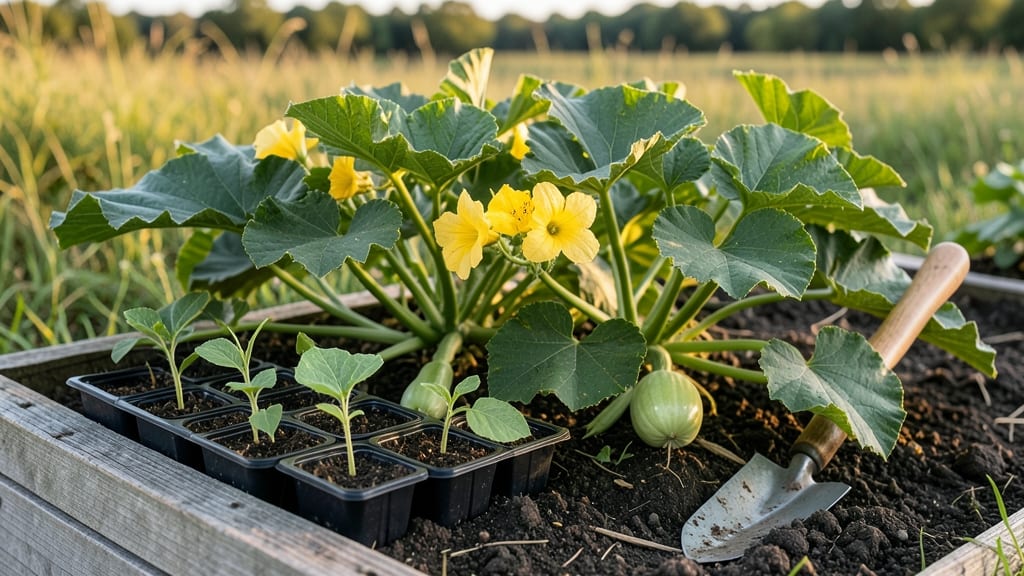
Georgia’s best squash planting dates by region (USDA zones 7-8)
Timing your squash planting in Georgia isn’t one-size-fits-all—North Georgia’s cooler Zone 7 climates differ dramatically from South Georgia’s Zone 8 heat. Plant too early, and frost will nip your seedlings.
Too late, and summer’s scorching temperatures stress your plants before harvest. The key? Understanding your last frost dates and soil warmth thresholds.
For North Georgia (Zone 7), like Atlanta and the Piedmont, your window is tighter. The last frost typically hits around April 15, but soil may not warm enough until May 1.
In South Georgia (Zone 8), including Savannah and Columbus, you can start as early as March 15—but heat waves in June can shorten your harvest window. Let’s break down the exact planting dates for each region.
If you’re in North Georgia (Zone 7), aim for May 1-15 to avoid late frosts. I’ve planted butternut squash in late April only to see frost damage—don’t make that mistake!
For South Georgia (Zone 8), you can start as early as March 15, but watch for heat waves. I once lost my zucchini harvest because I planted too late in June—vines wilted before fruiting.
Don’t overlook late summer planting! In Zone 7, try August 1-15 for winter squash like acorn or pumpkin. These varieties mature faster and handle cooler fall temps. In Zone 8, July’s heat can still work—just choose heat-tolerant varieties like ‘Straightneck’ or ‘Yellow Crookneck’.
For high-altitude areas like the Blue Ridge Mountains, delay until May 15-June 1. Cooler nights slow growth, so opt for shorter-season varieties like ‘Early Prolific Straightneck’. I’ve seen gardeners in Zone 6b struggle with squash—don’t push your luck if you’re near the Appalachian foothills.
One critical mistake I see? Planting too close to frost. Even if your last frost date is April 15, wait until May 1 in Zone 7.
Use row covers if needed, but don’t risk it. For Zone 8, early planting means you’ll harvest before summer’s peak heat—ideal for summer squash like zucchini.
Pro tip: Direct-sow seeds after your target date—squash hates transplanting. Space 2-3 feet apart for vining types, 1-2 feet for bush varieties. I’ve used black plastic mulch to warm soil faster in Zone 7, cutting my wait time by 10 days.
Remember, Georgia’s climate is unpredictable. Check your local Cooperative Extension Service for updates. I once adjusted my planting date by 2 weeks after a late frost warning—saved my entire crop! Now I monitor weather forecasts like a hawk.
For organic gardeners,
How to adjust planting times for Georgia’s microclimates
Georgia’s diverse landscapes—from the cool Blue Ridge Mountains to the steamy coastal plains—create unique challenges for squash growers. While the general rule is to plant after the last frost, your local microclimate can shift ideal timing by weeks.
Urban heat islands in Atlanta may bake soil to 80°F by April, while higher elevations near Dahlonega might still see frost in May. Adjusting for these variations ensures your squash thrives.
Start by identifying your specific microclimate type. Coastal areas like Savannah experience longer growing seasons with warmer winters, while inland valleys (e.g., Madison or Athens) have more dramatic temperature swings.
Even within cities, rooftop gardens can be 5-10°F warmer than ground-level plots. Use these differences to fine-tune your planting schedule for maximum yield.
-
1. Test Soil Temperature
Use a soil thermometer to confirm 60°F+ before planting. Coastal areas hit this by mid-March, while Blue Ridge may wait until late April. Cold soil slows germination and invites rot. -
2. Choose Heat-Tolerant Varieties
For coastal heat zones, opt for ‘Cocozelle’ or ‘Straightneck’ (tolerates 90°F+). In high-altitude areas, ‘Butternut’ varieties mature faster in cooler temps. Check seed packets for days-to-maturity to align with your frost-free window. -
3. Adjust for Urban Heat Islands
City gardens can be 10°F hotter than rural areas. Plant 2-3 weeks earlier in urban zones and use shade cloth if temps exceed 85°F. Mulch with straw to retain moisture and regulate soil temp. -
4. Use Row Covers for Early Starts
In Zone 7b (North Georgia), protect seedlings with floating row covers to extend the season by 3-4 weeks. Remove covers when plants flower to allow pollination. Ideal for late-May plantings in cooler microclimates. -
5. Monitor Local Frost Data
Check the Georgia Climate Project for 10-year frost averages. Coastal areas rarely see frost after January, while North Georgia can have late-spring frosts into April. Plant squash after May 1 in high-risk zones.
For high-altitude gardens (e.g., Ellijay or Blairsville), focus on fast-maturing varieties like ‘Early Prolific Straightneck’, which can go from seed to harvest in 45-50 days.
These areas benefit from succession planting: sow seeds every 2 weeks from May to June to stagger harvests and avoid bolting in summer heat.
Coastal gardeners should leverage the longer growing season by planting summer squash (zucchini, crookneck) as early as February under row covers. Remove covers when night temps stay above 55°F to prevent blossom-end rot.
In Zone 8b, you can even squeeze in a fall planting by mid-July for a late-October harvest.
Don’t overlook water management in microclimates. Urban gardens may need daily watering in summer, while coastal humidity can reduce frequency. Use drip irrigation to deliver 1-2 inches of water weekly directly to roots, avoiding fungal diseases common in Georgia’s high humidity.
Mulch with straw or wood chips to lock in moisture and cool soil.
By tailoring your approach to your specific microclimate, you’ll transform potential challenges into opportunities. Whether you’re battling Blue Ridge chill or Savannah heat, these adjustments ensure your squash plants thrive year after year—no matter where you garden in Georgia.