
Container Gardens
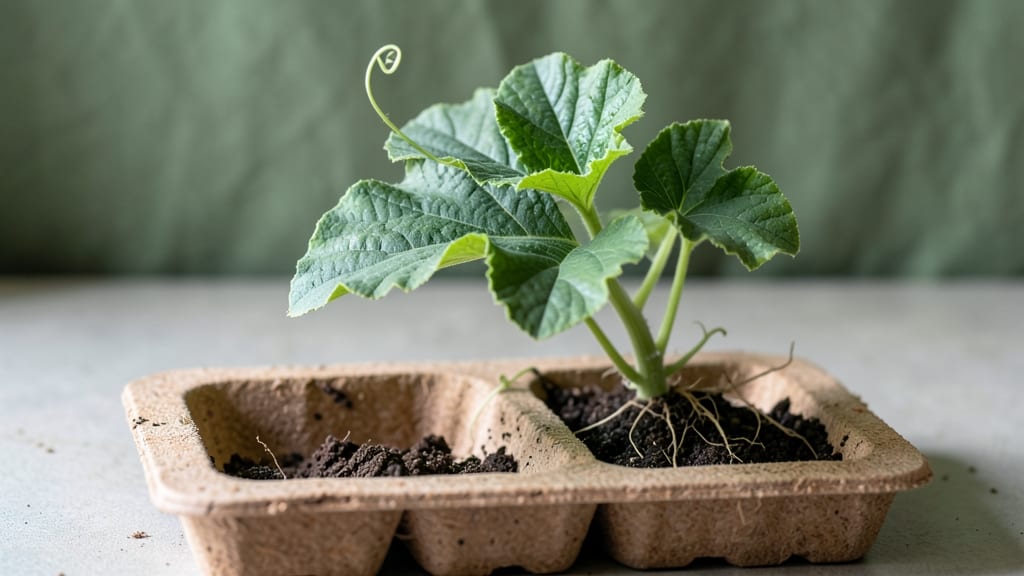
Starting winter squash 🎃 seeds indoors at the right time ensures a head start on your harvest before summer heat arrives.
Get it wrong, and you’ll either have spindly seedlings struggling to catch up or a late transplant that rots in cool soil.
The key is matching your zone’s frost dates to the 80–100-day growth window—because a two-week miscalculation can mean the difference between a pantry full of butternuts and a wasted season.
Here’s the exact week-by-week schedule for your heat zone, plus how to adjust for early vs. late varieties, soil temps, and even urban microclimates that run warmer than the official zone map.
You’ll learn how to time your start so seedlings are 3–4 inches tall and hardy enough for transplanting, plus the one trick that buys you an extra 10–14 days of growing time before the first frost.
Exact week-by-week indoor starting schedule by USDA heat Zone
Getting your winter squash seeds indoors at the right time ensures strong, healthy seedlings ready for transplanting when your garden warms up. Since USDA heat zones vary dramatically—from Zone 3 to Zone 11frost dates and germination timelines.
I’ve broken down the exact week-by-week schedule for popular varieties like butternut, acorn, and pumpkin, so you can avoid the common mistake of starting too early or too late.
Winter squash typically needs 80-100 days from transplanting to harvest, but indoor germination takes 7-14 days. That means you’ll need to start seeds indoors 3-5 weeks before your last frost date, depending on your zone.
For example, gardeners in Zone 3 (like Minnesota) should begin in early March, while those in Zone 11 (like Southern Florida) can start as late as mid-April. Below, I’ve mapped out the precise timing for every zone, including adjustments for early vs. late varieties.
If you’re growing early varieties like butternut squash, aim for the earlier end of the starting window. For late varieties such as pumpkins, push it to the later end to ensure they mature before frost.
For example, in Zone 6, starting seeds in late February gives you a buffer if germination takes longer or your seedlings need extra time to harden off.
One critical factor I can’t stress enough is soil temperature. Winter squash seeds need soil to stay between 70-90°F for optimal germination. If your home gets too cold (below 60°F), use a seedling heat mat to keep the soil warm.
I’ve had the best luck with butternut squash when using a heat mat during the first 10-14 days of germination—it cuts down on uneven sprouting and leggy seedlings.
Don’t forget to harden off your seedlings before transplanting. Start by placing them outdoors for 1-2 hours in a shaded spot 10-14 days before your target transplant date. Gradually increase their time outside over a week, ending with full sun exposure.
This process helps them adjust to outdoor conditions and reduces shock, which is especially important for acorn squash, a variety that’s prone to transplant stress.
For gardeners in Zones 9-11, where frost is rare or nonexistent, you have flexibility. You can either start seeds indoors in mid-January for an early harvest or direct-sow in late spring (March-April). If you choose to direct-sow, plant seeds 1 inch
Key factors that change your winter squash starting window
Your winter squash seeds won’t thrive if you plant them at the wrong time—especially when frost dates and local microclimates shift your ideal starting window. I’ve learned the hard way that a hybrid variety like butternut squash needs 85 days to mature, while heirloom acorn squash might take 100 days.
These differences alone can change your indoor start date by weeks.
Beyond seed type, your USDA hardiness zone and whether you garden in a rural area (cooler nights) or urban heat island (warmer soil) dramatically alter the equation. For example, my Zone 6a garden starts seeds in early March, but a friend in Zone 9a waits until February.
Let’s break down the critical factors that shift your timeline—and how to calculate your own perfect window.
- 1 Frost Dates: Start seeds 4-6 weeks before your last frost date. Check your USDA zone—Zone 5 needs earlier starts than Zone 8.
- 2 Seed Type: Hybrids (e.g., Waltham Butternut) germinate faster (7-10 days) than heirlooms (10-14 days). Adjust your start date accordingly.
- 3 Microclimates: Urban gardens stay 5-10°F warmer than rural areas. Use a soil thermometer—wait until soil hits 60°F+ for transplanting.
- 4 Daylength: Squash need 12+ hours of light daily. If your days are short (e.g., Zone 4 in March), use a grow light to prevent leggy seedlings.
Don’t overlook seed packet instructions, either. Some varieties (like Hubbard squash) are slower to mature, so I always add 10 extra days to their germination timeline. For example, if a packet says 90 days to harvest, start seeds 10-12 weeks before your first frost—not 8-10 weeks.
Pro tip: Use a planting calendar that accounts for your local frost dates. Websites like the Old Farmer’s Almanac or your cooperative extension service provide hyper-local data.
I cross-reference their frost dates with my garden journal to fine-tune my schedule—last year, my Zone 6a frost came 2 weeks earlier than predicted, so I adjusted my transplant date accordingly.
Finally, test your soil temperature before transplanting. Cold soil (below 55°F) stunts growth, while warm soil (70°F+) speeds it up. In my urban garden, I’ve seen 3-day differences in seedling growth just by moving my pots to a warmer microclimate (like a sunny patio).
Pay attention to these details, and your winter squash will thrive—no matter where you garden. 🎃