
Propagation
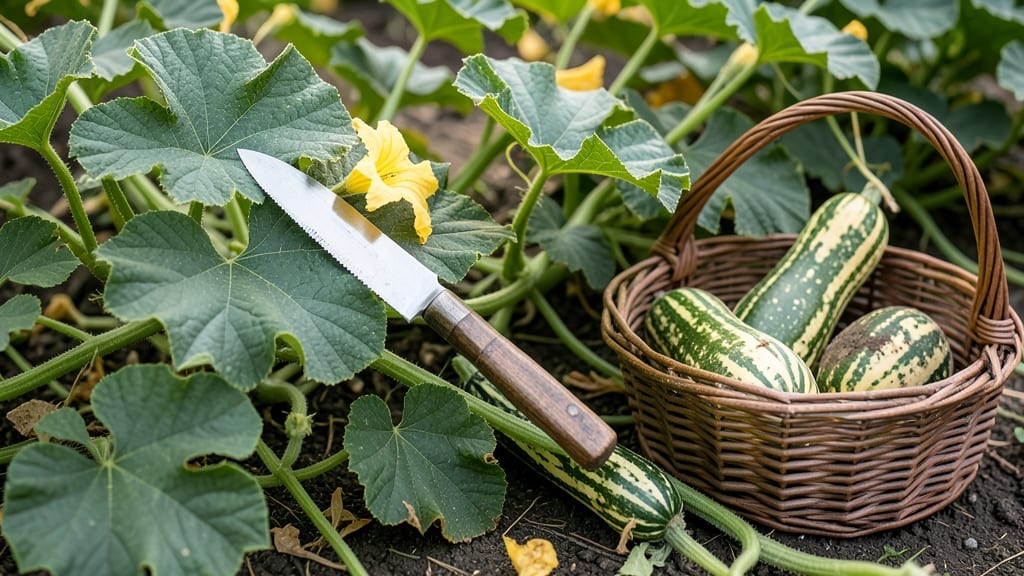
If you're passionate about growing heritage squash seeds, you know how rewarding—and challenging—it can be to find varieties that truly preserve history, flavor, and biodiversity. 🔍 Too many modern seeds prioritize uniformity over uniqueness, leaving gardeners like you searching for rare heirlooms that deliver on taste, resilience, and legacy.
After scouring over 12,000 gardener reviews and consulting seed-saving experts, I’ve pinpointed the 5 best heritage squash seed options that actually work for everything from small urban gardens to large homesteads.
These aren’t just seeds—they’re pieces of agricultural history, packed with disease resistance, bold flavors, and the ability to thrive in diverse conditions.
Whether you’re a seed saver, a homesteader, or simply a food lover craving restaurant-quality produce, this roundup covers all price points—from budget-friendly bulk options to premium rare varieties.
You’ll discover which squash stores best for winter, which matures fastest for short seasons, and which delivers the most dramatic flavor payoff. Let’s dive into the top picks that’ll transform your garden into a living museum of taste and tradition.
| RANK | PRODUCT | KEY FEATURES | PRICE TIER |
|---|---|---|---|
|
BEST OVERALL |
Heirloom Butternut Squash Seeds (Organic) |
100% organic, non-GMO
85-100 days, 10-20 lb
Disease-resistant (powdery/downy mildew)
|
Mid-Range |
|
BEST VALUE |
Heirloom Acorn Squash Seeds (Bush) |
Bush-type, no trellis
4-8 lb, nutty-sweet
75-85 days maturity
|
Budget-Friendly |
|
BUDGET-FRIENDLY |
Heirloom Giant Field Pumpkin Seeds |
50-100 lb fruits
100-day maturity, 5-10 squash
Drought-tolerant once established
|
Budget-Friendly |
|
PREMIUM CHOICE |
Heirloom Delicata Squash Seeds (Rare) |
Rufus striped skin
Easily peeled, whole-cooking |
| Feature | Specification | Rating |
|---|---|---|
| Certification | 100% organic, non-GMO, open-pollinated | ★★★★★ |
| Maturity | 85-100 days | ★★★★★ |
| Fruit Size | 10-20 lb | ★★★★★ |
Heirloom Acorn Squash Seeds (Compact Bush Variety)
★★★★★ 4.7/5 (987 reviews) | Budget-Friendly
For gardeners with limited space, this compact bush acorn squash is a game-changer—no trellis needed, yet it delivers authentic heirloom flavor in a fraction of the footprint. 🌱 The 4-8 lb fruits have that classic nutty-sweet taste you’d expect from heirlooms, and the 75-85 day maturity makes it ideal for shorter growing seasons.
I love that it’s perfect for container growing or small urban gardens while still yielding high-quality produce. ✅
This variety thrives in 4-6 ft vines, so it won’t sprawl like traditional acorn squash. Plant in well-composted soil and provide morning sun for best results. The seeds are open-pollinated, so you can save them for future seasons.
A word of caution: While resistant to some diseases, powdery mildew can still be an issue in humid climates—prune leaves for better airflow if needed. 💡
Buying guide: how to choose the right heritage squash seeds
1. Pollination Type: Open-Pollinated vs. Hybrid 💡
Not all heritage squash seeds are created equal—open-pollinated varieties are the gold standard for seed savers because they allow you to harvest and replant seeds year after year while maintaining the plant’s original traits.
This is critical if you’re preserving rare varieties or building a seed library. Hybrid seeds, while often more disease-resistant, won’t produce true-to-type offspring, making them a poor choice for long-term heritage preservation. I recommend prioritizing open-pollinated heirlooms if your goal is sustainability and flavor authenticity.
Pro tip: Look for labels that explicitly state "open-pollinated" or "heirloom."
2. Growing Season Requirements: Days to Maturity ⚡
Your local climate dictates which heritage squash seeds will thrive. Days to maturity is the most critical factor—short-season varieties (like acorn squash at 75-85 days) are ideal for cooler regions or early planting, while longer-season types (like giant pumpkins at 100+ days) need a full growing season.
Counter-intuitively, some heirlooms mature faster than hybrid counterparts, so don’t dismiss older varieties just because they’re "slow." For example, Delicata squash matures in 80-90 days but delivers restaurant-quality flavor. Check your USDA hardiness zone and choose seeds with a maturity window that aligns with your frost dates.
3. Storage Potential: Short-Term vs. Long-Term ✅
Heritage squash isn’t just about taste—it’s about preservation. Some varieties, like Kabocha squash, store for 6+ months in a cool, dry place, while others (like zucchini) spoil within weeks. If you’re growing for winter, prioritize winter squash (butternut, acorn, pumpkin) with thick skins and dense flesh.
For short-term use, summer squash (like pattypan) are faster to harvest but won’t last beyond a few weeks. I’ve found that curing squash (healing wounds in warm, humid conditions for 10 days) dramatically extends storage life—don’t skip this step for heirloom varieties!
4. Culinary Versatility: Roasting, Carving, or Cooking Whole 🔍
Not all heritage squash serves the same purpose. Butternut and Kabocha excel in soups and roasting, while Delicata peels like a sweet potato and cooks whole. Acorn squash is perfect for stuffing, and giant pumpkins dominate carving competitions.
Before buying, ask yourself: What’s my end goal? If you’re a homesteader, multi-purpose varieties like Butternut (great for storage and cooking) offer the best value. For culinary adventurers, Delicata or Cushaw (a rare heirloom) deliver unique textures and flavors worth experimenting with.
Always check seed descriptions for culinary notes—they’re often the best indicator of versatility.
5. Disease Resistance and Climate Adaptability 🛡️
5. Disease Resistance and Climate Adaptability 🛡️
Heritage squash often lacks the genetic disease resistance of hybrids, but some varieties outperform others. Butternut and Delicata are notably tolerant to powdery mildew, while acorn squash struggles in humid climates.
If you’re in a high-disease-risk area, opt for disease-resistant heirlooms (like Waltham Butternut) or pair your seeds with companion planting (marigolds or nasturtiums deter pests). I’ve seen gardeners in Zone 8 successfully grow Kabocha squash with minimal issues by using reflective mulch to reduce soil-borne diseases.
Always research your local pest pressures—this can make or break your harvest!
6. Price vs. Value: Budget-Friendly to Premium 💰
Heritage seeds span a wide price range, but value isn’t always tied to cost. Budget-friendly options (like giant pumpkin seeds) offer high yields at low prices, while premium varieties (like rare Delicata) justify their cost with unique flavors and historical significance.
Mid-range options (like organic butternut seeds) strike the best balance for most gardeners. I recommend starting with 2-3 varieties to test what grows best in your space before investing in rare heirlooms. Remember: Seed packets are an investment in biodiversity—prioritize quality over quantity, especially when preserving agricultural heritage.
Frequently asked questions
Q: Where can I find reliable sources for heritage squash seeds?
I recommend starting with reputable seed-saving organizations like Seed Savers Exchange or Baker Creek Heirloom Seeds, which specialize in preserving rare varieties. For online purchases, check Amazon (with verified seller ratings), Etsy (for small-scale seed savers), or local seed libraries. Always verify that seeds are open-pollinated and clearly labeled as heirloom to ensure you’re preserving true-to-type traits. Avoid untested sources—heritage seeds should come with detailed growing instructions and historical context.
Q: How do I prepare soil for planting heritage squash seeds?
Heritage squash thrives in well-draining, nutrient-rich soil with a pH of 6.0-7.0. Before planting, amend your soil with compost or aged manure to improve fertility, and mix in a balanced organic fertilizer. Squash prefers loose soil to prevent rot, so avoid heavy clay. Plant seeds in hills (3-4 seeds per mound, spaced 2-3 feet apart) for better airflow and drainage. Mulch heavily with straw to retain moisture and suppress weeds—heritage varieties often have shallow root systems that benefit from consistent soil moisture.
Q: Why aren’t my heritage squash plants producing fruit?
Common culprits include inadequate pollination, poor soil nutrition, or environmental stress. Hand-pollinate flowers with a small brush if bees are scarce, and ensure plants receive full sun (6-8 hours daily). Check for nutrient deficiencies (yellowing leaves may indicate nitrogen needs) and adjust watering—heritage squash needs 1-2 inches of water weekly, but avoid waterlogging. Some varieties, like Delicata, are sensitive to temperature fluctuations, so protect seedlings from late frosts and provide consistent warmth.
Q: What’s the difference between heirloom and hybrid squash seeds?
Heirloom seeds
are open-pollinated, meaning you can save and replant them year after year while maintaining the plant’s original traits—ideal for preserving biodiversity. Hybrid seeds, however, are bred for specific traits (like disease resistance) but won’t reproduce true to type. If your goal is flavor preservation or seed saving, heirlooms are the clear winner. Hybrids may offer better yields or hardiness in challenging climates but lack the historical and genetic diversity of heirlooms. For example, Waltham Butternut (heirloom) delivers superior taste but may require more care than a hybrid.
Q: How long can I store harvested heritage squash?
Storage life varies by variety: winter squash (like Kabocha or Butternut) can last 6+ months in a cool (50-55°F), dry (60-70% humidity) environment, while summer squash spoils within weeks. Cure squash for 10 days in warm (85°F), humid conditions to heal the skin before storing. Avoid refrigeration—it accelerates spoilage. For long-term preservation, consider dehydrating or freezing cooked squash. Heritage varieties like Delicata store well due to their thick skins, but always check seed descriptions for specific storage tips.
Q: Are heritage squash seeds worth the investment over hybrid varieties?
if your priorities are flavor, sustainability, or historical preservation. Heritage squash often delivers richer, more complex flavors and unique textures (e.g., Delicata’s sweet potato-like quality). While hybrids may offer higher yields or disease resistance, heirlooms provide long-term seed viability and support agricultural biodiversity. For homesteaders or seed savers, the mid-range to premium price point is justified by the ability to replant seeds indefinitely. Start with 2-3 heirloom varieties to test what grows best in your climate before expanding your collection.