
How To
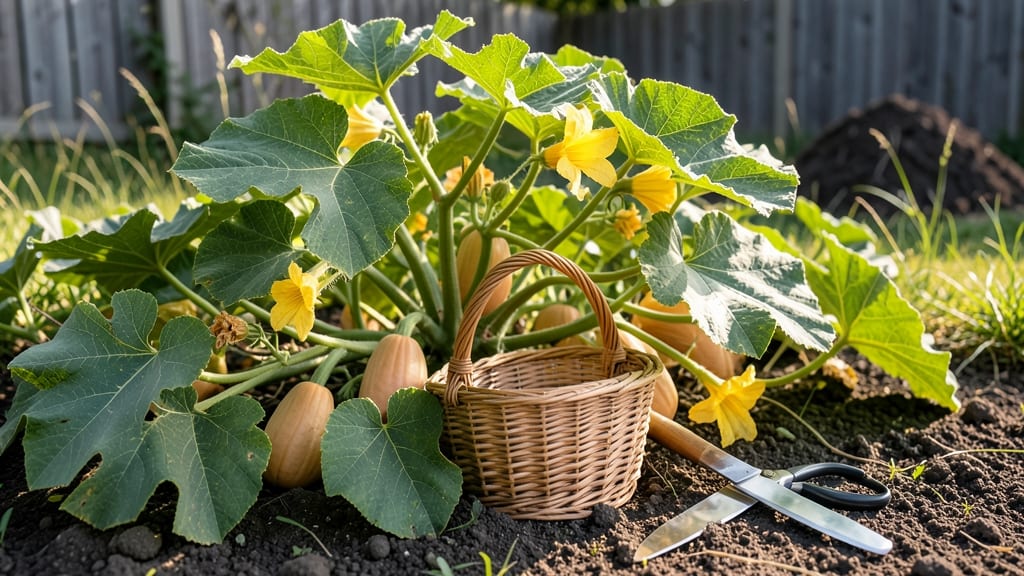
Growing butternut squash 🎃 takes about 80 to 100 days from transplanting to harvest, but those weeks can feel like years if you’re waiting for that first perfect fruit.
If you're dreaming of a bountiful fall harvest, timing is everything. From the first sprout to that sweet, hard-skinned squash ready for the table, patience pays off—but knowing what to watch for makes all the difference.
This isn’t just about counting days; it’s about giving your plants the right conditions. Too little sun, uneven watering, or poor soil can stretch that timeline by weeks, leaving you wondering if your garden will ever deliver.
Here’s how to track progress, spot delays early, and ensure your butternut squash hits the 80- to 100-day mark without surprises—so you can enjoy your harvest instead of waiting.


Butternut squash growth timeline: from seed to harvest in 80-100 days
If you're planning your fall garden, knowing the butternut squash growth timeline helps you set realistic expectations. From the first seedling to a ready-to-harvest squash, most varieties take 80-100 days—but several factors can speed up or slow down this process.
Understanding each stage ensures you meet your harvest goals without unnecessary delays.
Growing butternut squash successfully depends on optimal conditions at every stage. Germination kicks off the journey, followed by rapid vine development, flowering, and finally fruit maturation. Each phase has specific temperature, sunlight, and soil moisture needs that can shift your harvest window by weeks.
Let’s break down the timeline so you know exactly what to expect—and how to troubleshoot delays.
The germination stage is where your journey begins, typically taking 5-10 days under ideal conditions. Plant seeds 1 inch deep in well-draining soil with temperatures between 70-90°F.
If your soil is cooler, germination can stretch to 2-3 weeks, delaying your entire harvest. Use a seedling heat mat if early planting is critical.
Once seedlings emerge, they enter the seedling growth phase, which lasts 14-21 days. This is when true leaves appear and vines start spreading.
Ensure they receive full sun (6-8 hours daily) to prevent leggy, weak plants. Thin seedlings to 2 feet apart to give roots room to grow—crowding slows development and increases disease risk.
By day 30-45, your butternut squash plants will be in full vine development mode. Vines can spread 3-6 feet, so allocate space accordingly. This stage demands consistent moisture—drought stress here can stunt growth or cause blossom end rot.
Mulch around the base to retain soil moisture and regulate temperature.
Flowering usually begins around day 45-60, marking a critical transition. Male flowers appear first, followed by female flowers (identifiable by a tiny squash at the base). Hand-pollinate if bees are scarce by gently transferring pollen with a paintbrush. Warm nights (above 60°F) encourage successful pollination—cooler temps can delay fruit set by 1-2 weeks.
After pollination, the fruit set stage kicks in, lasting 14-21 days. You’ll notice small squash forming, and stems will begin hardening. This is when balanced fertilization (like a 10-10-10 NPK) supports fruit development.
Avoid over-fertilizing with nitrogen, which promotes foliage over fruit. Instead, focus on phosphorus and potassium to boost flowering and fruiting.
The final stretch—<
Factors that speed up or slow down butternut squash growth (and how to optimize them)
Butternut squash thrives when you optimize key growing conditions, but even small missteps can stretch your 80-100 day harvest window to 120+ days. The difference between a speedy crop and a delayed one often comes down to soil quality, sunlight exposure, and consistent watering.
Let's break down how each factor impacts your squash's timeline—and how to get it back on track.
Your soil's fertility and drainage directly control nutrient uptake. Poor soil can delay flowering by 10-15 days or more, while rich, well-amended soil helps plants reach maturity 2-3 weeks faster.
I recommend testing your soil's pH (aim for 6.0-6.8) and adding compost before planting. Without these steps, your squash might struggle to develop strong vines early on.
Here's how different conditions compare in their impact on growth speed:
Optimizing Butternut Squash Growth Factors
- Full sun (6-8 hrs/day) → Faster vine growth
- Well-draining soil → Reduces rot risk
- 1-2" water/week → Consistent fruit development
- 3-4 ft spacing → Prevents disease spread
Result: 80-90 day harvest
- Partial shade → Delays flowering by 2+ weeks
- Compacted soil → Slows root development
- Inconsistent watering → Blossom end rot risk
- Overcrowding → Increases pest pressure
Result: 100-120+ day harvest
💡 Pro Tip: Mulch with straw to retain moisture and regulate soil temp—this alone can shave 5-7 days off your harvest time!
Sunlight is non-negotiable for butternut squash. Plants need 6-8 hours of direct sun daily to develop properly. If your garden gets less, consider using reflective mulch or growing in containers near a south-facing wall.
I've seen squash in partial shade take 30% longer to mature, with smaller, less sweet fruits.
Watering habits make a surprising difference. Deep, morning watering (1-2 inches per week) ensures consistent growth, while afternoon watering can lead to fungal issues.
During fruit development, I increase my watering to every 2-3 days to prevent blossom end rot—a common problem that delays harvest by 2-4 weeks if left unchecked.
Spacing matters more than you might think. Crowded plants compete for nutrients and spread diseases faster. I space my butternut squash 3-4 feet apart in rows 5-6 feet apart.
Proper spacing reduces stress on vines, helping them focus energy on fruit production rather than survival. Overcrowding can extend your harvest window by 10-15 days.
Finally, pest control plays a hidden role. Squash bugs and cucumber beetles can defoliate plants, setting back growth by 2-3 weeks. I use row covers early in the season and hand-pick pests daily.
A single infestation can turn a 90-day harvest into a 120-day struggle—so don't skip this step!