
Vegetables
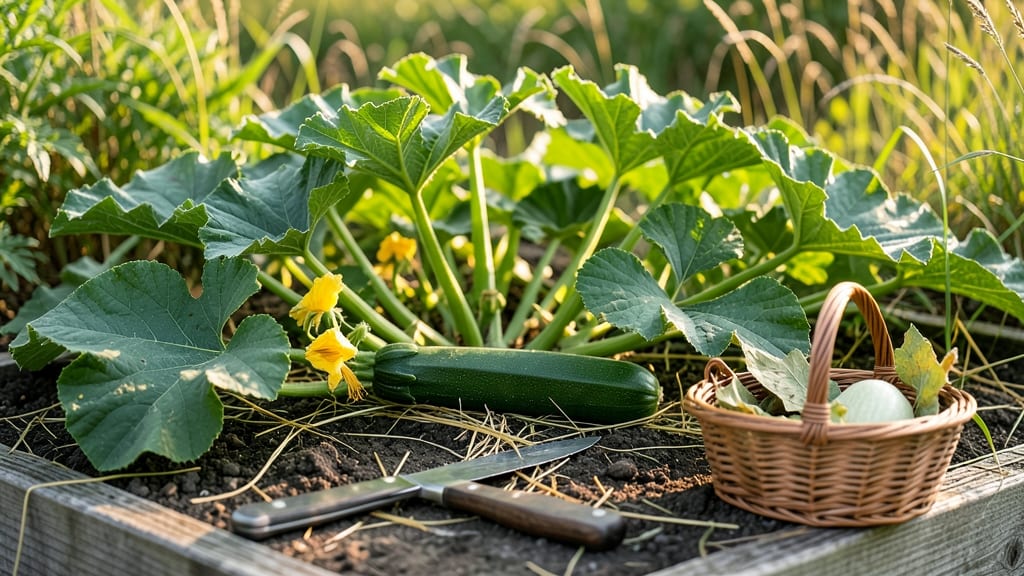
To pick squash at its peak, watch for a hard rind and fully developed color—this is when flavor and texture shine brightest 🎃.
Knowing exactly when to harvest your squash can mean the difference between a crisp, flavorful meal and a tough, seedy disappointment—so how do you tell when it’s truly ready?
Most gardeners miss the window by waiting too long, but there are three simple clues that take the guesswork out of timing: the thumb-press test, stem hardness, and color vibrancy.
In this guide, I’ll walk you through the best time to harvest summer vs. winter varieties, plus how to store your squash so it stays fresh for weeks after the garden season ends.
The perfect squash harvest time: thumb-press test & 3 key signs
Harvesting squash at the right moment transforms your garden bounty from good to exceptional. The difference between a tender, flavorful summer squash and a woody, seedy winter squash often comes down to timing.
I’ve learned the hard way—overripe squash turns to mush, while underripe varieties lack sweetness. The solution? Mastering the thumb-press test and recognizing three key visual cues that guarantee peak ripeness.
Summer squash like zucchini and yellow squash need quick harvesting, while winter varieties such as butternut or acorn squash demand patience. Both require the same foundational checks: rind hardness, color vibrancy, and stem condition.
These signs work for nearly every squash variety, making them your foolproof guide to a perfect harvest.
- 1 Perform the thumb-press test: Press your thumb firmly into the squash’s skin. If it springs back slowly (like pressing a ripe avocado), it’s ready. If it leaves a dent, wait 1-3 days.
- 2 Check rind hardness: Use your fingernail to test the skin. If it resists puncture, the squash is mature. Summer squash should feel slightly softer than winter varieties.
- 3 Inspect color consistency: Fully ripe squash displays even, vibrant color. Look for no green streaks (summer squash) or dull patches (winter squash).
- 4 Examine the stem: A dry, woody stem indicates maturity. If it’s still green and flexible, the squash needs more time.
- 5 Verify size against variety standards: Compare your squash to reference images or size charts. For example, a butternut squash should be 12-18 inches long.
For summer squash, time is critical. Harvest when fruits are 6-8 inches long—any larger, and they become stringy. I once waited too long with my zucchini, ending up with foot-long monsters that were tough and seedy.
The thumb-press test works best in the morning when squash is cool and firm.
Winter squash varieties like acorn or pumpkin require more patience. Their hard rinds and deep color develop slowly, often taking 80-100 days to mature. I recommend harvesting them after the first frost when the skin is nearly impenetrable. This hardiness ensures long-term storage.
One common mistake I see is relying solely on size. A large squash isn’t always ripe—check the rind hardness first. For example, a butternut squash might reach 20 inches but still need weeks to develop its sweet flavor. Always combine size with the thumb-press test for accuracy.
Pro tip: Use a sharp pruning shear to harvest squash. Cut the stem 1-2 inches from the fruit to prevent disease entry points. Leave a small stem attached to winter squash—it helps extend shelf life by sealing the wound naturally.
Color is your third key indicator. A zucchini should transition from green to a deep golden hue, while a pumpkin develops a rich orange or deep yellow tone. Uneven coloring often means the squash needs more sun exposure or time to mature.
Remember: Harvest frequency matters. Summer squash should be picked every 2-3 days to encourage continuous production. Winter squash, once mature, can stay on the vine until you’re ready to harvest them all at once.
By mastering these three key signs—thumb-press test, rind hardness, and color vibrancy—you’ll never miss the perfect harvest window again. Your garden’s squash will thank you with flavorful, long-lasting results every season. 🎃
Summer vs. winter squash: when to harvest for best flavor & storage
Harvesting squash at the wrong time can turn your homegrown bounty into a mushy, seedy mess. Summer squash like zucchini and yellow squash need quick action once ripe, while winter squash like butternut and acorn require patience to develop their signature sweetness.
The key difference? Maturity timing and storage goals completely change how you approach harvesting.
Summer squash should be picked when small and tender, often within 5-7 days of flowering, while winter squash needs full maturity—sometimes up to 100 days—to develop hard rinds and concentrated flavors.
Overripe squash loses texture and flavor, but knowing the exact signs for each type ensures you get the best from your garden. Let's break down the critical differences.
For summer squash, the thumb-press test is your best friend. Press your thumb into the squash—if it leaves a deep dent, it's past its prime. These varieties should be harvested young, often before they reach 8 inches, to avoid woody texture and large seeds.
Think of them as short-term delicacies that need quick use or storage.
Winter squash, on the other hand, needs time to cure. After harvesting, let them sit in a warm, dry spot for 10 days to develop their hard rinds and deepen flavors.
This curing process transforms butternut squash from bland to buttery and acorn squash from mild to richly sweet. Skipping this step means missing out on their full potential.
Overripe squash is easy to spot: soft spots, dull colors, and shriveled stems are red flags. Summer squash becomes grainy and seedy, while winter squash turns mushy and fermented.
The good news? Both types can be saved if caught early—just slice and cook them immediately. But for the best results, timing is everything.
Pro tip: Check squash daily during peak season. Summer squash grows rapidly, while winter squash matures steadily. Use a sharp knife or pruners to avoid damaging vines, and always leave a 1-inch stem attached to extend shelf life.
With the right timing, you'll turn your garden into a flavor factory.