
How To
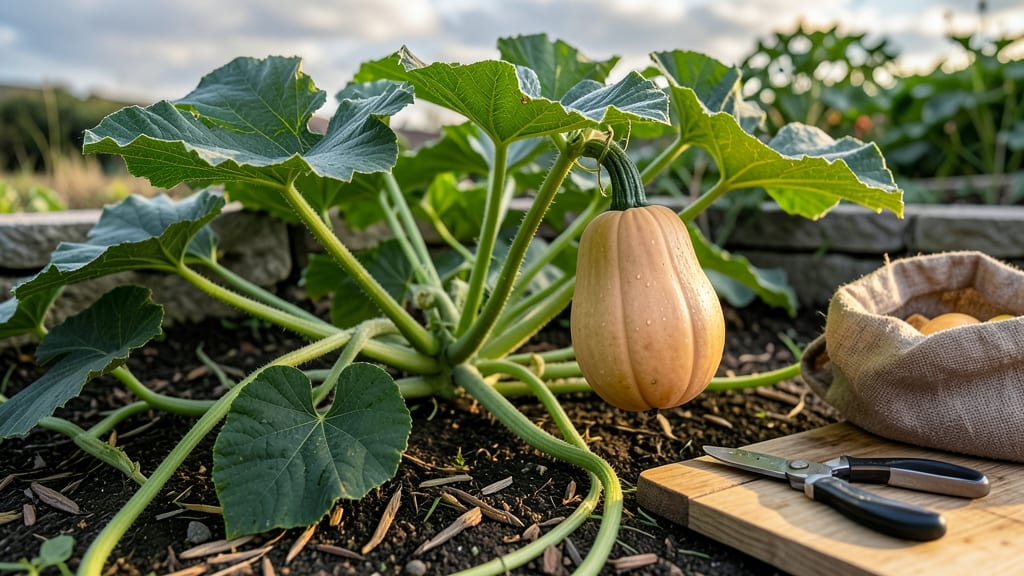
Telling when butternut squash 🎃 is ready to harvest means checking three key signs—skin color, stem condition, and rind firmness—before you cut the vine.
Picking too early leaves you with bland, watery flesh, while waiting too long risks tough skin and wasted effort. The difference between a perfect harvest and a disappointing one often comes down to timing.
Most gardeners focus on size, but the real clues lie in the squash’s texture and color shifts. A mature butternut will have a hard rind that’s difficult to pierce, a stem that’s drying out, and a deep tan hue.
Below, I’ll walk you through the exact visual and tactile cues to harvest at peak ripeness, plus how to avoid common mistakes that ruin the flavor.
3 Visual cues to identify perfectly ripe butternut squash
Harvesting your butternut squash at the right time ensures maximum sweetness and texture. Unlike some squash varieties, butternuts don't ripen further after picking, so timing is everything. The key lies in three visual indicators that reveal when your squash is ready to harvest.
First, pay attention to the skin color. Immature squash often has a bright, almost neon green or yellow hue. As they mature, the color shifts to a dull tan or beige, especially near the stem. This color change signals the squash is nearing peak ripeness.
Next, examine the stem condition. A ripe butternut squash will have a stem that's drying out and turning brown. If the stem is still green and plump, your squash needs more time on the vine. This is one of the most reliable indicators of readiness.
Finally, consider the size and weight. A fully mature butternut squash typically weighs between 2-5 pounds. When you lift it, it should feel heavy for its size, indicating it's filled out completely. If it feels light, it's not ready yet.
🌱 How to Tell When Butternut Squash Is Ready
- 1 Skin Color: Look for a dull tan or beige hue (not bright green). The skin should feel hard and tough when touched.
- 2 Stem Condition: The stem near the squash should be dry and shriveled, not green and plump. It may even start to brown and wither.
- 3 Size and Weight: Aim for a squash that's 2-5 pounds and feels heavy for its size. Lift it—if it feels light, it's not ready.
- 4 Bonus Tip: Tap the squash—it should sound hollow when mature. A dull thud means it needs more time.
For early varieties, these cues may appear as early as 75 days after planting, while late varieties can take up to 120 days. Always check the seed packet for specific maturity dates, but trust your eyes and fingers for the final decision.
One common mistake is waiting too long. If the vines start dying back or frost threatens, harvest immediately—even if the squash isn't perfectly ripe. They'll ripen further in a cool, dry place for a few weeks after picking.
Pro tip: Use a sharp pruning shears or knife to cut the squash from the vine, leaving about 2 inches of stem attached. This helps prevent rot and extends storage life. Avoid pulling or twisting, which can damage the squash.
Once you've mastered these visual cues, you'll never miss the perfect harvest window again. The reward? Squash so sweet and tender, it'll make your garden neighbors jealous.
How to test butternut squash ripeness beyond visuals: the sound and touch method
Butternut squash doesn’t always reveal its ripeness through color alone—sometimes you need to listen and feel to confirm the perfect harvest moment. While skin color and stem condition are key, these extra tests ensure you don’t miss the sweet spot.
Early varieties like 'Waltham Butternut' may ripen faster, while late varieties like 'Osage Cube' take longer, so timing matters!
Start by tapping the squash gently with your knuckles. A ripe butternut will sound hollow and deep, almost like a drum. If it thuds softly, it’s not ready yet. This method works especially well for cloudy or overcast days when visual cues are harder to judge.
Pair this with a close look at the stem attachment—it should feel dry and papery, not firm or green.
Don’t overlook the stem’s role—it’s your second checkpoint. A ripe squash’s stem will shrink and brown near the fruit, almost like it’s pulling away. If you gently twist the stem, it should break cleanly without resistance.
This indicates the squash has fully matured and is storing sugars optimally. For early-season varieties, watch for this stem change around 85 days after planting, while late varieties may take up to 120 days.
Seasonal timing also plays a role. In warmer climates (Zones 8-10), butternut squash may ripen earlier, so focus on the sound test and stem dryness more than calendar dates. In cooler regions, harvest before the first frost (after October 15), as cold temperatures can ruin the flavor.
Use a sharp pruning saw to cut the stem cleanly—never pull the squash from the vine, as this can damage the fruit.
Once you’ve confirmed ripeness, store your squash in a cool, dry place (50-55°F) for up to 3 months. The harder the rind at harvest, the longer it’ll last.
If you’re unsure, harvest a few squash early and taste-test them—this way, you’ll learn the exact sound, touch, and appearance of your garden’s perfect butternut. 🎃
Remember, patience pays off—a squash harvested too soon will be watery and bland, while one left too long may develop a woody texture. Mastering these tactile tests ensures you’ll always bring home the sweetest, most flavorful butternut squash from your garden. ✂️