
Vegetables
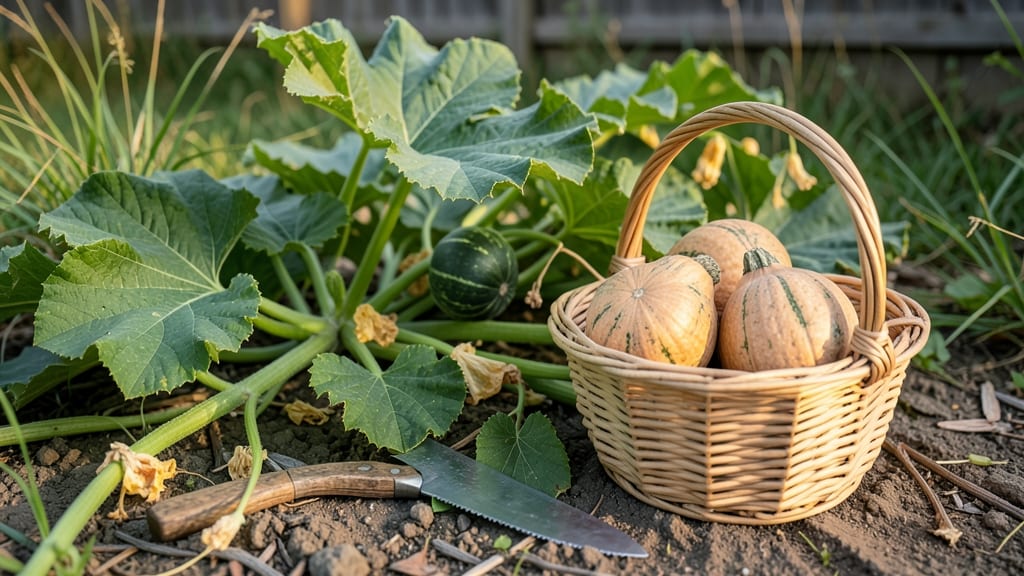
Butternut squash is harvested in late fall 🎃 when the skin turns a deep tan and the stem hardens—missing this window means bland, watery fruit instead of the sweet, nutty flavor you’re craving.
Picture this: you’ve waited all season, and now your vines are heavy with squash, but how do you know exactly when to pick? One wrong move, and you’re left with either a tough, underripe mess or a mushy overripe disappointment.
Below, I’ll walk you through the key visual cues—like skin color, stem changes, and size—that tell you the moment is right, plus how to adjust for your USDA zone to avoid frost ruining your harvest.
You’ll also learn how to cure and store your squash for maximum shelf life, so you can enjoy that harvest well into winter without a single slice going to waste.
How to identify butternut squash harvest time by color, size & stem
Harvesting butternut squash at the perfect moment transforms a good crop into a flavorful, long-lasting harvest. The key lies in observing three critical factors: skin color, stem condition, and fruit size.
Each of these visual cues tells a different story about your squash's readiness—ignoring them can mean the difference between a sweet, storable squash and one that's bitter or spoiled.
First, let's tackle the most obvious clue: skin color. When young, butternut squash skin is pale green or yellowish. As they mature, the skin gradually shifts to a tan or beige hue, especially near the neck where the stem connects.
This color change signals that the squash has reached its peak sugar content—the moment you want to harvest for the best flavor. Don't wait until the skin turns orange, as that often means the squash is overripe.
The stem condition is another critical indicator. At harvest time, the stem near the blossom end (the end opposite the tail) should feel dry and papery. If you run your fingers along it, it should crackle slightly rather than feel soft and green.
This drying process is nature's way of telling you the squash is ready. If the stem is still green and pliable, your squash needs more time on the vine.
Now, let's talk size and weight. A fully ripe butternut squash typically weighs between 3 to 5 pounds, though some varieties can reach up to 8 pounds. The key isn't just the weight, but how the squash feels in your hands.
A ripe squash will feel heavy for its size, almost like it's too dense to be hollow inside. If it feels light and hollow-sounding when tapped, it's not ready yet.
| Cue | Ready Condition | Not Ready Condition | Action |
|---|---|---|---|
| Skin Color | Tan/beige, hard to pierce | Green/yellow, soft | Harvest immediately |
| Stem Condition | Dry, papery, cracks when touched | Green, soft, flexible | Wait 3-5 more days |
| Fruit Size | 3-5 lbs, heavy for size | Under 2 lbs, light | Check again in 1 week |
| Leaves | Yellowing, dying back | Green, healthy | Harvest soon |
A common mistake I see in home gardens is harvesting too early because the squash looks "big enough." Size alone isn't enough—you need all three cues: color, stem condition, and weight.
For example, a 4-pound squash with green skin and a soft stem is still underripe, even if it looks mature. On the flip side, a squash that's turned orange but feels soft and mushy is overripe and won't store well.
Timing your harvest also depends on your local climate. In cooler regions (USDA zones 1-5), butternut squash typically matures by late September or early October, while in warmer zones (6-10), they may ripen as late as November.
Pay attention to your first frost date—butternut squash can tolerate light frosts, but a hard freeze will damage the vines and reduce quality. If frost is predicted before your squash is ready, harvest them slightly underripe and cure them indoors for 5-7 days to improve flavor.
One trick I learned from experienced gardeners is to tap the squash gently with your knuckles. A ripe butternut will produce a deep, hollow sound, almost like knocking on a wooden door. If it sounds more like a drum, it's not ready yet.
This method works especially well in low-light conditions when color changes are harder to see. Combine this with the other cues for the most accurate assessment.
If you're growing butternut squash in containers, be extra vigilant about harvest timing. Potted squash often ripen faster due to limited root space, so check them more frequently.
Container-grown squash may also be smaller at maturity, so adjust your expectations for size while still looking for the same color and stem cues. In my own garden, container-grown butternuts often reach harvest size in just 80-85 days instead of the typical 90-110 days.
Finally, don't forget that harvest timing affects storage life. Squash harvested at peak ripeness can store for 2-3 months in a cool, dry place (50-55°F
Best months to harvest butternut squash by USDA growing Zones & seasonal tips
Timing your butternut squash harvest depends entirely on your USDA growing zone and local climate. In cool climates (Zones 3-6), squash typically matures between late September and October, while warmer zones (7-10) can extend harvests into November or even December with proper care.
Understanding your first-frost date is critical—most varieties won't tolerate frost, so plan to harvest before temperatures drop below 32°F (0°C).
For gardeners in northern regions (Zones 1-4), starting seeds indoors and using row covers can push harvests 2-3 weeks later than the standard window.
Meanwhile, southern gardeners (Zones 8-10) often face the opposite challenge: heat stress can slow ripening, so prioritize shade cloth during peak summer months to maintain steady growth.
| USDA Zone | Peak Harvest Window | First Frost Risk | Season Extension Tips |
|---|---|---|---|
| Zones 3-4 | Late August - Early October | Mid-September | Use black plastic mulch + row covers |
| Zones 5-6 | Late September - October | Mid-October | Plant frost-tolerant varieties like 'Winter Luxury' |
| Zones 7-8 | October - November | Late November | Provide afternoon shade in summer |
| Zones 9-10 | November - December | None (frost-free) | Succession plant every 2 weeks |
In Zone 6a—where I garden—mid-October is my target harvest window, but I always monitor stem drying and skin hardness more closely than dates. If a hard frost threatens before squash ripen, I'll harvest early and cure them indoors to extend shelf life.
For late bloomers, I use low tunnels to trap heat and accelerate ripening.
Regional variations matter too: Pacific Northwest gardeners often harvest 1-2 weeks earlier than Midwest counterparts due to cooler summers, while Southeastern growers may face humidity-related diseases that require spaced planting and good airflow. Always check your local agricultural extension service for zone-specific advice.
Pro tip: Mark your calendar for 90 days after transplanting (the average time to maturity) and set reminders for 2 weeks before your expected frost date. This gives you a buffer period to harvest or protect your crop.
I also keep a harvest journal to track when my plants mature each year—this helps me adjust planting times for future seasons.
Don't forget that storage life improves with proper curing. After harvest, let squash harden for 10 days in a warm (80-85°F) dry place before storing. This process concentrates sugars and extends shelf life to 3-6 months in cool, dark conditions.