
Picking
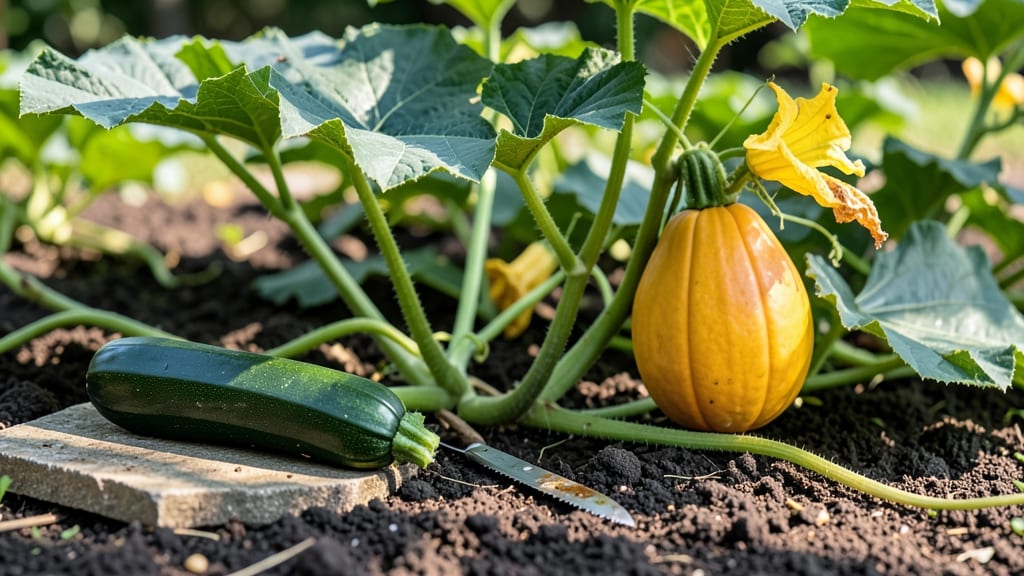
Here's why timing and conditions matter so much: squash produces ethylene gas naturally, which triggers ripening. 🔥 When you leave squash on the vine, this process happens gradually, but once picked, the rate slows unless you control the environment.
For example, butternut squash stored near bananas (which release ethylene) will soften faster, while zucchini may stay firm longer due to its thinner skin. The key is balancing temperature and humidity—too dry, and the skin toughens; too cold, and ripening stops entirely.
Different varieties also behave uniquely. Acorn squash, for instance, ripens best at 60–65°F with 80% humidity, while winter squash like spaghetti squash can handle cooler storage for months. I always check the skin's texture—when it yields slightly to gentle pressure, that's your cue it's ready to eat.
💡 In This Article
- How Temperature Controls Squash Ripening After Harvest
- Best Storage Methods to Extend Squash Ripening at Home
How temperature controls squash ripening after harvest
Squash ripening after harvest is driven by ethylene gas—a natural plant hormone that triggers cell wall breakdown and starch-to-sugar conversion. When squash remains on the vine, this process happens gradually, but once detached, the rate depends entirely on temperature.
At 50–55°F, squash maintains a balanced ripening pace, preserving texture and sweetness. Below 50°F, ethylene production slows dramatically, pausing maturation entirely—this is why refrigeration halts ripening in varieties like zucchini or yellow squash.
The science gets even more interesting when we look at cell structure. Ethylene activates enzymes called pectinases, which soften the cell walls by breaking down pectin—the glue that holds plant cells together.
At warmer temperatures (60–65°F), these enzymes work faster, accelerating ripening in varieties like butternut or acorn squash. 🔥 Meanwhile, winter squash (e.g., pumpkin or spaghetti) stores better at 45–50°F because their thicker skins protect against moisture loss and temperature fluctuations.
The starch-to-sugar conversion also peaks at 60°F, which is why properly stored squash develops sweeter flavors over time.
Humidity plays a secondary but critical role in temperature regulation. Low humidity (60% or below) causes squash skins to toughen and dry out, slowing ethylene diffusion. This is why summer squash (like zucchini) often ripens unevenly if stored in dry conditions.
Conversely, high humidity (80–90%) mimics vine conditions, keeping skins pliable and ethylene active. For example, acorn squash stored in a humidified cardboard box at 60°F will ripen 2–3 times faster than in a dry refrigerator.
Variety-specific responses highlight why one-size-fits-all storage fails. Delicate summer squash (e.g., pattypan) ripens best at room temperature (65–70°F) for 3–5 days before over-ripening, while hard-shelled winter squash (e.g., kabocha) can last 3–6 months at 45–50°F.
The key difference? Summer squash prioritizes ethylene-driven softening for immediate eating, while winter squash focuses on long-term starch preservation. Even a 5°F difference can shift ripening from weeks to months.
Ethylene exposure becomes a game-changer for home storage. Placing squash near ethylene-producing fruits (like apples or bananas) in a paper bag can accelerate ripening by 50% in varieties like butternut. However, this works best at 60–65°F—below 55°F, ethylene's effect weakens.
For example, a butternut squash stored with bananas at 62°F will soften in 10–14 days, whereas isolated storage at 50°F may take 30+ days.
Visual cues often reveal ripening stages better than time alone. A properly ripened acorn squash will have a deep orange color and a slightly yielding skin when pressed (like a ripe avocado). Underripe squash stays hard and pale, while overripe squash develops soft spots or wrinkled skin.
Temperature control lets you fine-tune these cues—cool storage preserves firmness, while warmth encourages the sweet, creamy texture we crave in roasted squash dishes.
Understanding these mechanisms lets you tailor storage to your needs. Need squash to ripen faster for a recipe? Use 60–65°F + ethylene. Want to extend shelf life? Opt for 45–50°F + high humidity.
The same squash behaves differently based on these variables—proof that ripening isn't just about time, but about creating the right environment for ethylene to work its magic. ✨