
Vegetables
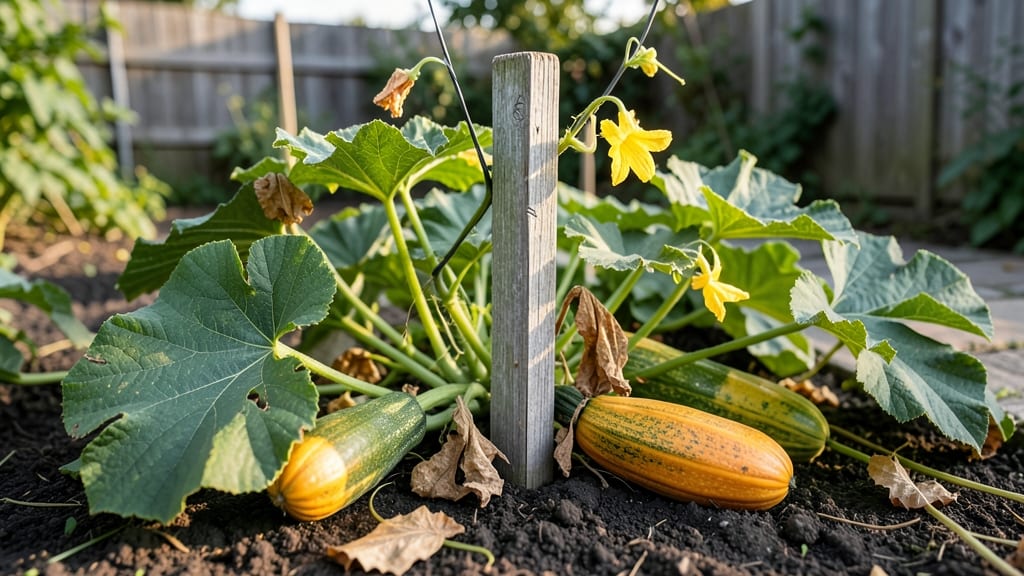
Butternut squash ripening stages pictures reveal the exact moment your 🎃 is ready to harvest—before the skin turns dull or the flesh loses sweetness.
Picture this: you’ve nurtured your plants all season, but how do you really know when that squash is perfect? Too soon, and the flavor falls flat; too late, and it’s past its prime.
The difference lies in subtle color shifts, texture changes, and even the way it feels in your hand.
In this guide, I’ll walk you through each stage—from vibrant green to rich tan—with visual cues so you never guess again. You’ll learn the 3 key signs of ripeness, how to test firmness like a pro, and why waiting too long ruins the harvest.
By the end, you’ll confidently pick squash at its peak, avoiding the 2 most common mistakes that turn great harvests into disappointments. Let’s get started.
Butternut squash ripening stages by color and texture (with pictures)
Knowing when to harvest your butternut squash can feel like guessing without clear visual cues. The transition from immature green to mature tan happens gradually, and missing these stages means either bland or overly sweet fruit.
I’ve grown butternut squash for years, and I’ve learned that skin color, stem condition, and texture are the three key factors that reveal ripeness. Let’s break down each stage so you can pick your squash at its peak.
Early-stage butternut squash often looks deceptively similar to zucchini, with a bright green rind and soft texture. At this point, the squash is still developing and won’t have the sweet flavor you crave.
The stem remains plump and green, and the skin is thin enough to pierce with your fingernail. If you harvest too early, you’ll end up with watery, underdeveloped flesh that lacks the rich, nutty taste butternut squash is famous for.
Here’s how to spot each ripening stage side by side, so you can compare your squash to these visual benchmarks:
The mature stage is your sweet spot, where the skin turns a rich tan or beige color with no green remaining. The stem at the base will feel dry and papery, almost like it’s ready to snap off easily.
This is your cue to harvest before the squash starts to shrivel or develop soft spots. I always tap the squash gently—if it sounds hollow, it’s ready!
One trick I use is the weight test. A ripe butternut squash feels surprisingly heavy for its size because the seeds and flesh have fully developed. If it feels light, it’s not ready yet.
Also, check the vine condition: healthy vines will start dying back naturally as the squash matures, which is another sign it’s time to pick.
Overripe squash is easy to spot but hard to salvage. The skin may develop soft spots or mold, and the stem can rot away completely. The flesh inside will be stringy and less flavorful.
If you miss the harvest window, store your squash in a cool, dry place for up to 3 months, but it won’t taste as sweet as one picked at peak ripeness.
Pro tip: Use a sharp knife or pruners to cut the squash from the vine, leaving about 1-2 inches of stem attached. This helps extend its shelf life.
After harvesting, cure your squash by placing it in a warm, dry spot (like a sunny windowsill) for 7-10 days to enhance its flavor and storage life.
Now that you know what to look for, you’ll never second-guess your butternut squash again. Happy harvesting—and enjoy that sweet, nutty flavor at its best! 🎃
5 Key visual cues to identify perfectly ripe butternut squash
Picking butternut squash at the right moment transforms your harvest from bland to sweet and nutty. The trick lies in recognizing subtle visual cues that reveal ripeness. Unlike some fruits, butternut squash doesn’t soften as it matures—it actually becomes harder and denser.
Let’s break down the five non-negotiable signs to watch for, so you never guess again.
First, focus on the skin color. Immature butternut squash stays green, but ripe ones develop a deep tan or beige hue along the ridges. The transition happens gradually, so check your squash every few days in late summer.
Look for patches of color near the stem first—this is where ripening begins. A fully ripe squash will have uniform tan coloring with no green patches.
- 🎃 Rind Hardness: Press your fingernail into the skin—it should not puncture easily. A ripe squash feels rock-hard.
- 🌿 Stem Drying: The stem near the fruit should turn brown and papery, indicating the plant is redirecting nutrients.
- ⚖️ Weight: Lift the squash—ripe ones feel surprisingly heavy for their size due to concentrated sugars.
- 🔊 Sound Test: Tap the squash with your knuckles. A ripe one emits a hollow, deep thud (like a drum).
- 📏 Size Maturity: Measure the squash—most varieties reach 18-24 inches long when fully ripe.
Don’t overlook the stem condition, which is often overlooked but critical. A ripe butternut squash’s stem will dry out and shrink slightly, turning from green to brown. If the stem is still plump and green, the squash isn’t ready—it may need 1-2 more weeks.
Pro tip: Gently twist the stem near the fruit. If it snaps easily, the squash is overripe and past its prime.
The weight test is another foolproof method. Pick up your squash and compare it to others. Ripe butternut squash feels dense and heavy because the flesh is packed with sugars.
If it feels light for its size, it’s likely underripe and still developing. This cue works even if the color is misleading—sometimes squash can look ripe but lack the weight.
For a final check, perform the sound test. Tap the squash firmly with your knuckles. A ripe butternut squash produces a deep, resonant thud, almost like knocking on wood. An underripe squash sounds dull, while an overripe one may feel hollow inside.
This test is especially useful when color variations make ripeness unclear. Combine it with the other cues for the most accurate results.
Timing is everything when harvesting butternut squash. If you miss the window, the flavor declines rapidly. Use these five visual cues together to ensure you pick your squash at peak sweetness.
Once harvested, store them in a cool, dry place for up to 3 months—proper ripeness guarantees longer storage life too.