
Vegetables
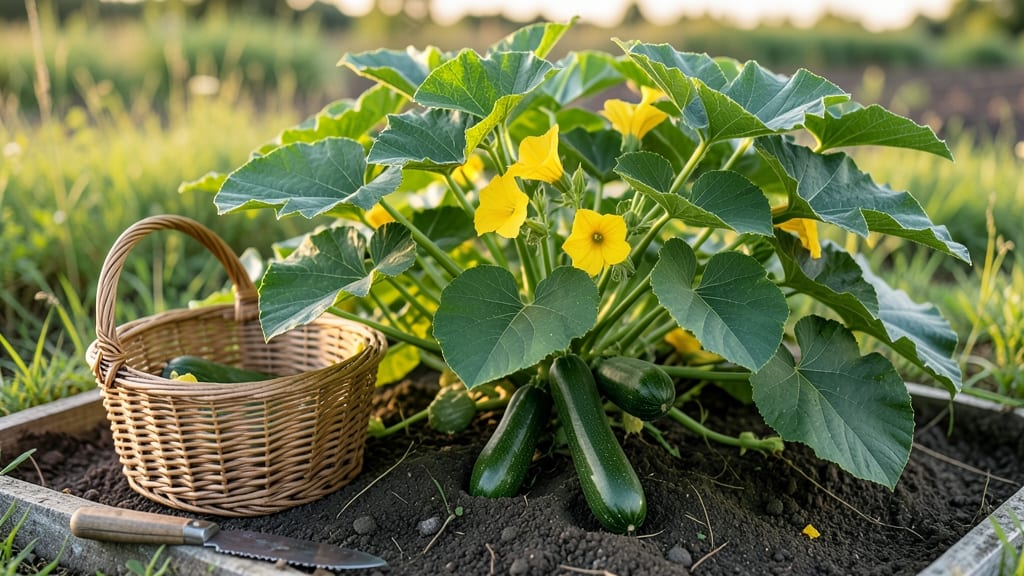
Squash is ready to harvest when it reaches full size, color deepens, and the skin resists pressure—timing that turns a bitter disappointment into a sweet victory.
Picking squash too early means bitter flesh and wasted effort, while waiting too long can lead to overripe, inedible produce—so how do you know the perfect moment to harvest?
Look for five key signs that signal ripeness: a hard skin, vibrant color, and a stem that’s drying out. These clues matter more than days since planting, especially in USDA Zone 6a, where summer heat speeds up maturity.
Below, I’ll walk you through how to test squash ripeness without cutting it open, plus what happens if you miss the window—so you can enjoy homegrown squash at its peak.
5 Visual and physical signs your squash is harvest-ready
Knowing when to harvest your squash can make the difference between a delicious meal and a disappointing one. Summer squash like zucchini and yellow squash need to be picked at the right moment to avoid becoming tough or seedy.
Meanwhile, winter squash like butternut and pumpkins require different cues. Let’s break down the key visual and physical signs that tell you it’s time to harvest.
First, focus on the skin texture. For summer squash, the skin should feel firm and be difficult to puncture with your fingernail. If it gives slightly, it’s not ready yet.
For winter squash, the skin should be hard and thick, almost like a shell. This indicates full maturity and sweetness.
Next, check the color consistency. Summer squash should have a vibrant, even color—no pale spots or streaks. Winter squash often deepens in color as it ripens, so look for rich, uniform hues.
For example, a butternut squash should turn a golden orange, while a pumpkin should develop a deep, glossy orange or green.
Don’t overlook the stem condition. A dry, shriveled stem is a strong sign that your squash is ready for harvest. For summer squash, the stem might still look fresh but feel slightly woody. In contrast, winter squash often develop a hardened, dried stem that detaches easily from the vine.
Size matters too! Summer squash like zucchini should be harvested when they reach 6 to 10 inches in length. Larger squash tend to have more seeds and tougher flesh.
Winter squash, on the other hand, should be left on the vine until they reach their full mature size, as they continue to sweeten after picking.
The seed development inside your squash is another clue. For summer squash, the seeds should still be small and underdeveloped. If you see larger seeds, the squash is likely past its prime. Winter squash, however, should have fully developed seeds—this means the flesh is at its sweetest and most flavorful.
Finally, pay attention to the sound when you tap the squash. A ripe squash will make a hollow or slightly dull sound when thumped with your knuckles. If it sounds solid, it’s not ready yet. This method works especially well for larger winter squash varieties like pumpkins.
Harvesting at the right time ensures your squash is tender, flavorful, and free of bitterness. Summer squash should be picked frequently to encourage more production, while winter squash can often be left on the vine until they’re fully mature.
Keep these signs in mind, and you’ll always know when your squash is ready to pick!
Remember, the key to a successful harvest is regular checking. Squash can ripen quickly, so make it a habit to inspect your plants every few days, especially during peak growing season. This way, you’ll never miss the perfect moment to harvest your squash.
How to test squash ripeness without cutting it open
Harvesting squash at the perfect moment means avoiding bitter, seedy flesh or overripe, mushy produce. The good news? You don’t need to cut open your squash to test its ripeness. Instead, use these non-destructive methods to check readiness—saving time and effort while ensuring the best flavor and texture.
Many gardeners rely on visual cues like color and size, but physical tests—such as the thump test or stem separation—can give you instant answers. These tricks work for both summer squash (like zucchini) and winter squash (like butternut), though the timing and indicators vary slightly between types.
Step-by-Step Ripeness Test for Squash
- 1. Thump Test: Gently tap the squash with your knuckle. A deep, hollow sound means it’s ripe, while a dull thud signals underripeness. For winter squash, aim for a thud with slight echo.
- 2. Stem Separation: Grip the stem between your thumb and forefinger. If it twists off easily (without tearing the squash skin), it’s ready. A stubborn stem means more time on the vine.
- 3. Skin Hardness: Press your fingernail into the skin. If it doesn’t puncture (or only leaves a faint mark), the squash is ripe. Soft spots mean it needs more time.
- 4. Seed Color Check (Winter Squash): For varieties like butternut or acorn, cut a small slit (just enough to peek inside). Ripe seeds should be fully formed and white (not green or shriveled).
- 5. Size Maturity: Compare the squash to its expected mature size (e.g., 6–8 inches for zucchini, 10–12 inches for butternut). Overgrown squash often means stringy, tough flesh.
⚠️ Pro Tip: Avoid harvesting in morning heat—squash firmness can be misleading after sun exposure. Test in the early morning for accuracy.
One common mistake is assuming larger size always means riper squash. Some varieties, like zucchini, should be harvested smaller (6–8 inches) to prevent bitterness. Meanwhile, winter squash (like pumpkins) need more time to develop hard, sweet flesh.
If you’re still unsure, check the vine. A ripe squash will have a drying stem and may even start to shrink slightly from the vine. Waiting too long risks rot or pest damage, so act when you see these signs.
For summer squash, frequent checks (every 2–3 days) prevent overgrowth, while winter squash can wait longer—up to 2–3 weeks past visual cues—to reach peak sweetness. Keep a harvest journal to track what works best for your garden’s climate!