
Pests and Diseases
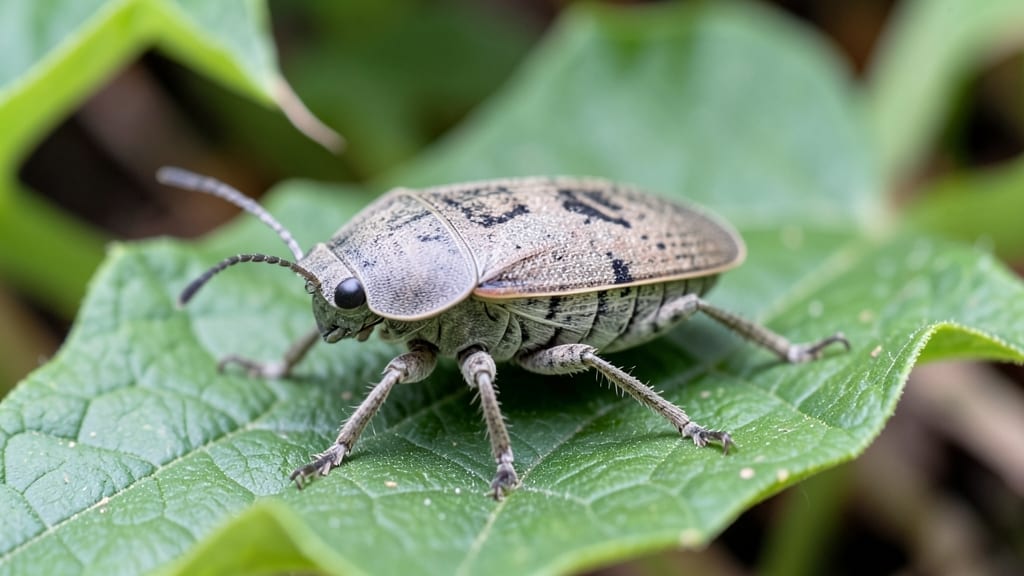
What to do about squash bugs is your first line of defense when those skeleton leaves appear overnight—unless you act fast. 🌿 The good news? These flat, gray invaders respond to early intervention with simple organic sprays and a few clever tricks that actually work.
I’ve battled them for years, and the key is timing: catch them before they lay eggs (those tiny yellow clusters under leaves). A homemade neem oil spray or soapy water knocks out adults on contact, while row covers block new hatchlings from reaching your plants.
Within 48 hours of treatment, you’ll see fresh green leaves pushing out again—no more sticky black droppings or wilting vines. The secret is consistency: check plants twice weekly and repeat sprays every 5-7 days until the bugs disappear completely. Works for zucchini, pumpkins, and winter squash alike.
Here’s exactly how to do it without chemicals.
Root Causes Of Squash Bugs
Squash bugs (Anasa tristis) are a persistent nuisance for gardeners, but understanding why they thrive in your squash patch is the first step to stopping them. These shield-backed pests don’t just appear out of nowhere—they’re drawn by specific conditions in your garden.
Let’s break down the science behind their invasion so you can address the real triggers.
Squash bugs love dense, unkempt plantings because thick foliage provides:
- Protection from predators (birds, spiders, and beneficial insects struggle to reach them).
- Moisture retention (they prefer damp soil and leaves, which thrive in crowded, shaded beds).
- Easy egg-laying sites (females glue eggs to stems and leaves—more leaves = more hiding spots).
Actionable insight: Prune vines to improve airflow and reduce humidity. Space plants 3–4 feet apart to discourage squash bug colonization.
When squash plants (or cucurbits like pumpkins and zucchini) are stressed—whether from drought, poor soil, or disease—they release volatile organic compounds (VOCs). These chemical signals act like a pest dinner bell, luring squash bugs to feed.
Key stressors that trigger invasions:
- Nutrient deficiencies (especially nitrogen or potassium).
- Overwatering or drought (both disrupt plant health).
- Fungal diseases (like powdery mildew) weaken defenses.
Fix it: Test soil pH (aim for 6.0–6.8) and amend with compost. Water at the base (not leaves) to prevent fungal growth.
Squash bugs are perennial pests—they don’t die off in winter. Instead, they lay dark brown, barrel-shaped eggs on plant stems, soil, or garden debris. These eggs overwinter and hatch when temperatures rise in spring.
Where they hide:
- Old vines, leaves, or mulch left in the garden.
- Weeds (like morning glory or pigweed) that host squash bugs year-round.
- Wooden fence posts or garden structures near squash patches.
Prevent overwintering: In late fall, remove all squash plant debris and till the soil to expose eggs to cold. Use straw mulch (not leaves) to deter egg-laying.
Squash bugs thrive in heat and humidity—ideal conditions for their fast reproduction cycle:
- Eggs hatch in 7–10 days in warm soil (60°F+).
- Nymphs mature in 4–6 weeks, and adults lay 20–30 eggs per female in summer.
How your garden might be a squash bug paradise:
- South-facing beds (get more direct sun and heat).
- Low-lying areas (trapped heat and moisture).
- Plastic mulch (retains excessive heat, accelerating their life cycle).
Counteract it: Use black plastic mulch (not clear) to suppress weeds (their alternative hosts) and reflective mulches (like aluminum foil) to deter adults.
Squash bugs have few natural enemies compared to other pests.
However, when their populations explode, it’s often because: - Beneficial insects (like big-eyed bugs, spiders, or parasitic wasps) are absent due to pesticide use (even organic sprays can harm them). - Chickens or ducks aren’t roaming the garden to eat nymphs. - Ground cover plants (like clover or alyssum) that attract predator insects are missing.
Boost biodiversity: Plant dill, fennel, or yarrow near squash to attract predatory wasps. Release trichogramma wasps (tiny egg parasites) in early spring.
Growing only squash, pumpkins, or cucumbers in a row creates a buffet for squash bugs. They prefer cucurbit crops and will migrate in droves to the easiest food source.
Why monoculture fails:
- No plant diversity to disrupt their feeding patterns.
- No trap cropping (sacrificial plants to lure them away).
- No rotation to break their life cycle.
Solution: Interplant squash with basil, marigolds, or nasturtiums (they repel squash bugs). Rotate crops annually to starve out overwintering eggs.
Quick Fixes for Squash Bugs
Squash bugs may seem like a stubborn foe, but with the right strategies, you can reclaim your garden—naturally and effectively. Below are targeted solutions for common causes of squash bug infestations, paired with actionable fixes and prevention tips to keep your plants thriving.
Problem: Squash bugs thrive in dense plantings where they can hide and multiply undetected. Fix:
- 🌱 Space plants 3–4 feet apart to improve airflow and visibility, making it harder for bugs to go unnoticed.
- 🔄 Practice crop rotation—avoid planting squash, pumpkins, or cucumbers in the same spot year after year. These pests overwinter in soil, so disrupting their habitat is key.
- 🌿 Interplant with repellent herbs like basil, mint, or thyme to confuse squash bugs with mixed scents.
💡 Pro Tip: Use reflective mulch (like aluminum foil or silver plastic) around plant bases—squash bugs dislike shiny surfaces and may avoid them.
Problem: Eggs and adult squash bugs hide in fallen leaves, weeds, and garden debris over winter. Fix:
- 🧹 Remove all plant debris from garden beds, especially after harvest. Focus on areas where squash or cucurbits grew the previous season.
- 🔥 Till or compost old plant material—this exposes eggs to predators (like birds) and sunlight, which can kill them.
- 🌿 Keep grass mowed short under and around garden edges to eliminate hiding spots.
✨ Bonus: Place cardboard traps under plants in early spring. Squash bugs will crawl underneath to overwinter, and you can dispose of them before they hatch.
Problem: Small infestations can spiral if left unchecked, but early intervention stops them fast. Fix:
- 👨🍳 Handpick adults and nymphs in the morning when they’re sluggish. Drop them into soapy water to kill them instantly.
- 🪲 Use yellow sticky traps (like those for whiteflies) to catch flying adults. Place them near plant tops where bugs congregate.
- 🌿 Shake plants over a bucket of soapy water if bugs are clustered on leaves—this removes them without chemicals.
🔥 Hot Tip: Wear gloves and long sleeves—squash bugs release a foul odor when crushed, and some gardeners are allergic to their secretions.
Problem: Squash bugs target weak, nutrient-deficient plants that can’t fight back. Fix:
- 💧 Water deeply but infrequently—squash bugs love stressed plants from uneven moisture. Aim for 1–2 inches of water per week.
- 🌿 Fertilize with compost or balanced organic fertilizer (like 5-5-5) to strengthen plants. Avoid nitrogen-heavy feeds, which attract pests.
- 🍃 Prune damaged leaves to reduce hiding spots and improve airflow.
🎯 Prevention Hack: Neem oil spray (1 tbsp neem oil + 1 tsp mild soap per quart of water) applied weekly can deter squash bugs and strengthen plant immunity.
Problem: When bugs are everywhere, you need fast, targeted action. Fix:
- 🍋 Spinosad spray (derived from soil bacteria): Safe for organic gardens, kills squash bugs on contact. Reapply every 5–7 days until infestation clears.
- 🌿 Kaolin clay (Surround WP): Creates a protective film that repels bugs. Mix 2 tbsp per gallon of water and spray plants thoroughly.
- 🧂 Diatomaceous earth (DE): Sprinkle food-grade DE around plant bases and under leaves. It dehydrates bugs but must stay dry to work—reapply after rain.
🌡️ Timing Matters: Apply sprays early in the morning or late evening to avoid harming bees and other beneficial insects.
To keep squash bugs from returning next season: ✅ Monitor plants weekly—check undersides of leaves and stems. ✅ Encourage natural predators like lady beetles, parasitic wasps, and ground beetles with diverse plantings. ✅ Use row covers for young plants to block adults from laying eggs. ✅ Plant trap crops like zucchini or cucumbers away from your main garden to lure squash bugs away.
By combining prevention, early action, and organic treatments, you can outsmart squash bugs and protect your garden without harsh chemicals. 🚀
Frequently asked questions about squash bug control
How do I know if I have squash bugs or just aphids?
Squash bugs are flat, gray-brown shield-shaped insects about 1/2 inch long with a distinctive striped pattern on their backs. Aphids are tiny, soft-bodied, and usually green/yellow. Squash bugs leave black fecal spots and skeletonized leaves, while aphids cause curling leaves and sticky honeydew.
What’s the fastest way to stop a squash bug infestation?
Handpick adults and nymphs daily (drop them in soapy water) and apply neem oil spray immediately. For severe cases, use spinosad (derived from soil bacteria) every 5-7 days until the bugs disappear. Combine with yellow sticky traps to catch flying adults.
Can I use diatomaceous earth on squash bugs?
Yes, but it must stay dry to work! Sprinkle food-grade DE around plant bases and under leaves. Reapply after rain or watering. It dehydrates bugs but is safe for plants and beneficial insects. For best results, apply in the morning when bugs are active.
Why do squash bugs keep coming back even after I treat them?
They likely overwintered in your garden! Remove all plant debris in late fall and till the soil to expose eggs. Adults also migrate from nearby weeds (like morning glory). Use reflective mulch and crop rotation to break their life cycle.
Are there any plants that naturally repel squash bugs?
Yes! Interplant your squash with basil, marigolds, or nasturtiums—they mask plant scents squash bugs use to find hosts. Other repellents include dill, fennel, and yarrow, which attract predatory wasps that eat squash bug eggs.