
Picking
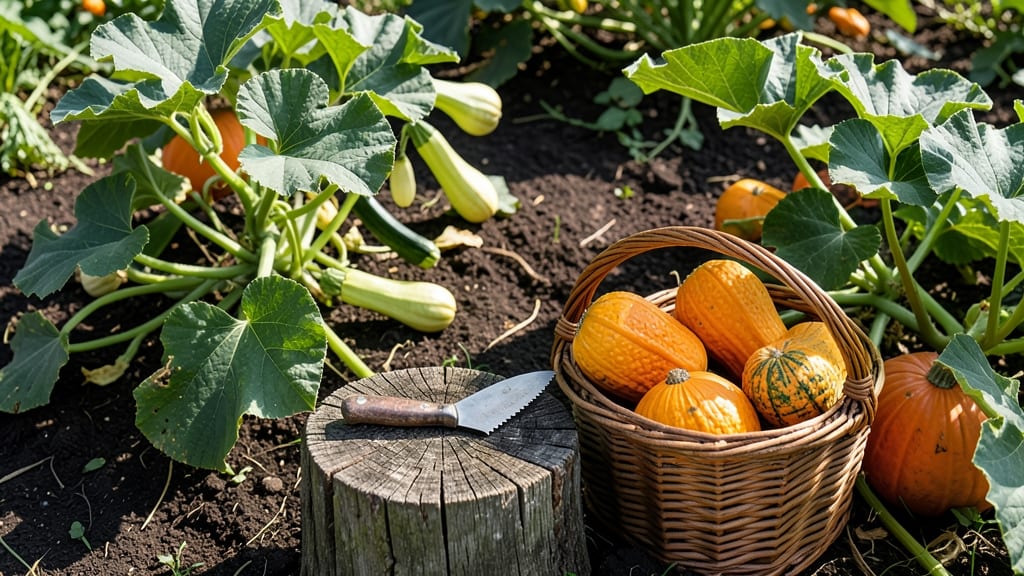
Summer and winter squash look alike but grow like night and day—one is tender and fleeting, the other hardy and long-lasting. 🌱 The first clue?
Skin thickness: summer squash (zucchini, yellow squash) has thin, edible skins you peel only if you want to, while winter squash (butternut, acorn, pumpkin) wears armor-thick rinds that keep them fresh for months.
This isn’t just about storage—it’s about when you plant, when you harvest, and how your climate dictates which varieties will actually thrive in your garden.
Summer squash is the impatient gardener’s dream: planted in spring, it explodes into harvest within 6-8 weeks, giving you bushels of zucchini before the heat of July even arrives.
Winter squash, though, plays the long game—90-120 days to maturity—so you’ll need to start seeds indoors or choose fast-maturing varieties if your growing season is short. The trade-off? Winter squash handles frost like a champ, while summer squash wilts faster than a houseplant left in direct sun.
Here’s the real game-changer: how you use them. Summer squash shines in dishes where you want quick cooking and tender texture—think grilled zucchini or spiralized noodles. Winter squash, with its dense flesh, becomes the star of roasted meals, soups, and baked goods that last through winter.
In my zone 6 garden, I grow both: summer squash for fresh eating all season, and winter squash like ‘Sugar Pie’ pumpkin for storage that sees us through December.
Your local climate decides which varieties to pick. In hot, humid summers, heat-tolerant summer squash like ‘Eight Ball’ zucchini thrives, while cooler regions benefit from quick-maturing winter squash like ‘Waltham Butternut.’ And if you’re pushing the limits?
Extend summer squash’s season with row covers, or store winter squash in a cool, dark spot where it’ll keep for 3-6 months—no fridge needed. The choice isn’t just about taste; it’s about timing, storage, and making your garden work with your schedule.
The first product explained
Meet your new kitchen MVP: the Butternut Squash—a winter squash superstar that’s as versatile as it is delicious! 🍂🥜 Whether you're a seasoned chef or a home cook looking to elevate your meals, this squash is a game-changer.
📏 Specs & Features
- Type: Winter squash (hard-skinned, non-perishable when stored properly)
- Color: Vibrant orange with a slightly ribbed, tan-colored neck
- Shape: Cylindrical with a tapered "neck" and a bulbous base
- Size: Typically weighs 2–4 lbs, but can range up to 5 lbs
- Flesh: Sweet, nutty, and dense—perfect for roasting, soups, or purees
- Skin: Thick and tough, making it storage-friendly (lasts months in a cool, dry place!)
- Nutritional Powerhouse: Packed with vitamin A, fiber, and antioxidants (📊💪)
🎯 Target Users
This squash is a must-have for:
- Health-conscious cooks: Low-calorie but nutrient-dense, it’s a fantastic addition to salads, smoothies, or side dishes.
- Busy families: Its long shelf life and easy storage make it a pantry staple for quick, wholesome meals.
- Baking enthusiasts: The natural sweetness shines in muffins, bread, and even desserts like pies!
- Vegetarians/vegans: A creamy, flavorful base for vegan mac and cheese or curries.
- Beginners: Simple to prep (just peel, seed, and chop!) and forgiving in recipes.
💰 Price Point & Availability
Butternut squash is affordable and widely available, typically priced between $1.50–$3.50 per pound depending on the season and location. You’ll find it year-round in grocery stores, farmers' markets, or even at roadside stands during peak season (fall/winter). Pro tip: Buy smaller squashes—they’re sweeter and easier to handle! 🎯
💡 Quick Prep Tips
- Peeling: Use a vegetable peeler or knife to remove the skin—no need to go too deep!
- Seeding: Cut in half lengthwise, scoop out seeds with a spoon, and save them to roast for a crunchy snack. 🌱
- Storage: Keep whole at room temperature for up to 3 months or refrigerate for freshness.
- Roasting hack: Toss cubes with olive oil, salt, and cinnamon for a caramelized, restaurant-worthy side.
The second product explained
If you’re looking for the ultimate winter squash showstopper, let’s meet your new favorite: the Butternut Squash 🎃✨. This golden-hued, nutty-flavored squash isn’t just a seasonal star—it’s a kitchen MVP that’s versatile, nutrient-packed, and effortlessly delicious.
Here’s why it’s a must-have for home cooks, health enthusiasts, and squash lovers alike.
📏 Specs & Features
Butternut squash is easy to spot with its:
- Shape: Pear-like with a bulbous bottom and tapered neck (like a tiny pumpkin with a long stem).
- Skin: Smooth, tan-orange rind that’s tough but edible (though most folks peel it).
- Flesh: Vibrant orange, dense, and sweet—almost like a cross between a sweet potato and a pumpkin.
- Size: Typically weighs 2–5 lbs, making it perfect for small families or meal prep.
- Season: Peak flavor from late fall to winter, but widely available year-round.
👥 Target Users
This squash is a crowd-pleaser for:
- Health-conscious cooks (it’s packed with vitamin A, fiber, and antioxidants 📊💪).
- Busy weeknight chefs—roasts, soups, and mash in 30 minutes or less.
- Vegetarians/vegans (great for creamy pasta sauces or veggie burgers).
- Baking enthusiasts (think: squash bread, muffins, or even pie!).
- First-time squash users—its mild sweetness is way more approachable than bitter winter squash varieties.
$ Price Point & Value
Butternut squash is affordable and abundant, with prices typically ranging from:
- $1.50–$3.50 per pound (fresh, conventional).
- $3–$5 per pound (organic or heirloom varieties).
- $0.50–$1.50 per pound (pre-cut or frozen, for convenience).
💡 Pro Tip: Buy whole for the best flavor and cost-per-pound savings. A single squash yields 4–6 servings, making it a budget-friendly powerhouse!
🍽️ Why It Beats Summer Squash (For Some)
While summer squash (like zucchini) is light and quick-cooking, butternut squash wins for:
- Rich, caramelized flavor when roasted or sautéed.
- Longer shelf life (stores for weeks in a cool, dark place).
- More nutritional punch—higher in vitamins and lower in water content.
- Versatility—works in savory and sweet dishes (yes, even desserts!).
Head-to-head comparison
Now that you know the basics, let’s dive into a side-by-side comparison of summer and winter squash! Whether you're a gardener, chef, or just a curious foodie, this breakdown will help you spot the differences in a heartbeat. 🥕🍠
🌱 1. Appearance: The Skinny on Skins (and Seeds!)
One of the easiest ways to tell them apart? Look at the skin and seeds!
| Feature | Summer Squash | Winter Squash |
|---|---|---|
| Skin Thickness | Thin, tender, and easily pierced with a fingernail. 🍆 | Thick, hard, and woody—requires a knife or fork to cut through. |
| Seed Cavity | Large, edible seeds (though often removed before cooking). | Small, non-edible seeds (usually inedible and fibrous). |
| Color & Texture | Bright, glossy colors (green, yellow, or white) with a smooth or slightly bumpy skin. | Duller, matte finish (orange, green, or tan) with a tough, waxy exterior. |
Pro Tip: 💡 If you can sink your thumb into the flesh without resistance, it’s summer squash. If it’s as tough as your grandma’s Sunday casserole dish, it’s winter!
🍽️ 2. Culinary Uses: Raw, Roasted, or Pureed?
Your cooking method will change based on the type of squash you’re working with. Here’s how they stack up in the kitchen:
| Trait | Summer Squash | Winter Squash |
|---|---|---|
| Best Cooking Methods | Grilling, sautéing, stir-frying, or eating raw (like zucchini noodles!). 🔥 | Roasting, soups, stews, or baking (think butternut squash soup or candied acorn squash). |
| Flavor Profile | Mild, slightly sweet, and delicate—great for fresh dishes. | Sweeter, nuttier, and heartier—perfect for rich, flavorful dishes. |
| Prep Time | Minimal! Peel if needed, slice, and cook fast (5-10 mins). ⏱️ | More labor-intensive—peeling, seeding, and sometimes cubing before cooking (30+ mins for roasting). |
| Versatility | Best for quick, fresh, or light dishes (think fritters, salads, or pasta). | Ideal for hearty meals, sides, or desserts (like pumpkin pie or mashed squash). |
Pro Tip: 🌡️ Summer squash is your go-to for fast meals, while winter squash shines in slow-cooked dishes. Need a weeknight dinner? Grab a zucchini. Planning a cozy fall meal? Butternut it up!
💰 3. Price & Availability: Seasonal Savings
Your wallet (and pantry) will thank you for knowing when and where to buy these squashes!
| Factor | Summer Squash | Winter Squash |
|---|---|---|
| Peak Season | Late spring to early fall (May–September). 🌞 | Late summer to early winter (September–February), with some varieties lasting all year. |
| Price Range | $0.50–$2.50 per pound (cheaper in season, pricier in winter). | $0.75–$4.00 per pound (varies by variety; heirloom or organic can be pricey). |
| Storage Life | 3–7 days in the fridge (best eaten fresh!). ❄️ | Weeks to months in a cool, dark place (some last until spring!). |
| Best Buying Tip | Buy local and fresh—look for firm, blemish-free squash. | Stock up in fall for winter meals; choose heavy, unblemished squash. |
Pro Tip: ✨ Summer squash is a seasonal steal—grab it fresh and use it fast! Winter squash is your pantry MVP for long-term storage. Need to save money? Skip the fancy heirloom varieties and opt for standard butternut or acorn!
💪 4. Nutrition: Which One Packs More Punch?
Both squashes are nutritional powerhouses, but they bring different benefits to the table. Here’s how they compare:
| Nutrient | Summer Squash (per 100g) | Winter Squash (per 100g) |
|---|---|---|
| Calories | ~20 kcal (low-calorie, great for diets!). 📊 | ~60–80 kcal (higher calorie but packed with fiber and vitamins). |
| Vitamin A | Low (unless cooked with fat, which boosts absorption). | High! Winter squash is a top source of vitamin A (great for vision and immunity). |
| Fiber | Moderate (~1.5g per 100g). | Higher (~3–5g per 100g)—keeps you full and aids digestion. |
| Hydration | ~95% water (summer squash is ultra-hydrating). | ~85% water (still hydrating but denser in nutrients). |
| Special Perks | Rich in vitamin C and potassium; great for detox diets. | High in antioxidants (like beta-carotene) and vitamin C; supports skin health. |
Pro Tip: 💪 Need a light, hydrating veggie? Go summer. Craving a nutrient-dense, filling option? Winter squash is your best bet. Bonus: Roasting winter squash
Which one should you choose?
So, which squash reigns supreme in your kitchen? The answer depends on your needs—whether you're whipping up a quick weeknight dinner, stocking up for storage, or craving that perfect texture in your dishes. Let’s break it down to help you decide!
🍽️ For Quick, Fresh Prep (Summer Squash Wins!)
If you love fresh, tender, and versatile ingredients that shine in grilling, sautéing, or spiralizing, summer squash (like zucchini or yellow squash) is your go-to. Their mild flavor and delicate texture make them ideal for raw dishes, salads, or light cooking.
Plus, they’re ready to eat as soon as you pick them—no waiting!
- Best for: Summer meals, meal prep, or when you want minimal effort.
- Try this: Grilled zucchini with balsamic glaze or a refreshing no-cook summer squash salad.
🥫 For Storage & Hearty Dishes (Winter Squash Takes the Lead!)
Need something that’ll last months in your pantry and add depth to soups, roasts, or baked goods? Winter squash (like butternut or acorn) is your durable, flavor-packed champion.
Their sweet, nutty taste and firm texture hold up beautifully in slow-cooked dishes or purees. Perfect for meal planning or when you want a warming, satisfying bite.
- Best for: Fall/winter cooking, batch prep, or when you need long-term storage.
- Try this: Roasted butternut squash soup or spiced acorn squash with brown sugar.
💡 **Pro Tip: Mix & Match for the Ultimate Flexibility!
Why choose? Use both! Summer squash for quick, fresh sides and winter squash for hearty mains. For example:
- Roast a winter squash (like delicata) as a side, then toss summer squash noodles with pesto for a balanced plate.
- Blend winter squash into a smoothie for creaminess, then spiralize summer squash for a crunchy topping.
🎯 Final Verdict: Summer squash = speed and freshness; winter squash = depth and longevity. Pick based on your season, storage needs, and dish goals!