
Picking
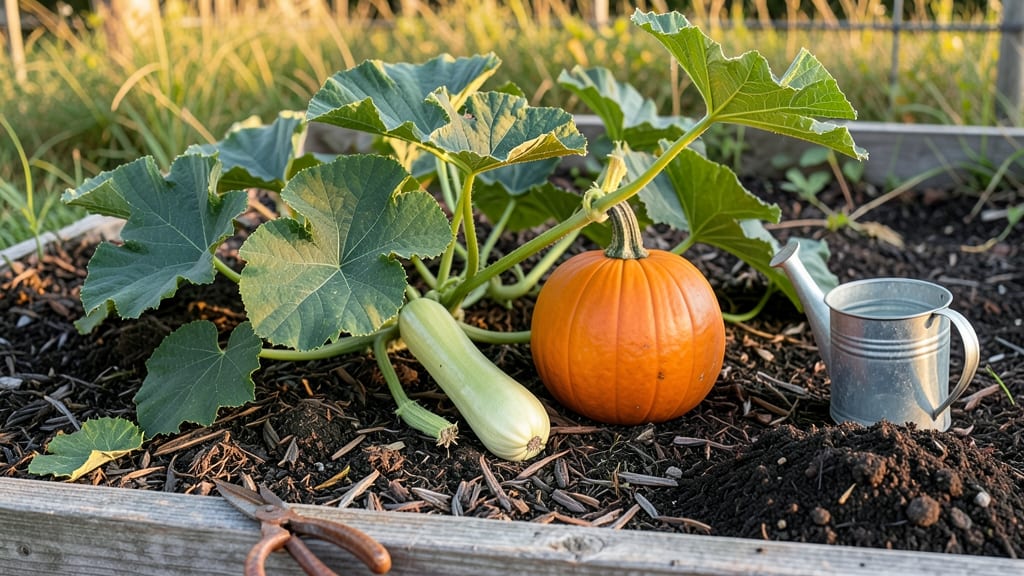
The difference between summer and winter squash is as clear as their skin—one’s for quick eating, the other for long-term storage. 🌱 I’ve spent years growing both, and the biggest giveaway is their skin: summer squash has... thin, tender rinds you can eat right off the vine, while winter squash sports thick, hard shells that last months in a cool pantry.
Summer squash like zucchini and yellow crookneck ripen in 30-50 days and need harvesting young before they turn woody. Winter squash, such as butternut or acorn, take 80-120 days to mature and develop that protective shell.
The size difference is another clue—summer squash stay small (6-12 inches long), while winter squash can grow to 20+ pounds and keep for months.
Harvesting summer squash is a daily ritual in peak season, while winter squash can wait until after frost for sweeter flavor. Store summer squash in the fridge for 3-5 days or use immediately, but winter squash thrives in a cool, dark spot for 2-3 months.
The care is similar—both need full sun and well-draining soil—but the timing and patience pay off differently.
Choose summer squash for quick meals and fresh eating, or winter squash for soups and storage. My garden always includes both: zucchini for summer stir-fries and butternut squash for winter baking. The key is knowing which one fits your timeline and cooking plans.
The first product explained
Meet your new kitchen superstar: Butternut Squash—the golden, nutty-flavored gem that bridges the gap between summer and winter squash with its versatility and ease of use! 🌟 This winter squash is a crowd-pleaser for both beginners and seasoned chefs, thanks to its sweet, caramel-like taste and creamy texture.
Here’s everything you need to know to fall in love with it.
📏 Specs & Features
Butternut squash is a winter squash, meaning it has a thick, tough skin and a dense, starchy flesh that stores well. Here’s what sets it apart:
- Shape & Size: Long, bulbous, and tapered like a pear or a football, typically weighing 2–4 pounds.
- Skin: Thick, tan-orange, and slightly ribbed—perfect for roasting whole!
- Flesh: Deep orange, sweet, and buttery with a texture that’s creamy when cooked.
- Seed Cavity: Contains flat, tan seeds (edible if roasted!).
- Storage: Lasts 2–3 months in a cool, dry place.
👩🍳 Target Users
Butternut squash is a versatile powerhouse loved by:
- Home cooks who crave easy, flavorful sides or mains.
- Health-conscious eaters seeking fiber, vitamin A, and antioxidants.
- Meal preppers—it’s great for soups, stews, and freezer-friendly dishes.
- Beginners because it’s forgiving to cook (no peeling required if roasted!).
💰 Price Point
Pricing varies by season and location, but you can generally expect to pay:
- $1–$3 per pound (cheaper in fall/winter).
- $3–$6 per whole squash (organic or specialty varieties may cost more).
Pro tip: 💡 Buy smaller squash for sweeter, more concentrated flavor!
The second product explained
Meet your new kitchen companion: Winter Squash! 🍠🌟 If you're looking for a versatile, nutrient-packed ingredient that elevates soups, roasts, and even desserts, winter squash is your go-to. Unlike its summer cousins, winter squash is all about hardness—its thick, tough skin and dense flesh make it perfect for long-term storage (hello, pantry staples!). Let’s break down why this seasonal superstar deserves a spot in your cart.
📏 Specs & Features
Winter squash comes in a dazzling array of shapes, sizes, and colors, but they all share a few key traits:
- Skin: Thick, inedible rind (unless specified otherwise, like with delicata squash). Colors range from deep orange (think butternut) to green (like acorn or spaghetti squash).
- Flesh: Dense, sweet, and often vibrant (orange, yellow, or white). Texture varies from creamy (butternut) to stringy (spaghetti squash).
- Seeds: Large, edible seeds (roast them for a crunchy snack!).
- Storage: Can last months in a cool, dark place—unlike summer squash, which wilts in days.
🎯 Who’s It For?
Winter squash is the ultimate crowd-pleaser for:
- 👨🍳 Home cooks who love hearty, flavorful dishes (try roasting butternut squash with sage or blending into curry).
- 💪 Health-conscious eaters—packed with vitamin A, fiber, and antioxidants (📊 1 cup of cooked butternut squash = 200% daily vitamin A!).
- 🌱 Meal preppers—its long shelf life makes it ideal for bulk cooking.
- 🎃 Fall/winter foodies craving warm, comforting flavors.
💰 Price Point
Winter squash is surprisingly affordable for its nutritional bang:
- Budget picks: Hubbard or kabocha squash (~$1–$3 per pound).
- Mid-range: Butternut or acorn squash (~$2–$4 per pound).
- Specialty varieties: Spaghetti or delicata squash (~$3–$5 per pound).
Pro tip: Buy whole (not pre-cut) to save money and reduce waste! 💡
🔍 How to Spot It
Winter squash always has:
- ✅ A hard, woody skin (press your fingernail—if it doesn’t dent, it’s winter squash!).
- ✅ A sturdy stem (unlike summer squash, which has a tender blossom end).
- ✅ Heavy weight for its size (water content = freshness!).
Head-to-head comparison
📊 Side-by-Side Comparison: Summer vs. Winter Squash
Now that you know the basics, let’s dive into a detailed, side-by-side comparison to help you spot the differences between summer and winter squash at a glance. Whether you're shopping at the farmers' market or browsing your grocery store’s produce section, these distinctions will make your selection a breeze!
🌱 1. Appearance & Skin Texture
One of the easiest ways to tell summer and winter squash apart is by looking at their skin. These two types have starkly different textures and appearances:
| Feature | Summer Squash | Winter Squash |
|---|---|---|
| Skin Texture | Thin, tender, and easily pierced with a fingernail. Often waxy or slightly bumpy. | Thick, hard, and tough—you’ll need a knife or fork to cut through it! |
| Color | Bright and vibrant—think green (zucchini), yellow (yellow squash), or even striped (like pattypan). | Earthy tones—orange (butternut, acorn), green (hubbard), or deep red (like carnival squash). |
| Shape | Small to medium-sized, often cylindrical or bulbous (e.g., zucchini, crookneck). | Large, varied shapes—round (like acorn), elongated (butternut), or lumpy (like spaghetti squash). |
Pro Tip: 💡 If the squash feels lightweight for its size, it’s likely a summer squash. Winter squash is denser and heavier due to its thick skin and seed cavity.
🍽️ 2. Seed & Flesh Structure
The inside of the squash also reveals key differences. Here’s what to look for:
| Feature | Summer Squash | Winter Squash |
|---|---|---|
| Seeds | Small, soft, and edible (often eaten along with the flesh). | Large, hard, and inedible—these are usually discarded or roasted separately. |
| Flesh Color | Light green, pale yellow, or white. | Deep orange (butternut), yellow (acorn), or green (hubbard). |
| Flesh Texture | Tender, moist, and delicate—cooks quickly (5-10 minutes). | Denser and firmer—requires longer cooking (20-45 minutes) to soften. |
Pro Tip: 🌡️ If you’re unsure whether a squash is ripe, give it a gentle squeeze. Summer squash should yield slightly, while winter squash should feel rock-hard.
💰 3. Price & Availability
Budget and seasonality play a role in which squash you’ll find—and how much you’ll pay for it:
| Feature | Summer Squash | Winter Squash |
|---|---|---|
| Season | Peak in summer and early fall (June–September). | Harvested in late summer to early winter (September–November) and stored for months. |
| Price Range | $0.50–$2.00 per pound (often cheaper due to abundance). | $0.75–$3.50 per pound (higher cost for heirloom or specialty varieties). |
| Storage Life | Short shelf life—best used within 3–5 days of purchase. | Long-lasting—can be stored for weeks to months in a cool, dry place. |
Pro Tip: ✨ If you’re stocking up for the winter, opt for winter squash like butternut or acorn—they’ll keep you cooking all season long!
🍲 4. Culinary Uses & Cooking Methods
How you prepare squash depends entirely on whether it’s summer or winter. Here’s how they shine in the kitchen:
| Use | Summer Squash | Winter Squash |
|---|---|---|
| Best For | Quick-cooking dishes like grilling, sautéing, or spiralizing (zoodles!). | Heartier meals like roasting, soups, or baking (think mashed butternut squash). |
| Prep Time | Minimal—peel if needed, slice, and cook fast. | More involved—peeling, seeding, and cutting through tough skin. |
| Flavor Profile | Mild, slightly sweet, and fresh. | Rich, nutty, and earthy (especially when roasted). |
| Dishes to Try |
|
|
Pro Tip: 🎯 Summer squash is your go-to for fast, fresh meals, while winter squash is perfect for comfort food and meal prep.
💪 5. Nutrition: Which One Wins?
Both summer and winter squash are packed with nutrients, but they offer slightly different benefits:
| Nutrient | Summer Squash (per 100g) | Winter Squash (per 100g) | |||||||||||||
|---|---|---|---|---|---|---|---|---|---|---|---|---|---|---|---|
| Calories | ~20–30 kcal | ~60–90 kcal (higher due to natural sugars and starches) | |||||||||||||
| Vitamin C | ~15–20% DV (great for immunity!) | ~30–50% DV (especially in butternut squash) | |||||||||||||
Vitamin A
Which one should you choose?So, which squash should you pick—summer or winter? The answer depends on your needs, whether you're a home cook, gardener, or health-conscious eater. Let’s break it down to help you make the best choice! 🍽️ For Cooking & FlavorIf you love versatile, quick-cooking squashes with a delicate texture, go for summer squash. They’re perfect for:
For hearty, slow-cooked dishes that hold up to roasting or baking, winter squash is your best bet. Try them in:
🌱 For Gardening & StorageNeed a low-maintenance, long-lasting harvest?
📊 For Nutrition & Dietary GoalsBoth are packed with nutrients, but here’s how they stack up:
Need a low-calorie option? Summer squash is your go-to. Craving vitamin A? Winter squash delivers! 🛒 Final Recommendation: Quick GuideStill unsure? Here’s a one-click decision guide:
No wrong answers here—just match your squash to your mood, meal, and goals! 😊 Whether you’re whipping up a zesty pasta or a cozy pumpkin curry, you’ve got the perfect pick now. |