
Picking
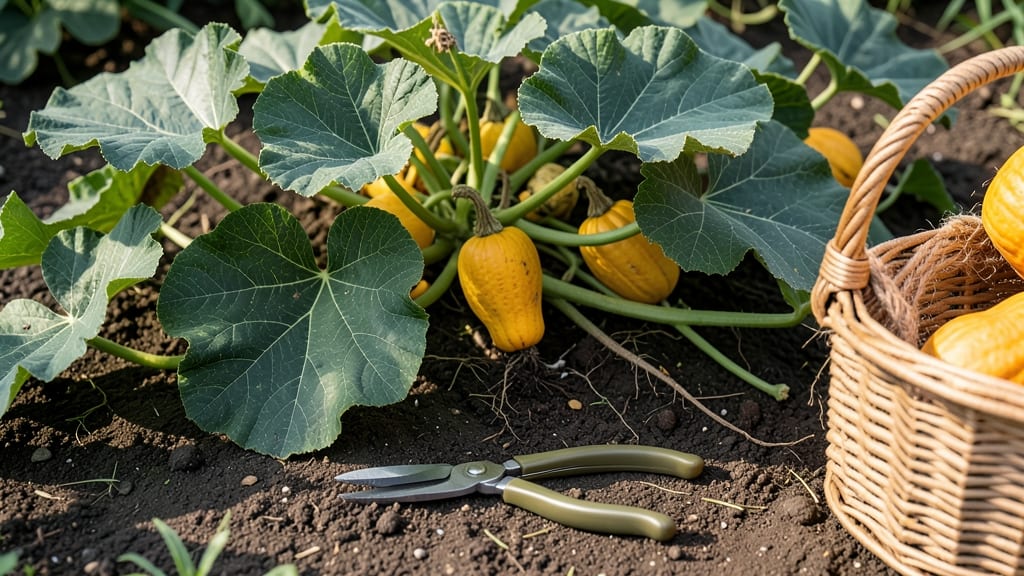
Keeping acorn squash fresh for months isn’t just possible—it’s a game-changer for gardeners who love their harvest. 🌱 I’ve learned that storing them right means you can enjoy that sweet, nutty flavor well past Thanksgiving, even when the garden’s gone quiet.
The secret lies in curing them properly before storage, and it only takes a little patience and the right conditions.
First, let’s talk curing—this step transforms a fresh squash into one that’ll last. You’ll need a dry, well-ventilated space with temperatures between 50-55°F and 60-80% humidity. A garage, basement, or even a sunny windowsill works if you control the conditions.
Once cured, store them in a cool, dark place like a pantry or root cellar, where they’ll keep for 2-3 months—or freeze them for up to a year if you’re planning ahead.
Watch for signs of spoilage like soft spots or mold, which mean it’s time to use them up. A properly stored acorn squash stays firm, heavy for its size, and free of wrinkles.
The best part? You’ll have homegrown squash to bake, roast, or puree long after the harvest season ends.
This method works for any variety of winter squash, and it’s especially rewarding when you’ve grown them yourself. No more rushing to use them up before they spoil—just a pantry full of flavor waiting for you whenever you’re ready.
📚 In This Guide
- What you need
- Instructions
- Tips and common mistakes
- Wrapping up and next steps
What you need
- ● 1-2 acorn squash(es) – Choose firm, unblemished squash with a dry stem.
- ● Cool, dark storage space – A pantry, cellar, or basement (ideal temp: 50–55°F).
- ● Paper towels or newspaper – A few sheets to absorb moisture.
- ● Plastic bag or breathable cloth – A perforated produce bag or a loosely woven cloth works best.
- ● Humidity-controlled storage box – For extra-long shelf life (like a produce keeper).
- ● Food-safe plastic wrap – If storing cut squash in the fridge.
- ● Small fan (for airflow) – If storing in a humid space.
Step-by-step instructions for storing acorn squash
Here's how I keep acorn squash fresh for months—no fancy tools, just smart storage tricks.
🪴 Step 1: Cure the Squash Before Storing
After harvesting, let your acorn squash cure in a warm, dry spot for 7-10 days. Place them stem-side up on a wire rack or wooden surface where air circulates freely—this prevents rot and thickens the skin. I keep mine in my garage at 75-80°F during the day and let them cool slightly at night.
Check daily for soft spots or mold. If you find any, remove the squash immediately—it won’t store well. The curing process is critical; uncured squash spoils within weeks. You’ll know it’s ready when the skin hardens and the stem dries completely.
☀️ Step 2: Choose the Right Storage Spot
Once cured, store acorn squash in a cool, dark place with 50-60% humidity—a basement, root cellar, or even a pantry works perfectly. Avoid refrigeration unless you plan to use them within a month, as cold temperatures break down the natural sugars faster.
I like to place mine on wooden shelves or in cardboard boxes with holes for airflow. Never stack them directly on concrete floors, which can cause moisture buildup and rot. A single layer with space between each squash keeps them fresh the longest.
⏰ Step 3: Check and Rotate Regularly
Every 2-3 weeks, inspect your stored squash for signs of spoilage—soft spots, mold, or musty smells. Remove any affected squash immediately to prevent the rest from rotting. I keep a small notepad nearby to track which ones I’ve checked last.
Rotate your squash every month by moving the ones at the back to the front. This ensures even air circulation and prevents any single squash from sitting too long in one spot. Proper rotation extends their shelf life by 2-3 months beyond what you’d expect.
💧 Step 4: Extend Life with Optional Waxing (Optional)
For extra protection, lightly coat the squash with food-grade mineral oil or beeswax using a soft cloth. This creates a thin barrier that slows moisture loss and keeps pests away. I do this only if I’m storing them for 4+ months, as the coating isn’t necessary for short-term storage.
Apply the wax sparingly—just enough to cover the surface without pooling. Avoid the stem area, as excess moisture can cause rot. After waxing, let them air-dry completely before storing to prevent condensation.
Tips & tricks for perfect acorn squash preservation
Here's what nobody tells you about making your acorn squash last longer than you ever thought possible.
Temperature Control: The 7-10 day curing period at 75-80°F is non-negotiable for long-term storage. I learned this the hard way after storing uncured squash that spoiled within weeks. If your garage doesn't stay that warm, consider using a small space heater or moving them to a sunny windowsill during the day. The goal is to create that thick, protective skin that keeps moisture out.
Airflow is Everything: In Step 2, don't be tempted to stack your cured squash—this creates pockets of trapped moisture that lead to rot. I've seen people store them in plastic bins, thinking it would help, but the condensation actually speeds up spoilage. Use those cardboard boxes with holes or wooden crates instead. You'll notice the difference in how long they stay fresh.
Visual Cues for Doneness: When checking your squash during the curing process, look for these signs: the skin should feel firm to the touch (not soft or squishy), and the stem should be completely dry and papery. Run your thumb along the skin—it should feel slightly rough, almost like sandpaper, not smooth. These visual cues tell you the curing is complete and storage is safe.
Optional Waxing Wisdom: If you choose to wax your squash for extra-long storage, I recommend using a 50/50 mix of food-grade mineral oil and beeswax. This combination creates a better barrier than either alone. Apply it with a soft cloth, focusing on the sides rather than the stem. The waxing step is completely optional, but if you're planning to store them for 4+ months, it's worth the extra 10 minutes of effort.
Pro Tips for Keep Acorn Squash
- Here's what nobody tells you about making your acorn squash last longer than you ever thought possible.
- Temperature Control: The 7-10 day curing period at 75-80°F is non-negotiable for long-term storage.
- Airflow is Everything: In Step 2, don't be tempted to stack your cured squash—this creates pockets of trapped moisture that lead to rot.
Frequently asked questions
Got questions about storing acorn squash? We’ve got answers!
Whether you’re prepping for a big meal or just trying to avoid waste, these FAQs cover everything from shelf life to troubleshooting. Let’s dive in!
How long does acorn squash last in the fridge?
Uncut acorn squash stays fresh for 2–3 weeks in the fridge (50–55°F) when stored in a cool, dark, and dry spot. Once cut, wrap tightly in plastic or store in an airtight container—it’ll last 3–5 days. For longer storage, freeze cooked or cubed squash for up to 6 months!
Can I freeze whole acorn squash?
Freezing whole acorn squash isn’t recommended—it won’t last well and may spoil. Instead, cut, peel, and seed it first, then freeze cooked or raw cubes in a single layer before transferring to a freezer bag. Label with the date for easy tracking!
What’s the best way to revive a soft or mushy acorn squash?
If your squash is soft but not moldy, it’s likely overripe. Cook it immediately—roast, puree, or blend into soups. For firm spots, trim away any bad areas and use the rest. If mold appears, discard it—acorn squash doesn’t recover well from spoilage.
Are there alternatives to refrigeration for short-term storage?
Yes! For 1–2 weeks, store whole squash in a cool, dark pantry (like a root cellar or basement). Avoid the fridge unless your kitchen is warm—temperature fluctuations speed up spoilage. A paper bag with holes can also help regulate humidity.
Why does my acorn squash smell bad even though it looks fine?
Trust your nose! A sour, fermented, or rotten smell means bacteria or mold is growing inside—even if the outside looks okay. Cut it open to check for slimy flesh or dark spots. When in doubt, toss it to avoid foodborne illness.
Still curious? Drop your question in the comments—we’re happy to help!
Wrapping up and next steps
Keeping your acorn squash fresh is easier than you think—just follow the right storage tricks! Whether you refrigerate, freeze, or pickle, these methods ensure your squash stays tasty and ready for your next meal.
With a little prep, you can enjoy its sweet, nutty flavor for weeks (or even months!) without waste.
Now that you’re a squash-storage pro, why not put those skills to use? 🌟 Try whipping up a cozy roasted acorn squash recipe or experiment with savory soups—your pantry (and taste buds) will thank you!