
Plants
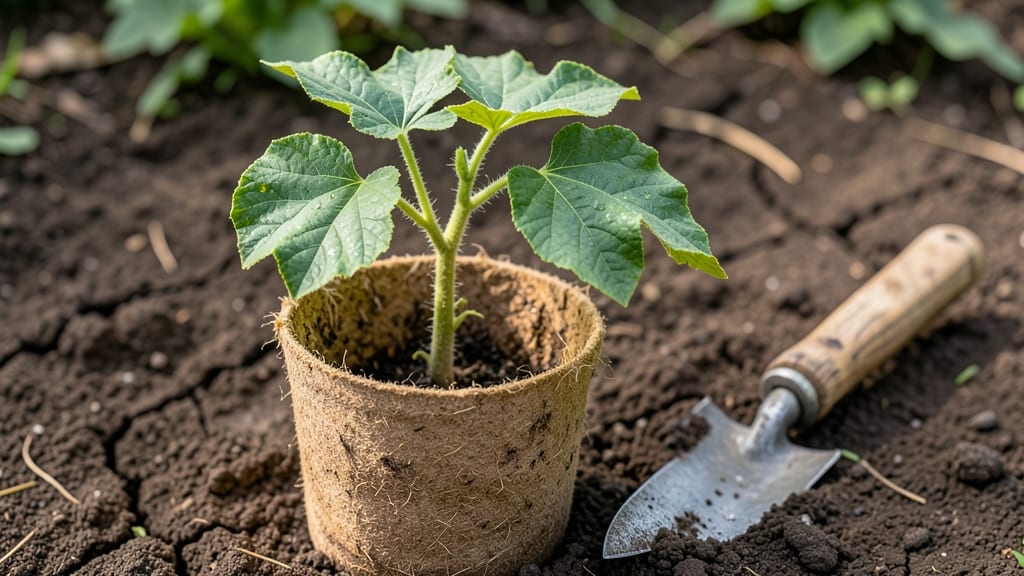
Summer squash seedlings start as tiny, round leaves with jagged edges that look like miniature maple leaves. 🌱 The first true leaves appear after the initial cotyledons (seed leaves) drop, and they’re a rich, deep green—almost too perfect to resist pinching.
If you’re comparing them to zucchini seedlings, summer squash leaves are slightly smaller and more delicate, with a finer texture that makes them stand out in a seedling tray.
The stems are slender and hairy, especially near the base, and they grow at a 45-degree angle rather than straight up like cucumbers. You’ll notice a subtle waxy coating on the leaves, which helps them retain moisture in hot weather.
This is your clue that these seedlings are built for summer’s intensity—unlike their more delicate cousins, which wilt at the first sign of heat.
By the time they’re 2-3 inches tall, summer squash seedlings will have 3-5 true leaves and a sturdy little stem that’s ready to support future vines.
The key to keeping them thriving at this stage is consistent moisture—never let the soil dry out completely, but avoid soggy conditions that invite rot. A south-facing window or grow light will give them the boost they need to grow into robust plants.
If you’re still unsure whether you’ve got summer squash or something else, check the leaf arrangement: summer squash leaves grow alternately along the stem, while cucumbers often have more rounded, lobed leaves.
Once you spot these details, you’ll never mistake them again—and you’ll be well on your way to a bountiful harvest of zucchini, yellow squash, or pattypan varieties.
📚 In This Guide
- What you need
- Instructions
- Tips and common mistakes
- Wrapping up and next steps
What you need
- ● Summer squash seeds: Choose heirloom or hybrid varieties like Yellow Crookneck or Zucchini (5–10 seeds per pot or 1 lb for direct sowing).
- ● Seed-starting containers: 3–4" deep pots with drainage holes (biodegradable peat pots or plastic cell trays work well).
- ● Seed-starting mix: Lightweight, sterile potting mix (avoid garden soil—it’s too dense!).
- ● Watering can or spray bottle: For gentle hydration (overwatering drowns seedlings!).
- ● Grow lights or sunny windowsill: 12–16 hours of light daily (south-facing window or LED grow lights).
- ○ Fertilizer (optional but helpful): A balanced, water-soluble fertilizer (5-10-5 ratio) or compost tea for nutrients.
- ○ Heat mat (optional for early starts): Keeps soil warm (70–90°F) to speed up germination.
- ● Gloves: Protects hands from soil and sharp seedling stems.
- ● Small hand trowel: For transplanting seedlings into larger pots or garden beds.
- ● Misting bottle: Keeps soil moist without disturbing seeds.
- ● Plant labels: Mark varieties to avoid mix-ups (especially if growing multiple types!).
- ● Pruning shears: For trimming leggy seedlings later.
How to identify summer squash seedlings: what to watch for
Here's how I spot summer squash seedlings early—before they outgrow their confusion with weeds.
🌱 Step 1: Look for the First True Leaves
Summer squash seedlings start with two small, round cotyledons—those are the first leaves that appear after germination. These look like tiny, smooth-edged leaves that sit flat against the stem. But don't mistake them for the real deal. The cotyledons are just the plant's first food source, and they won't look like mature squash leaves at all.
What you're really waiting for are the first true leaves, which emerge about 1-2 weeks after the cotyledons. These will have jagged, serrated edges and a more defined shape. Summer squash leaves are broad and lobed, kind of like a miniature version of the mature plant's foliage. If you see these, you've got squash seedlings—not weeds or volunteers from last year's crop.
🌿 Step 2: Check the Stem and Growth Pattern
Summer squash seedlings have a delicate, hairy stem that's a lighter green than the leaves. It's not thick or woody like a mature squash vine, but it's also not the spindly, weak stem of a weed. The stem grows upright at first, but as the plant matures, it will start to sprawl or vine outward. You'll notice small hairs along the stem, which is a dead giveaway for squash.
Watch for the way the leaves grow in a spiral pattern around the stem. This is called alternate leaf arrangement, and it's a classic sign of squash seedlings. If the leaves are growing directly opposite each other in pairs, you might be looking at a weed like lambsquarters or pigweed instead.
☀️ Step 3: Observe the Soil and Seedling Size
Summer squash seedlings emerge quickly, often within 5-10 days of planting, depending on soil temperature. They start small—just a few inches tall—but grow fast once they get going. The seedlings are delicate at first, with thin stems and small leaves, but they'll thicken up as they mature. If you see a seedling that's already 6 inches tall with broad leaves, it might be a volunteer from a previous season rather than a new seedling.
Pay attention to the soil around the seedlings. Summer squash plants have a shallow root system early on, so the soil near the base of the plant will stay moist but not soggy. If the soil looks dry or cracked, the seedling might be struggling. Also, look for any signs of pests like aphids or cucumber beetles, which love to munch on young squash plants.
✂️ Step 4: Compare to Common Weeds and Mistakes
One of the biggest mistakes I've seen is confusing summer squash seedlings with weeds like morning glory or purslane. Morning glory seedlings have pointed leaves and grow in a more vine-like pattern, while purslane has thick, fleshy stems and rounded leaves. Squash seedlings, on the other hand, have those distinctive serrated, lobed leaves and a more upright growth habit early on.
If you're still unsure, dig up the seedling and check the roots. Summer squash seedlings have a small, white taproot with fine lateral roots spreading out. Weeds often have more fibrous or tangled roots. This is a surefire way to tell if you've got squash or just a pesky volunteer.
🌱 Step 5: Thin Seedlings for Stronger Plants
Once you've confirmed your seedlings, it's time to thin them out. Summer squash plants need space to grow—about 2-3 feet apart for bush varieties and 3-4 feet apart for vining types. If you planted seeds too closely, you'll need to remove the weaker seedlings, leaving only the strongest ones. This might seem cruel, but it ensures the remaining plants have enough nutrients and space to thrive.
To thin, gently grasp the seedlings at the base and pull them out, being careful not to disturb the roots of the plants you're keeping. Water the remaining seedlings well after thinning to help them recover. You'll see a big difference in growth once they have room to spread out and access more sunlight.
Tips & tricks for identifying summer squash seedlings
Real talk: Those early days after planting can turn into a guessing game. Here's what nobody tells you about spotting summer squash seedlings before they disappear into the garden chaos.
Leaf Shape is Your Best Friend: The first true leaves—those jagged, serrated ones that appear about 1-2 weeks after the cotyledons—are your golden ticket. Think of them as miniature versions of mature squash leaves. If you're squinting at smooth-edged leaves, you're probably looking at weeds or volunteers. That serrated edge is non-negotiable for squash identification.
Stem Texture Gives It Away: Run your fingers along the stem—squash seedlings have a delicate, hairy texture that's lighter green than the leaves. It's not the thick, woody stem of mature plants, but it's definitely not the spindly weakness of weeds. That hairiness is a dead giveaway that separates squash from imposters like morning glory.
Root Check is the Ultimate Test: When in doubt, dig up the seedling and examine the roots. Summer squash seedlings have a small, white taproot with fine lateral roots spreading out. Weeds often have tangled, fibrous roots that look completely different. This might seem extreme, but it's the only foolproof way to confirm what you're dealing with.
Timing Matters More Than You Think: Those 5-10 days until emergence depend heavily on soil temperature. If your seedlings aren't appearing within this window, check if your soil is too cold. A simple soil thermometer can save you weeks of wondering. And remember—if you're seeing 6-inch-tall seedlings, you're probably dealing with volunteers from last year's crop rather than new plants.
Pro Tips for What Do Summer Squash Seedlings Look Like
- Real talk: Those early days after planting can turn into a guessing game.
- Leaf Shape is Your Best Friend: The first true leaves—those jagged, serrated ones that appear about 1-2 weeks after the cotyledons—are your golden ticket.
- Stem Texture Gives It Away: Run your fingers along the stem—squash seedlings have a delicate, hairy texture that's lighter green than the leaves.
Frequently asked questions
Got questions about summer squash seedlings? You’re not alone!
Whether you're a first-time gardener or a seasoned grower, spotting those tiny sprouts can feel like searching for a needle in a haystack. Here are the answers to the most common questions to help you identify and care for your seedlings with confidence.
How do I tell summer squash seedlings apart from weeds or other plants?
Summer squash seedlings have two cotyledons (seed leaves) that look like tiny, rounded shields. True leaves appear next—lobed, jagged, or serrated with a light green hue. Weeds often have smooth, elongated leaves or hairy stems. Pro tip: Check the soil—seedlings emerge close to the seed packet, while weeds sprout randomly.
When should I expect summer squash seedlings to appear after planting?
Germination takes 7–14 days in warm soil (60–90°F). If planted indoors, use a heat mat to speed it up. Patience is key! If no sprouts appear after 2 weeks, the seeds may need more moisture or warmth. Try replanting if needed—summer squash seeds are often viable for 5–7 years.
What do unhealthy summer squash seedlings look like, and how can I fix it?
Watch for yellowing leaves (overwatering or nutrient deficiency), stunted growth (cool soil), or blackened stems (damping-off fungus). Fix it fast:
- Adjust watering—keep soil moist but not soggy.
- Move seedlings to a sunnier spot (6+ hours of light daily).
- Spray with a baking soda solution (1 tsp per quart of water) for fungal issues.
Can I transplant summer squash seedlings too early, and what are the signs?
Yes! Transplanting too soon stresses seedlings, causing wilting, yellow leaves, or slow growth. Wait until seedlings have 3–4 true leaves and are at least 2–3 inches tall. Harden them off first: place outside for 3–5 hours daily over 5–7 days. Never transplant when soil is cold or wet.
What if my summer squash seedlings look like zucchini seedlings?
They’re hard to tell apart at first—both have lobed leaves and similar growth habits. But summer squash (like yellow crookneck or pattypan) tend to have smaller, more delicate leaves and grow more compactly. Zucchini seedlings often have broader, heart-shaped leaves. Check the seed packet or wait for flowers to confirm (summer squash blooms earlier than zucchini).
Wrapping up and next steps
Now that you know what to look for—those tiny, rounded leaves and delicate stems—you’re well on your way to nurturing healthy summer squash seedlings! 🌱 Recognizing their early stages helps you provide the right care, from proper spacing to consistent watering.
Once you’ve confirmed your seedlings are thriving, the next step is transplanting them outdoors (or keeping them in pots if you’re growing in containers). Just ensure they’ve got plenty of sunlight and well-draining soil, and you’ll soon be rewarded with a bountiful harvest!