
Size
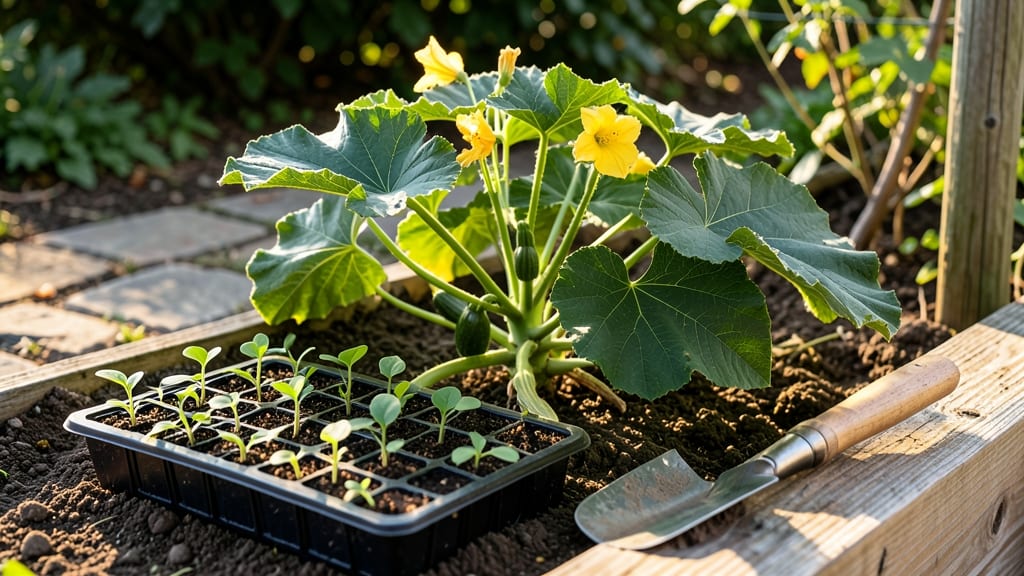
Growing squash plants means bigger harvests start with proper spacing—bush types need 3 feet between plants, while vining varieties stretch to 5 feet or more. 🌱 I learned this the hard way when my zucchini plants crowded each other, leading to powdery mildew and stunted growth.
The right spacing gives roots room to breathe and vines space to sprawl, which directly impacts fruit size and yield. Start with well-draining soil mixed with compost, and plant seeds 1 inch deep after the last frost when soil reaches 60°F.
Bush varieties like 'Eight Ball' squash thrive in compact areas, while vining types like 'Straightneck' need trellises or rows with 8-foot spacing between plants. Water at the base consistently—1-2 inches per week—and mulch to retain moisture and prevent weeds.
By mid-summer, you'll see vibrant yellow blooms followed by squash that grows from golf-ball size to full harvest in just 2-3 weeks. The key is patience: vining types take longer to mature but produce heavier yields when given space.
Watch for squash vine borers early in the season—they're sneaky pests that can ruin a plant overnight. For bush types, focus on compact growth and frequent harvesting to encourage more production. Vining varieties benefit from pruning side shoots to direct energy to the main vine.
Whether you're growing in rows or containers, proper spacing turns a chaotic jungle into a productive, manageable garden.
📚 In This Guide
- What you need
- Instructions
- Tips and common mistakes
- Wrapping up and next steps
What you need
- ● Squash Seeds: Choose between bush (compact, 2–3 ft spread) or vining (sprawling, 3–10 ft spread) varieties. Pro tip: Start with 3–5 seeds per plant for better germination rates!
- ● Well-Draining Soil: A mix of compost (50%), garden soil (30%), and perlite/sand (20%) works wonders. Aim for a pH of 6.0–7.0.
- ● Sunlight: A sunny spot with 6–8+ hours of direct sunlight daily—squash loves to soak up rays!
- ● Water: Consistent moisture (1–2 inches per week). Use a drip irrigation system or water early in the morning to avoid fungal issues.
- ● Fertilizer: A balanced 10-10-10 or organic compost (like worm castings) to boost growth. 💡 Apply at planting and again when flowers appear.
- ● Support (for vining types):strong> Trellis or sturdy fence (8–10 ft tall for sprawlers like butternut or spaghetti squash).
- ● Or, let vines sprawl—just allocate 3–5 ft of space per plant!
- ● Garden Trowel or Transplanter for seedling relocation.
- ● Mulch (straw or black plastic) to retain moisture and suppress weeds.
- ● Pruning Shears (for trimming excess vines or diseased leaves).
- ● Row Covers (if frost is a concern—squash hates cold!).
- ● Handheld Sprayer for organic pest control (neem oil or insecticidal soap).
- ● Gloves (to protect against squash vine borers or prickly stems!).
Step-by-Step instructions for growing squash plants
Here's how to cultivate healthy, productive squash—whether you're growing bush or vining varieties.
🌱 Step 1: Choose and Prepare Planting Sites
Squash thrives in warm soil with plenty of space to sprawl. For bush varieties, space plants 3-4 feet apart in rows 4-5 feet apart. Vining types need 5-6 feet between plants and 6-8 feet between rows to accommodate their aggressive growth. Choose a location with full sun (6-8 hours daily)—squash won't tolerate shade.
Work in a 3-inch layer of compost to enrich the soil before planting. Squash prefers well-draining soil with a pH between 6.0-7.0. If your soil is heavy clay, mix in 2-3 inches of sand or perlite to improve drainage. Avoid planting where cucumbers, melons, or other squash grew last year to prevent disease buildup.
🌱 Step 2: Start Seeds Indoors or Direct-Sow After Frost
Squash seeds germinate best in soil temperatures above 60°F. Start seeds indoors 2-3 weeks before your last frost date if your growing season is short, or direct-sow after all danger of frost has passed. Plant seeds 1 inch deep in hills of 3-4 seeds each, spaced 2-3 feet apart within the hill. This encourages strong root systems and supports the plant's heavy vines.
Water gently after planting to settle the soil around seeds. Keep the soil consistently moist but not soggy—squash seeds rot if overwatered. Once seedlings emerge, thin to the strongest plant per hill. Watch for first true leaves (the second set after the initial seed leaves) before thinning to avoid disturbing roots.
💧 Step 3: Provide Consistent Water and Support
Squash plants need 1-2 inches of water weekly, delivered at the base of the plant to prevent fungal diseases. Water deeply in the morning to allow foliage to dry before evening, reducing the risk of powdery mildew. Use drip irrigation or soaker hoses to keep leaves dry—watering overhead spreads disease.
For vining types, install trellises or cages early to support the weight of the vines and fruit. Bush varieties may not need support but benefit from a 3-foot-tall wire hoop to keep leaves off the ground. Mulch around plants with 2-3 inches of straw or grass clippings to retain moisture and suppress weeds, which compete for nutrients.
✂️ Step 4: Prune and Monitor for Pests/Diseases
Remove any yellow or diseased leaves immediately to prevent spread. Prune vines to encourage airflow—focus on removing suckers (side shoots) that form at leaf nodes. Leave only the strongest vine to produce fruit. For bush types, pinch off flowers if you're not ready to harvest soon—they'll produce more flowers (and fruit) later in the season.
Watch for squash bugs, cucumber beetles, and powdery mildew. Handpick squash bugs and drop them in soapy water. Use row covers early in the season to deter pests, and apply neem oil if mildew appears. Rotate varieties yearly to prevent soil-borne diseases from becoming established.
🍽️ Step 5: Harvest at Peak Ripeness
Harvest squash when the skin is hard and the stem separates easily from the fruit. Summer squash (like zucchini) should be 6-8 inches long and harvested every 2-3 days to encourage more production. Winter squash (like butternut or pumpkin) is ready when the stem is dry and the rind can't be pierced with a fingernail.
Cut fruit from the vine with pruning shears, leaving a 1-inch stem attached. Store summer squash in the fridge for up to 1 week, while winter squash keeps for 2-3 months in a cool, dry place. Don’t leave squash on the vine past maturity—overripe fruit saps energy from the plant and attracts pests.
Tips & tricks for perfect squash plant growth
These pro techniques will help you maximize yields and avoid common pitfalls when cultivating both bush and vining squash varieties.
Soil Preparation Secret: Test your soil pH before planting—squash thrives between 6.0-7.0, but most garden soils run closer to 6.5. If your test shows lower than 6.0, add lime (1-2 pounds per 100 square feet) and mix it into the top 6 inches of soil 2-3 weeks before planting. For heavy clay soils, incorporate the recommended 2-3 inches of sand or perlite at least a week ahead to allow it to settle properly. This prevents compaction that can strangle roots.
Planting Layout Strategy: For vining types, create a "squash alley" by planting in double rows spaced 6-8 feet apart, with plants 5-6 feet apart within each row. This creates a shaded walkway that reduces weed growth while maintaining airflow. Bush varieties can use a checkerboard pattern—plant hills in alternating rows to prevent disease spread between plants. Mark your layout with stakes before digging to ensure precise spacing from Step 1.
Watering Wisdom: The 1-2 inches weekly guideline works for established plants, but seedlings need less—about ½ inch per week until they develop their first true leaves. Use a rain gauge or tuna can to measure water depth accurately. Morning watering is critical: aim for 6-8 AM to allow foliage to dry completely before evening, which dramatically reduces powdery mildew risk. Consider installing a simple drip irrigation system near the base of plants to deliver water precisely where it's needed.
Harvest Timing Hack: For summer squash, harvest when the fruit reaches 6-8 inches but before seeds become visible inside. Use a sharp knife to cut the stem cleanly, leaving the 1-inch stem attached—this prevents rot and extends storage life. For winter varieties, wait until the stem dries completely and the rind can't be pierced with your thumbnail. A simple nail test works better than guessing: press gently—if it doesn't puncture, it's ready. This prevents overripe fruit that attracts pests and saps plant energy.
Pro Tips for Grow Squash Plants
- These pro techniques will help you maximize yields and avoid common pitfalls when cultivating both bush and vining squash varieties.
- Soil Preparation Secret: Test your soil pH before planting—squash thrives between 6.0-7.0, but most garden soils run closer to 6.5.
- Planting Layout Strategy: For vining types, create a "squash alley" by planting in double rows spaced 6-8 feet apart, with plants 5-6 feet apart within each row.
Frequently asked questions
Got questions about growing squash? You’re not alone! Here are answers to the most common concerns—from spacing to pests and everything in between.
How close can I plant squash vines together?
Squash vines need space to sprawl! For bush varieties, plant seeds 3–4 feet apart in all directions. Vining types (like zucchini or spaghetti squash) need 4–6 feet apart in rows, with rows 5–6 feet apart to prevent crowding and disease. Overcrowding leads to poor airflow, inviting fungal issues.
When is the best time to harvest squash?
Harvest summer squash (like zucchini) when they’re 6–8 inches long and firm—waiting too long makes them tough. Winter squash (like butternut or acorn) ripen when their skins harden and they sound hollow when tapped. Use a sharp knife to avoid bruising, and harvest in the morning for peak freshness.
What’s eating my squash plants, and how do I stop it?
Common culprits include squash bugs, cucumber beetles, and deer. Handpick pests early, or use neem oil or row covers for organic protection. For deer, try repellent sprays or fencing. Rotate crops yearly to disrupt pest life cycles—don’t plant squash in the same spot two years in a row!
Can I grow squash in containers?
Bush varieties thrive in 5-gallon containers with well-draining soil. Vining types need larger pots (10+ gallons) and trellises to save space. Use a balanced fertilizer (like 10-10-10) and water consistently—containers dry out faster. Just ensure pots have drainage holes to avoid root rot.
How do I save squash seeds for next year?
Let a few squash fully mature on the vine until overripe (soft and mushy). Scoop out the seeds, rinse them in water, and ferment the pulp for 2–3 days to remove bitterness. Dry seeds on a paper towel in a warm, dark place for 1–2 weeks, then store in a cool, dry spot. Label varieties—seeds lose viability after 3–5 years!
Wrapping up and next steps
Growing squash—whether bush or vining types—is a rewarding journey that starts with proper spacing and a little patience. 🌱 By choosing the right variety, preparing your soil, and giving your plants the room they need, you’ll soon be harvesting delicious, homegrown squash in no time.
Now that you’re armed with these vine-spacing secrets, it’s time to roll up your sleeves and get planting!
🚀 Your Next Step:
Ready to dive in? Start by sketching a simple garden layout based on your squash type, then mark your planting spots. Soon, you’ll be enjoying fresh, homegrown squash straight from your garden—no store-bought produce needed!