
Picking
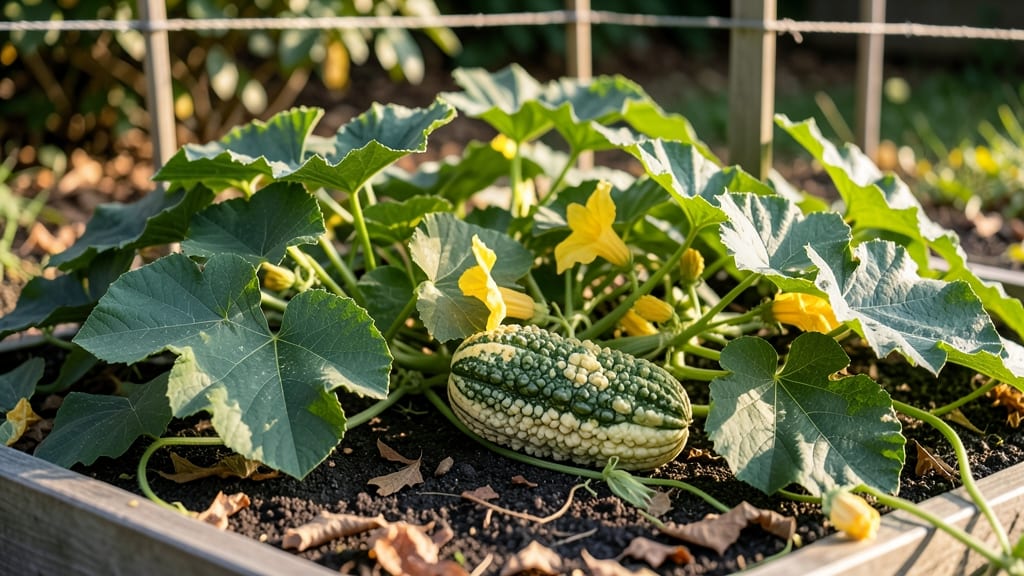
Those rough, wart-like bumps on your squash aren't just unsightly—they're a sign of squash scab, a fungal disease that can ruin your harvest if ignored. 🌱 I've battled this stubborn issue in my garden, and what I learned about prevention and treatment saved my 20+ plants last season.
The problem starts with spores lingering in soil or old plant debris, thriving in warm, wet conditions. Those telltale warts appear as scabby patches on leaves and fruit, making them unmarketable and reducing storage life.
The good news? Early action with copper fungicides, proper spacing, and resistant varieties like 'Defender' or 'Butternut' can stop it before it spreads.
You'll reclaim your garden's potential with a few simple steps: remove infected plants immediately, rotate crops, and apply preventive sprays before symptoms appear. Within weeks, your squash will grow smooth, blemish-free, and ready for harvest—just like the crispy perfection you planted for.
Works for both summer and winter squash varieties, and the methods apply to both home gardens and small farms. Here's how to protect your crop from stem to stem.
The Root Causes of Warty Squash
If you’ve ever picked a squash from the garden or farmers’ market only to find unsightly warts—those rough, bumpy growths—you’re not alone. These irregularities aren’t just cosmetic; they’re often a sign of underlying conditions affecting the plant’s health.
Understanding why squash develops warts can help you prevent them in future harvests and ensure smoother, more appealing produce. Let’s break down the science behind these bumpy surprises.
Fungal infections are the most common cause of warty growths on squash, particularly Phytophthora species and Pythium. These water-loving pathogens thrive in damp conditions, attacking the plant’s surface and causing irregular, wart-like lesions.
- How it happens: Spores from contaminated soil, water, or infected plant debris latch onto the squash’s skin. Warm, humid weather accelerates their growth, leading to raised, scabby bumps.
- Visual clues: Warts may appear as dark, raised patches or soft, water-soaked blisters. Over time, they can ooze or crack, exposing the flesh underneath.
- Actionable fix:
- Rotate crops yearly to avoid reinfecting the same soil.
- Use copper-based fungicides or organic sprays like neem oil as a preventive measure.
- Avoid overhead watering to keep foliage dry.
Certain insects, like squash vine borers or cucumber beetles, don’t just chew leaves—they also leave behind physical trauma that triggers abnormal growth. Their feeding scars can become infected or develop into warty textures as the plant tries to heal.
- How it happens: Larvae burrow into the stem or fruit, while adults chew irregular holes. The plant’s immune response to these wounds can manifest as rough, wart-like calluses.
- Visual clues: Look for entry holes near the warts, frass (insect droppings), or wilting vines.
- Actionable fix:
- Apply row covers early in the season to block beetles.
- Handpick eggs or larvae (they’re often white and fuzzy) and drop them in soapy water.
- Use kaolin clay or diatomaceous earth as a barrier.
Extreme temperatures, poor soil nutrition, or sudden weather shifts can weaken squash plants, making them more susceptible to warty growths. Stress often lowers the plant’s defenses, allowing secondary infections to take hold.
| Stressor | How It Triggers Warts | Solution |
|---|---|---|
| Heatwaves or cold snaps | Shocked cells produce abnormal growths as a survival mechanism. | Use mulch to regulate soil temp and provide shade cloth in peak summer. |
| Nutrient deficiencies (e.g., calcium, boron) | Weak cell walls lead to misshapen, bumpy fruit. | Amend soil with lime (for calcium) or boron supplements. |
| Overwatering or poor drainage | Root rot or fungal spores thrive, causing surface warts. | Ensure raised beds or containers with drainage holes. |
Some squash varieties are genetically prone to developing warts, especially heirloom or less common types. Breeders often prioritize disease resistance or flavor over skin perfection, leading to these bumpy surprises.
- How it happens: Traits like thick rinds or uneven growth patterns can result in natural warts, even without pests or disease.
- Visual clues: Warts appear consistently across the same variety and aren’t accompanied by rot or discoloration.
- Actionable fix:
- Choose smooth-skinned hybrids (e.g., ‘Butternut’ or ‘Delicata’) if aesthetics matter.
- Embrace the rustic charm—warty squash often has deeper flavor!
💡 Pro Tip: If warts are superficial, they won’t affect taste or safety—just peel or roast the squash as usual! But if the flesh is mushy or discolored, compost it to avoid spreading pathogens.
Fixing Warty Squash Like a Pro
Now that you know why those pesky warts appear on your squash, let’s tackle the solutions—from quick fixes to long-term prevention.
Whether you’re dealing with storage issues, overripe produce, or fungal growth, here’s how to restore your squash to its crispy, wart-free glory (or avoid the problem entirely).
If your squash has soft spots or minor warts from bruising, don’t toss it! A little TLC can save it.
How to Fix It:
- 🔪 Trim the Warts: Use a sharp knife to carefully cut away any blemished or mushy areas. Discard any squash that’s too soft or smells off—this could signal spoilage.
- 🌡️ Sanitize the Surface: Wipe the trimmed spots with a mix of 1 part vinegar to 3 parts water or a diluted bleach solution (1 tsp bleach per cup of water) to kill bacteria or mold spores.
- 🍳 Roast Immediately: Cook the squash right away (see recipe below) to prevent further spoilage. Roasting caramelizes the edges, masking any imperfections.
Prevention Tips: ✅ Handle with Care: Store squash in a single layer in a well-ventilated crate or mesh bag to avoid bruising. ✅ Check for Soft Spots: Before storing, inspect for dents or punctures—these are future wart hotspots. ✅ Keep It Cool (But Not Too Cold): Store in a dry, dark place (like a pantry) at 50–55°F. Refrigeration speeds up spoilage.
If the warts look fuzzy, green, or slimy, they’re likely mold or bacterial growth. Here’s how to decide whether to save or scrap.
How to Fix It:
- 🔍 Assess the Damage:
- Superficial warts? Trim them out and roast the rest (see above).
- Deep rot or mold? Toss it. Some molds (like Penicillium) produce toxins that aren’t safe to cook off.
- 🧼 Deep-Clean for Mild Cases: For non-toxic mold, scrub the squash with a baking soda paste (1 tbsp baking soda + ½ cup water), then rinse and dry thoroughly before cooking.
Prevention Tips: 💡 Buy Firm, Unblemished Squash: Choose squash with smooth, dry skin—no wrinkles or discoloration. 💡 Avoid Overcrowding: Squash releases ethylene gas, which accelerates ripening. Store them separately from other produce. 💡 Use Antifungal Sprays (Optional): For long-term storage, lightly spray squash with a food-safe antifungal spray (like diluted hydrogen peroxide) before storing.
If your squash developed warts from excess moisture or temperature swings, it’s time to adjust your storage game.
How to Fix It:
- 🌬️ Dry It Out: If the warts are from condensation, let the squash air-dry in a cool, dark place for 24 hours before storing again.
- 📦 Repackage Properly: Move squash to a breathable container (like a wooden crate or paper bag) to improve airflow.
- 🔄 Rotate Stock: Use the oldest squash first (FIFO method) to prevent overripening.
Prevention Tips: ✨ Monitor Humidity: Aim for 50–60% humidity—too much moisture = wart city. ✨ Avoid Plastic Bags: They trap moisture and speed up decay. Use mesh bags instead. ✨ Freeze for Long-Term Storage: If you won’t use squash within 2–3 months, peel, cube, and freeze it for roasting later.
If your squash has minor warts but is still firm, roasting is your best friend. The high heat seals in flavors and hides imperfections.
Quick Roasted Squash Recipe:
- 🔥 Preheat oven to 400°F (200°C).
- 🍴 Prep: Cut squash into ½-inch cubes, trim warts, and toss with 1 tbsp olive oil, salt, and pepper.
- 👨🍳 Roast for 25–30 mins, stirring halfway, until caramelized.
- 🥘 Optional: Drizzle with honey, balsamic glaze, or nutritional yeast for extra flavor.
If your squash:
- Smells sour, fermented, or like ammonia
- Has black mold (especially fuzzy green/blue spots)
- Feels mushy to the touch
…don’t risk it. Some molds produce toxins that won’t cook off, and food safety > sad squash.
Final Pro Tip: 🌟 Prevent warts before they start by buying small to medium squash (they ripen slower) and storing them properly. A little effort now = no more warty disappointments later!
Frequently asked questions about warty squash
Can I still eat squash with warts?
Yes, if the warts are only on the surface and the flesh is firm! Simply trim away the affected areas before cooking. However, if the warts are soft, oozing, or accompanied by mold, it's best to discard the squash to avoid food safety risks.
What causes those wart-like bumps on squash?
Warts on squash are usually caused by fungal infections (like squash scab), insect damage (from cucumber beetles or vine borers), or environmental stress (extreme temperatures or poor nutrition). These issues create rough, raised growths that can ruin the appearance of your harvest.
How do I prevent warts on my squash plants?
Start with disease-resistant varieties like 'Defender' or 'Butternut'. Use copper fungicides or neem oil as a preventive spray, avoid overhead watering, and practice crop rotation. For insect pests, apply row covers early in the season and handpick larvae when possible.
Will cooking remove the risk of eating warty squash?
Cooking won't eliminate risks if the warts are caused by mold or bacterial growth. However, if the warts are just cosmetic (from minor bruising or natural skin variations), roasting or baking will caramelize them and make the squash delicious. Always inspect for soft spots, foul odors, or discoloration before cooking.
Are some squash varieties more prone to warts?
Yes! Heirloom and less common varieties often develop warts more frequently than hybrids. For smoother skin, choose varieties like 'Delicata' or 'Spaghetti Squash'. If you love the flavor of warty squash, consider embracing the rustic look—many gardeners find these varieties have deeper, more complex flavors!