
Vegetables
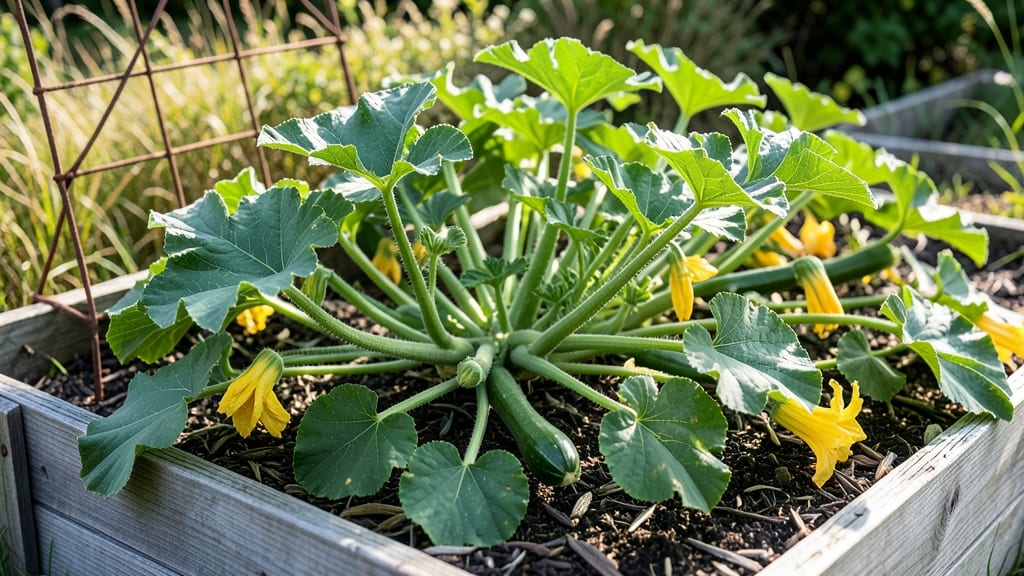
Here are these squash leaves pictures—your visual guide to spotting the telltale signs of thriving plants or creeping pests before they ruin your harvest. fast. A vibrant squash leaf should be deep green, sturdy, and free of holes or spots.
Butternut squash leaves have jagged edges, while zucchini leaves are broader and smoother. The moment you see yellowing, chewed edges, or white powder, you’ll know exactly what’s wrong—and how to fix it.
This visual guide shows you what to look for, from powdery mildew’s fuzzy coating to squash vine borer’s telltale wilting. You’ll learn to spot issues before they spread, saving your plants (and your patience). Once you master these visual cues, you’ll harvest bigger, healthier squash all season. Let’s get started!
Why it happens
Squash plants are resilient, but their leaves often send visual distress signals long before fruit or root health declines. Recognizing these cues early can mean the difference between a thriving harvest and a lost crop.
Below, we break down the most common causes of squash leaf issues—from environmental stressors to pests—and explain the science behind their appearance.
Squash leaves wilt, yellow, or develop crispy edges when exposed to extreme temperatures or inconsistent moisture. Why it happens: - Heat Stress: Squash thrives in 70–85°F (21–29°C). Above 90°F (32°C), leaves lose turgor pressure due to rapid transpiration, causing drooping or scorching.
High temperatures also disrupt chlorophyll production, leading to bleached or white patches (a condition called chlorosis). - Water Stress: Both overwatering (root rot) and underwatering (drought) trigger stress.
Overwatering suffocates roots by reducing oxygen uptake, while underwatering causes leaf curl as the plant conserves moisture. Symptoms: - Wilting (even when soil is moist = root rot) - Yellowing between veins (iron deficiency from poor nutrient uptake) - Brown, crispy edges (osmotic stress)
Actionable Fix: Mulch to retain moisture, water deeply 1–2 inches per week, and avoid overhead irrigation during peak sun.
Squash leaves often develop spots, mold, or discoloration due to pathogens thriving in humid conditions. Key culprits: - Powdery Mildew (Podosphaera xanthii): Appears as white, powdery patches on upper leaves.
It blocks sunlight, reducing photosynthesis and causing yellowing. - Why? Fungal spores spread in humidity >75% and poor airflow. - Downy Mildew (Pseudoperonospora cubensis): Causes yellow spots on top leaves and purple fuzz underneath.
It clogs stomata, preventing gas exchange. - Why? Thrives in cool, wet conditions (60–75°F / 15–24°C). - Bacterial Leaf Spot (Xanthomonas campestris): Creates water-soaked, brown spots with yellow halos.
Bacteria enter through wounds or rain splashes. - Why? Spreads via contaminated tools, wind, or splashing water.
Actionable Fix: Space plants for airflow, remove infected leaves immediately, and apply copper fungicide or baking soda spray (1 tsp baking soda + 1 quart water + a drop of soap).
Pests like aphids, squash bugs, and spider mites drain plant sap, causing stunted growth, curled leaves, or sticky residue (honeydew). How they trigger symptoms:
- Aphids & Whiteflies: Inject toxic saliva while feeding, causing yellowing, curled leaves, and black sooty mold (from honeydew).
- Squash Bugs: Piercing-sucking mouthparts disrupt vascular tissue, leading to scorched, wilted leaves and silver streaks.
- Spider Mites: Dry, stippled leaves (tiny white/yellow dots) occur as they feed on chlorophyll-rich cells.
Actionable Fix: Blast pests off with water, introduce ladybugs or lacewings, or use neem oil (1 tbsp per gallon of water).
Squash leaves may yellow, purple, or develop necrotic spots due to imbalanced soil nutrients. Common deficiencies: | Symptom | Likely Cause | | |---------------------------|--------------------------------|------------------------------------------------------------------------------------| | Yellow leaves (veins stay green) | Iron deficiency (chlorosis) | Poor soil pH (<6.0) or calcium/manganese blocking iron uptake.
Common in alkaline soils. | | Purple stems/leaves | Phosphorus deficiency | Needed for energy transfer; stress (drought, cold) worsens it. | | Brown leaf edges | Potassium deficiency | Prevents osmotic regulation; leaves burn easily in heat. | | Yellowing + stunted growth | Nitrogen deficiency | Leaves lose green color as chlorophyll production halts. | | Blistered, cupped leaves | Calcium deficiency | Cell wall weakness causes tip burn or blossom end rot in fruit. |
Actionable Fix: Test soil pH (aim for 6.0–6.8), add compost or balanced fertilizer (10-10-10), and avoid over-fertilizing (toxicities cause similar symptoms).
Sudden wind, hail, or physical damage can shock squash leaves into abnormal growth or discoloration.
- Wind Burn: Leaves develop brown, papery edges as cuticular damage increases water loss.
- Hail Damage: Tattered or bruised leaves disrupt photosynthesis, leading to yellowing or stunted growth.
- Herbicide Drift: Bleached, distorted leaves occur when glyphosate or 2,4-D inhibit cell division.
Actionable Fix: Use windbreaks, row covers, and avoid chemical sprays near squash.
Some leaf abnormalities are inherent or growth-related:
- Mosaic Viruses (e.g., Zucchini Yellow Mosaic Virus): Causes yellow-green mottling as viruses hijack plant DNA to replicate.
- Overcrowding: Leaves yellow or grow small due to competition for sunlight/nutrients.
- Transplant Shock: Wilting or stunted growth occurs when roots struggle to adapt to new soil.
Actionable Fix: Rotate crops annually, remove infected plants, and thin seedlings for spacing (18–36 inches apart).
Pro Tip: 💡 Keep a garden journal! Note symptoms, weather, and treatments to spot patterns—e.g., "leaves yellow after rain = downy mildew risk."
Revive Your Squash Plants
When your squash leaves start showing signs of distress—whether it’s yellowing, wilting, or spotted—acting quickly can save your harvest. Below are practical solutions tailored to common issues, along with prevention tips to keep your plants thriving.
Symptoms: Yellowing leaves, mushy stems, or leaves that feel soggy to the touch.
How to Fix It: 🔥 Stop watering immediately until the top 1–2 inches of soil are dry. 👨🍳 Check your pots or garden bed—if water pools at the bottom, improve drainage by:
- Adding perforations to containers.
- Mixing sand or perlite into heavy soil.
- Planting in raised beds if your yard retains too much moisture.
🥘 Repot (if needed)—if roots are rotting, trim away damaged sections and replant in fresh, well-draining soil. ⏰ Wait 3–5 days before watering again, then use the "finger test" (insert your finger 1 inch deep—if dry, water lightly).
Prevention Tips: ✨ Water deeply but infrequently—squash prefers 1–1.5 inches per week, delivered at the base (not overhead). 💡 Use mulch (straw or shredded leaves) to regulate soil moisture and reduce evaporation. 🌡️ Avoid soggy soil—squash hates "wet feet." If your garden floods easily, opt for drought-tolerant varieties like ‘Early Prolific Straightneck.’
Symptoms: Dark spots, powdery white residue, or leaves with greasy-looking patches.
How to Fix It: 🔥 Remove infected leaves immediately—don’t compost them; trash or burn to prevent spread. 🍳 Apply a fungicide—use copper-based sprays (for bacterial issues) or neem oil (for powdery mildew). Follow label instructions for frequency. 👨🍳 Improve airflow—prune nearby plants to reduce humidity around squash leaves. 🥘 Water in the morning—wet foliage at night encourages fungal growth. ⏰ Rotate crops next season—avoid planting squash in the same spot for 3+ years.
Prevention Tips: 🎯 Space plants 3–4 feet apart to prevent overcrowding. 💡 Choose resistant varieties—look for labels like "powdery mildew-resistant." 🌡️ Avoid overhead watering—use a soaker hose or drip irrigation instead.
Symptoms: Holes, chewed edges, or sticky residue (aphids) on leaves.
How to Fix It: 🔥 Handpick large pests (like squash bugs or cucumber beetles) and drop them in soapy water. 🍳 Spray with insecticidal soap—mix 1 tbsp mild soap + 1 quart water, spray undersides of leaves where pests hide. 👨🍳 Use row covers for young plants to block beetles and squash vine borers. 🥘 Introduce beneficial insects—ladybugs and lacewings eat aphids naturally. ⏰ Check traps—place yellow sticky traps near plants to monitor pest activity.
Prevention Tips: ✨ Rotate planting times—delay succession plantings to break pest cycles. 💡 Plant companion crops—nasturtiums repel cucumber beetles, while marigolds deter squash bugs. 🌡️ Clean up debris in fall—destroy old vines to remove overwintering pests.
Symptoms: Pale yellow leaves (nitrogen), purple stems (phosphorus), or weak growth (potassium).
How to Fix It: 🔥 Test your soil—use a DIY kit or send a sample to a local extension office for a full analysis. 🍳 Add organic amendments based on needs:
- Yellow leaves? Mix in compost or fish emulsion (high in nitrogen).
- Purple stems? Use bone meal (phosphorus boost).
- Weak stems? Apply wood ash (potassium source) or banana peels (soak in water for 24 hours, then use as tea).
👨🍳 Fertilize lightly—squash is light feeder; overdoing it causes leafy growth at the expense of fruit. 🥘 Side-dress plants—sprinkle fertilizer 2–3 inches from the stem and water in.
Prevention Tips: 🎯 Start with balanced soil—amend before planting with aged compost or worm castings. 💡 Avoid synthetic fertilizers—they can burn roots; opt for slow-release organics. 🌡️ Monitor growth—if leaves grow faster than fruit, reduce nitrogen slightly.
Pro Tip: 🔥 When in doubt, prune! Removing 10–20% of the healthiest leaves can redirect energy to fruit production—just don’t overdo it.
Frequently asked questions about squash leaves
How can I tell the difference between healthy squash leaves and those with powdery mildew?
Healthy squash leaves are deep green and smooth, while powdery mildew appears as a white, powdery coating on the upper leaf surface. The mildew starts as small white spots that spread, often appearing first on older leaves. Unlike healthy leaves, infected ones may also yellow or curl over time.
What do squash vine borer holes look like on leaves?
Squash vine borer damage appears as small, irregular holes along leaf edges or larger, chewed areas near the stem. The real giveaway is the frass (sawdust-like droppings) around the holes. Check the stem base too—you may find brown sawdust or wilting vines where larvae are feeding.
Why are my squash leaves turning yellow between the veins?
This classic iron deficiency (chlorosis) often occurs when soil pH is too high (>7.0) or when calcium blocks iron uptake. The yellowing between veins (while veins stay green) is a key sign. Test your soil and amend with chelated iron or compost to restore balance.
Can I eat squash leaves if they have holes from pests?
Most squash leaves (like zucchini or butternut) are edible, but avoid leaves with large holes or pest droppings—they may harbor bacteria. Young, tender leaves can be used in stir-fries or pestos, but always wash thoroughly. Never consume leaves treated with chemical pesticides.
How do I know if my squash plant has aphids versus spider mites?
Aphids leave sticky honeydew residue and appear as small green/black clusters on leaf undersides, while spider mites create fine webbing and cause stippled yellowing (tiny white/yellow dots). Check leaf undersides with a magnifying glass—aphids are easier to spot with the naked eye.