
Leaf Blower
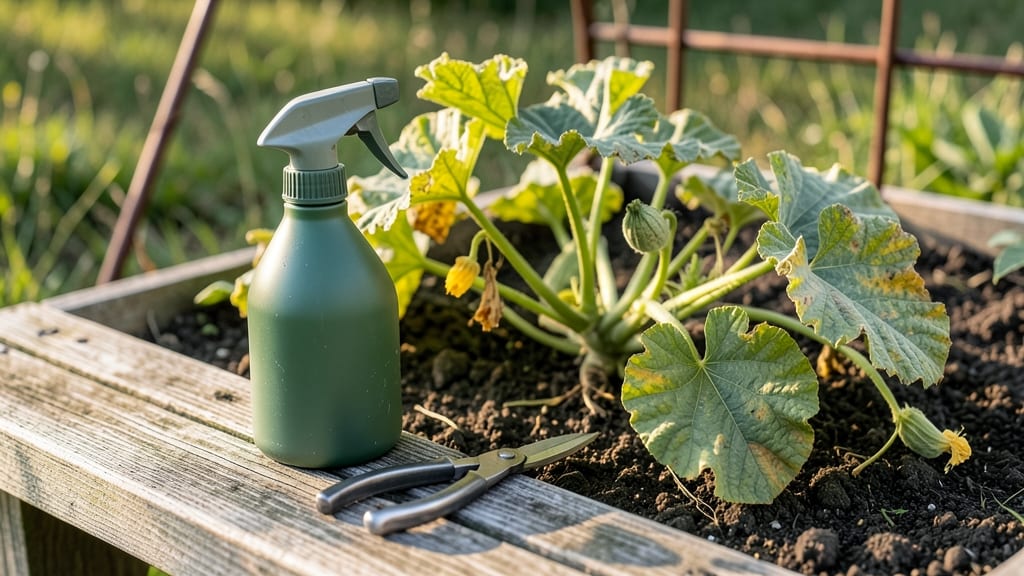
That crinkled, yellowed mess on your zucchini leaves isn’t just ugly—it’s squash leaf curl virus, and while treatment is tricky, early action can still save your harvest. 🌿 The good news?
You can still save your plants with the right organic spray protocol, but you’ve got to act within 48 hours of noticing symptoms. I’ve battled this exact problem in my garden, and these steps work when store-bought chemicals don’t.
First, confirm it’s leaf curl by checking for curled leaves, stunted growth, and a web of tiny white insects (aphids) at the leaf joints—they’re the virus’s delivery system.
Once you’ve identified the problem, the organic spray protocol combines neem oil, insecticidal soap, and a homemade baking soda solution to starve the virus and suffocate the aphids. The key is consistency: spray every 3-5 days for at least two weeks, even if the leaves look better.
What you’ll end up with is a garden that recovers faster than you’d expect—new growth emerges within 7-10 days if the roots are still healthy. The plants won’t produce as heavily, but they’ll survive to give you a second harvest.
Plus, your soil stays free of harsh chemicals, which means next year’s plants start strong.
Prevention is the real game-changer: remove all infected plants by late fall, rotate crops, and use reflective mulch to deter aphids. This isn’t just about fixing the problem—it’s about stopping it before it starts. Let’s get your garden back on track.
Root Causes of Squash Leaf Curl
Understanding why your squash plants fall victim to leaf curl virus is the first step toward prevention and recovery. This insidious pathogen doesn’t just appear out of nowhere—it thrives due to a mix of environmental, biological, and agricultural factors.
Below, we break down the key triggers behind its spread, so you can take targeted action to protect your garden.
The squash leaf curl virus (SLCV) is primarily spread by whiteflies, tiny sap-sucking insects that feed on plant juices. When these pests move from infected to healthy plants, they transmit the virus through their saliva during feeding.
Here’s how it works: - Mechanical transmission: Whiteflies inject viral particles into plant tissues while feeding, disrupting normal cell function and causing curling, yellowing, and stunted growth. - Exponential spread: A single whitefly can lay hundreds of eggs, leading to rapid infestations.
Once established, the virus can persist in weeds and alternative host plants (like basil or okra) for years. - Seasonal peaks: Whiteflies thrive in warm, dry conditions (75–90°F), making summer gardens prime breeding grounds. Even a small population can devastate a crop in weeks.
Actionable insight: 🔍 Monitor undersides of leaves for whitefly eggs (tiny, oval, yellowish) or adults (tiny, white, moth-like). Use yellow sticky traps to catch them early.
Stressed plants are far more susceptible to viral infections. When squash plants face environmental or cultural stress, their defenses weaken, making them easy targets for SLCV. Common stressors include: - Overcrowding: Poor air circulation traps humidity, encouraging fungal diseases and whitefly activity.
Plants competing for nutrients become nutritionally deficient, lowering resistance. - Nutrient imbalances: A lack of potassium, phosphorus, or nitrogen weakens cell walls, while excess nitrogen promotes lush but fragile growth—both scenarios make plants vulnerable. - Water stress: Underwatering causes osmotic stress, while overwatering leads to root rot and poor nutrient uptake.
Both scenarios impair the plant’s ability to fight off pathogens. - Physical damage: Pruning, hail, or pest bites create entry points for viruses. Even minor wounds can allow whiteflies to inject the virus more easily.
Actionable insight: 🌿 Space plants 3–4 feet apart, mulch to retain moisture, and conduct a soil test to address deficiencies. Avoid excessive pruning during peak whitefly season.
Viruses can linger in soil, garden tools, and even seedbeds, waiting for the right opportunity to infect new plants. Here’s how contamination spreads: - Reused tools: Pruners, knives, or even gloved hands can transfer viral particles from infected plants to healthy ones.
The virus is not killed by heat or most disinfectants, making proper sanitation critical. - Infected plant debris: Leaving behind virus-infected leaves or vines in the soil allows the pathogen to survive over winter, reinfecting next year’s crops. - Seed transmission: While rare, some strains of SLCV can be seed-borne, meaning contaminated seeds may introduce the virus to a garden.
Actionable insight: 🧼 Disinfect tools with 70% rubbing alcohol or a 10% bleach solution between uses. Remove and destroy (do not compost) all infected plant material. Rotate crops annually to break the virus cycle.
Certain climates and growing practices accelerate the spread of squash leaf curl virus: - Hot, dry summers: Ideal for whitefly reproduction.
Drought-stressed plants also produce thicker, more attractive sap, drawing in more pests. - Greenhouse growing: Controlled environments with high humidity and warm temperatures create perfect conditions for whiteflies to thrive year-round. - Urban gardens: Proximity to weedy areas or neighboring farms increases exposure risk, as whiteflies can travel on wind currents or through human activity (e.g., contaminated clothing or tools).
Actionable insight: 🌡️ If you’re in a high-risk zone, avoid planting squash near basil, okra, or other cucurbits (their shared pests increase cross-contamination). Use fine mesh row covers to block whiteflies during early growth stages.
Failing to rotate crops allows soil-borne viruses and their vectors to build up over time.
Squash leaf curl virus can persist in: - Weed hosts: Plants like morning glory or pigweed act as reservoirs, harboring the virus and whiteflies between growing seasons. - Perennial hosts: Some wild cucurbits (e.g., bitter melon) can carry the virus indefinitely. - Infected compost: Compost made from virus-infected plant material may not heat up enough to kill the virus, reintroducing it to the garden.
Actionable insight: 🌱 Implement a 3–4 year rotation between squash and non-host families (e.g., legumes, brassicas). Remove all plant debris and solarize soil in late summer to kill residual viruses.
Many gardeners confuse squash leaf curl symptoms with nutrient deficiencies, fungal infections, or environmental stress. By the time they realize it’s a viral issue, the damage is often irreversible.
Key missteps include: - Ignoring whiteflies: Focusing only on leaf symptoms while ignoring the real culprit (the pests) delays treatment. - Using ineffective sprays: Fungicides won’t work against a virus, and many broad-spectrum insecticides kill natural predators (like ladybugs), worsening whitefly outbreaks. - Planting susceptible varieties: Some squash types (e.g., zucchini) are more prone to SLCV than others (e.g., butternut squash).
Choosing the wrong variety sets you up for failure.
Actionable insight: 🔬 Confirm the diagnosis by checking for whiteflies and viral symptoms (curls, stunting, yellowing). If caught early, removing infected plants and trapping whiteflies can save the rest of the crop.
How to Treat & Reverse Damage
Now that you understand the root causes behind squash leaf curl virus (SLCV), it’s time to take action. While there’s no cure for this viral infection, you can slow its spread, strengthen your plants, and restore their health using organic, practical methods.
Below are targeted solutions mapped to the most common causes—plus prevention tips to keep your garden safe long-term.
1. 🔥 Remove & Destroy Infected Plants
Problem: Viruses spread via aphids, contaminated tools, and plant sap. Fix:
- 🔪 Snip off infected leaves (wear gloves!) and bag them in a sealed plastic bag.
- 🗑️ Dispose of the entire plant (don’t compost!) to prevent reinfection.
- 🧼 Sterilize pruners with 70% isopropyl alcohol or a 10% bleach solution (1 part bleach to 9 parts water).
Pro Tip: 💡 Check neighboring plants—SLCV spreads fast! Isolate healthy squash for 2 weeks to monitor.
2. 🛡️ Block Aphid Spread with Natural Repellents
Problem: Aphids transmit the virus while feeding. Fix: - 💦 Spray with neem oil (1 tbsp neem oil + 1 tsp mild soap + 1 quart water).
Reapply every 5–7 days. - 🌿 Introduce beneficial insects: Ladybugs, lacewings, and parasitic wasps devour aphids naturally. - 🌞 Use reflective mulch (aluminum foil or silver plastic) to confuse aphids with light reflections.
Pro Tip: 🌡️ Water plants at the base (not overhead) to avoid wetting leaves—aphids love damp foliage!
3. 💪 Boost Plant Immunity with Organic Nutrients
Problem: Weak plants are more susceptible to viruses. Fix:
- 🍄 Feed with compost tea (rich in beneficial microbes) weekly to strengthen roots.
- 🥬 Apply seaweed extract (1 tbsp per gallon of water) every 2 weeks for disease resistance.
- 🌿 Use fish emulsion (diluted to 1 tbsp per gallon) for phosphorus & nitrogen—key for recovery.
Pro Tip: ✨ Avoid synthetic fertilizers—they weaken plants over time. Stick to organic amendments!
4. 🧼 Sterilize Soil & Garden Tools
Problem: Viruses can linger in soil and on tools. Fix:
- 🔥 Solarize soil: Cover infected beds with clear plastic for 4–6 weeks in hot sun to kill pathogens.
- 🧴 Treat tools: Wipe down shovels, pruners, and pots with rubbing alcohol or hydrogen peroxide (3%).
- 🌱 Rotate crops: Don’t plant squash, cucumbers, or melons in the same spot for 3+ years to break the virus cycle.
Pro Tip: 🎯 Use raised beds with fresh, sterilized soil if your garden is repeatedly infected.
5. 🌿 Prevent Future Outbreaks with Barrier Methods
Problem: Windborne viruses and pests keep coming back. Fix:
- 🛡️ Install floating row covers (fine mesh) over young plants to block aphids & whiteflies.
- 🌳 Plant trap crops: Grow nasturtiums or marigolds nearby—aphids prefer them over squash!
- 🌧️ Improve drainage: Waterlogged soil weakens plants.
Amend with perlite or coconut coir** if needed.
Pro Tip: 🔥 Prune regularly to improve airflow—less humidity = fewer pests & diseases.
| Cause | Prevention Step | When to Do It |
|---|---|---|
| Aphid infestations | Spray neem oil monthly | Spring to fall |
| Contaminated tools | Sterilize after every use | Before & after pruning |
| Poor soil health | Add compost + mycorrhizal fungi | Before planting season |
| Windborne viruses | Use row covers for young plants | Early spring to late summer |
| Weak plants | Feed with seaweed extract every 2 weeks | Active growing season |
Final Note: While you can’t eliminate SLCV once it’s in your garden, these organic, proactive steps will minimize damage, protect healthy plants, and rebuild soil resilience. Stay vigilant, and your squash (and sanity!) will thank you.
(Need a step-by-step spray recipe? Check out our DIY Organic Neem Oil Mix Guide in the next section!)
Frequently asked questions
Can I save a squash plant already showing leaf curl symptoms?
If you catch it within 48 hours of noticing curled leaves, you may still save the plant by immediately removing infected foliage and applying an organic spray mix (neem oil + insecticidal soap). However, once the virus spreads systemically, the plant will never fully recover—it’s best to remove it to prevent further contamination. Focus on protecting nearby healthy plants instead.
Why does neem oil work better than chemical sprays for this virus?
Neem oil doesn’t just kill aphids—it also disrupts their life cycle and repels new infestations. Unlike chemical pesticides that harm beneficial insects and leave residue, neem strengthens plant immunity while suffocating soft-bodied pests. Plus, it’s safe to use up to harvest day, unlike many synthetic insecticides with 21-day waiting periods.
How long should I keep using preventive sprays after treating infected plants?
Continue spraying every 3-5 days for at least 4 weeks after removing infected plants, then switch to monthly applications during the growing season. Aphids can re-infest quickly, especially in warm weather. Yellow sticky traps should also stay in place for 6-8 weeks post-outbreak to monitor for returning pests.
Will crop rotation really prevent squash leaf curl virus next year?
Rotating squash with non-host plants (like beans or tomatoes) breaks the virus cycle by removing its food source. Pair this with solarizing soil in late summer to kill any lingering pathogens. For maximum protection, avoid planting cucurbits in the same location for 3-4 years—this is your best defense against persistent viral infections.