
Pests
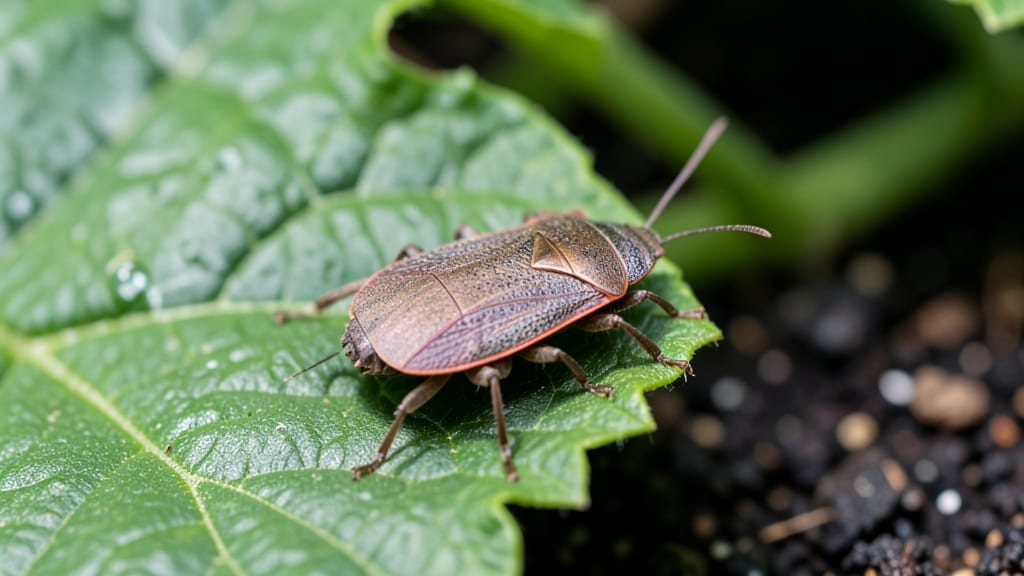
Squash bugs are the sneaky villains of summer gardens—those shield-shaped green invaders that leave your zucchini and pumpkins looking like Swiss cheese. 🌿 I’ve lost entire harvests to them before I learned to spot their telltale signs: oval, flat bodies about half an inch long, with a mottled green or grayish color that blends into foliage.
Their wings fold flat like tiny armor, and their legs are almost invisible unless they’re scuttling across leaves.
Here’s the trick: squash bugs hide under leaves during the day and emerge at dusk to feed. Look for clusters of yellowish eggs laid in rows on the undersides of leaves—those hatch into nymphs that look like tiny, wingless adults.
Stink bugs (their lookalikes) are more rounded and have striped antennae, while squash bugs have a smoother, more uniform shape. Confusion leads to missed treatments, and that’s how gardens get ruined.
Why this matters? Early identification means you can squash them (literally) before they multiply. A single adult lays 100+ eggs, and those nymphs will skeletonize your plants in weeks.
The good news? They’re slow movers—perfect for crushing between your fingers or collecting in soapy water. Once you recognize their sneaky patterns, you’ll catch them before they wreck your harvest.
Pro tip: Check leaf axils and stems first—those are their favorite hiding spots. And if you see black, foul-smelling droppings on your plants, that’s another dead giveaway. The sooner you spot them, the sooner you can protect your squash, cucumbers, and melons.
Trust me, your future self will thank you when you’re feasting on bug-free produce instead of wilting leaves.
The Hidden Triggers Behind Them
Squash bugs aren’t just random pests—they’re drawn to your garden by specific conditions that make your plants their perfect buffet. Understanding these triggers is the first step to outsmarting them before they cause real damage. Let’s break down the key reasons these shield-shaped invaders show up in your yard.
Squash bugs thrive where plants are weak. When your squash, pumpkins, or cucumbers grow too close together, they become stressed from competition for sunlight, water, and nutrients. This stress makes them easier targets for squash bugs, which are drawn to:
- Thin, wilted leaves – Bugs detect the scent of struggling plants and lay eggs on them.
- Damaged vines – Broken stems release chemical signals that attract more pests.
- Slow growth – Healthy plants grow faster, outpacing bug infestations.
Actionable fix: Space plants 12–24 inches apart (depending on the variety) and prune crowded foliage to improve airflow. Pro tip: 💡 Use reflective mulch (like aluminum foil) around plants—it confuses bugs and reduces egg-laying spots.
Squash bugs love hiding in dark, damp areas where they can overwinter or lay eggs undetected. Common hiding spots include:
- Leaf litter and dead vines – Perfect for egg-laying and shelter.
- Weeds and grass clumps – Provide cover near your garden.
- Wooden mulch or compost piles – Retains moisture and warmth, ideal for bug survival.
- Low-lying garden beds – Areas that stay damp longer after rain.
Actionable fix: Keep your garden clean and dry:
- Remove old plant debris before winter and compost it away from your garden.
- Use gravel or straw mulch instead of wood chips to reduce moisture retention.
- Water plants at the base (not overhead) to discourage damp hiding spots.
Squash bugs have a memory—or rather, their eggs do. If you’ve grown squash, pumpkins, or cucumbers in the same spot year after year, the soil may already be infested with dormant eggs. These eggs can survive for years in the ground, waiting for the right conditions to hatch.
Even worse? Squash bugs are part of the Coreidae family, which also includes tarnished plant bugs—both target the same crops. Planting the same plants repeatedly gives them a permanent foothold.
Actionable fix: Follow a 3-year rotation:
- Year 1: Plant squash/pumpkins in Bed A.
- Year 2: Plant unrelated crops (like beans, tomatoes, or herbs) in Bed A.
- Year 3: Avoid planting cucurbits in Bed A; use it for grasses, brassicas, or rest.
Pro tip: ✨ If you must replant cucurbits early, solarize the soil in late summer by covering it with clear plastic for 4–6 weeks to kill overwintering eggs.
Squash bugs are cold-hardy but prefer warm, humid conditions. Their life cycle accelerates in:
- Hot, muggy summers – Eggs hatch faster, and nymphs mature in 4–6 weeks.
- Mild winters – Adults survive longer, increasing next year’s population.
- Regions with high humidity – Bugs thrive in 60–80% humidity.
Actionable fix: Monitor weather patterns and act early:
- In spring, inspect plants weekly for egg clusters (tiny brown ovals on undersides of leaves).
- Use row covers in early summer to block adult bugs from laying eggs.
- In fall, till the soil deeply (6+ inches) to disrupt egg survival.
Pro tip: 🌡️ If your area has hot, dry spells, squash bugs may seek out irrigated gardens—so water consistently to avoid attracting them.
By addressing these triggers, you’re not just reacting to squash bugs—you’re removing the invitation. The key is proactive garden maintenance, not just treating symptoms after the fact. 🚀
How to Eliminate Squash Bugs
Squash bugs are stubborn pests, but with the right approach, you can reclaim your garden. Below are targeted solutions based on the root causes—whether it’s an infestation, damage, or prevention—and how to tackle them effectively.
Squash bugs reproduce rapidly, so early intervention is key. Adults and eggs are the most vulnerable stages.
- 🍳 Handpick Adults
- Wear gloves and crush adults between your fingers or drop them into soapy water. Check under leaves, along stems, and in leaf litter.
- Pro Tip: Do this in the early morning when they’re sluggish and easier to spot.
- 👨🍳 Scrape Off Eggs
- Eggs are laid in clusters on the undersides of leaves and look like tiny, shiny, football-shaped masses.
- Use a plastic card or spoon to scrape them off and dispose of them in soapy water.
If handpicking isn’t enough, combine organic and chemical methods for better results.
| Method | How to Apply | Best For |
|---|---|---|
| Neem Oil Spray | Mix 1 tbsp neem oil + 1 tsp dish soap in 1 quart of water. Spray evenly on leaves and stems. Repeat every 5-7 days. | Early infestations, organic gardens |
| Insecticidal Soap | Spray directly on bugs (avoid flowers). Reapply after rain. | Small to medium infestations |
| Pyrethrin Spray | Apply in the evening when bees are less active. Follow label instructions. | Severe infestations (chemical option) |
| Diatomaceous Earth | Dust lightly on soil around plants (avoid direct contact with leaves). | Prevention, light infestations |
⚠️ Warning: Always test sprays on a small plant area first to avoid damage.
Nymphs (baby squash bugs) are harder to kill but can be managed with traps and barriers.
- 🌡️ Yellow Sticky Traps
- Place yellow cards or sticky traps near plants to catch nymphs as they crawl.
- Check and replace traps weekly for best results.
- 🎯 Row Covers (Early Prevention)
- Use floating row covers over young squash plants to block adults from laying eggs.
- Remove covers when flowers appear to allow pollination.
Prevention is the best long-term strategy to stop squash bugs from returning.
- 💡 Crop Rotation
- Avoid planting squash, pumpkins, or cucumbers in the same spot for at least 3 years.
- Squash bugs overwinter in soil and plant debris, so rotation breaks their cycle.
- 🌿 Fall Cleanup
- After harvest, remove all plant debris and till the soil to destroy overwintering adults and eggs.
- Compost only disease-free plant matter—never leave squash vines in the garden.
- 🎯 Plant Repellent Companions
- Interplant squash with nasturtiums, radishes, or marigolds—these repel squash bugs naturally.
Squash bugs return every season, so consistent monitoring keeps them under control.
- 🔍 Weekly Inspections
- Check plants every 3-4 days, especially after rain (bugs are more active).
- Look for holes in leaves, black droppings, or wilted vines—early signs of trouble.
- 📅 Early Season Barriers
- If you’ve had squash bugs before, cover young plants with row fabric until they’re established.
By combining manual removal, natural sprays, and smart garden habits, you can keep squash bugs from taking over—and enjoy a thriving harvest! 🌱🚫🐞
Frequently asked questions
What’s the easiest way to tell squash bugs apart from stink bugs?
Look at their shape and antennae! Squash bugs have a flat, shield-like body with smooth edges, while stink bugs are more rounded with striped antennae. Also, squash bugs are half an inch long and have a mottled green or gray color, while stink bugs are often more brown or black with a shiny shell.
Where do squash bugs hide during the day?
They’re masters of camouflage! Check under leaves, along stems, and in leaf axils (where leaves meet the stem). They also love hiding in leaf litter, mulch, and even under boards or rocks near your garden. Look for clusters of yellowish eggs in these spots—they’re laid in rows!
Can I use soapy water to kill squash bugs?
Yes! Mix 1 tablespoon of dish soap with 1 quart of water and spray directly on the bugs. The soap breaks down their protective outer layer. For stubborn infestations, repeat every 3-5 days—just avoid spraying flowers to protect pollinators.
How do I know if my plants have squash bug eggs?
Look for tiny, football-shaped clusters (about 1/16 inch long) on the undersides of leaves. They’re usually yellowish-brown and shiny. If you see these, scrape them off with a plastic card and drop them in soapy water immediately—they hatch in just 7-10 days!
Will squash bugs attack other vegetables besides squash?
They love the Cucurbit family—squash, pumpkins, cucumbers, and melons—but they’ll also munch on beans, peas, and even tomatoes if those are their only options. The key is to rotate crops and keep your garden clean to starve them out.