
Pests and Diseases
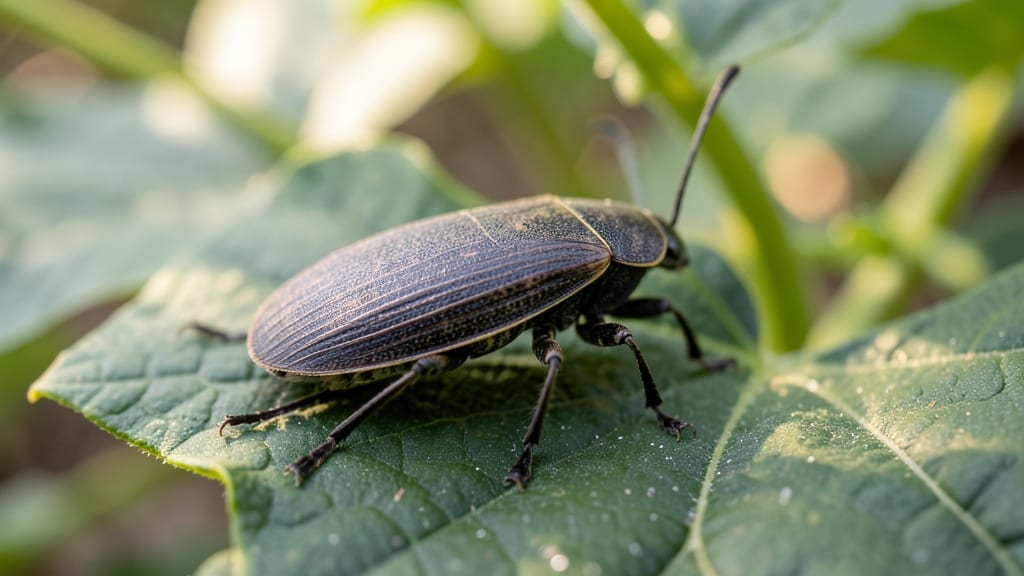
Learn how to stop squash bugs before they turn your summer harvest into a battle zone—here’s how to smother them naturally and save your vines. 🌱 The key is catching them early, using barriers and traps that work with nature, not against it.
These pests thrive in warm, dry conditions, hiding under leaves during the day and feeding at night. You’ll spot them first as tiny eggs clustered on leaf undersides—if you don’t squish them by week 3, you’re in for a fight.
My breakthrough came when I combined row covers, reflective mulch, and handpicking with a simple soapy spray.
Within a week of implementing these barriers, my squash plants bounced back with vibrant green leaves and no new damage. The bugs got confused by the mulch’s shine, trapped under covers, and their numbers plummeted. No more wilting vines or slimy eggs—just healthy plants ready for harvest.
Works for zucchini, pumpkins, and summer squash alike, even in small gardens. The best part? These methods protect pollinators while keeping your plants thriving. Let’s get those bugs under control before they ruin your season.
Root Causes of Squash Bugs
Understanding why squash bugs invade your garden is the first step to stopping them. These pests don’t just appear out of nowhere—they’re drawn by specific conditions that make your plants a perfect buffet. Here’s why they show up and how to recognize the triggers:
Squash bugs (Anasa tristis) thrive in warm, humid environments, particularly in regions with hot summers and moderate rainfall. Here’s why:
- Temperature Preferences: Squash bugs are cold-sensitive and become active when soil and air temperatures rise above 60°F (15°C).
If your garden stays warm for extended periods, they’ll linger longer, laying more eggs. - Humidity Boosts Survival: High humidity helps squash bug eggs hatch faster and reduces desiccation (drying out) in adults.
If your garden retains moisture—whether from irrigation, rain, or dense foliage—you’re essentially rolling out the welcome mat. - Regional Hotspots: Areas like the Southeastern and Mid-Atlantic U.S. see heavier infestations because the climate aligns perfectly with their lifecycle.
Even in cooler zones, greenhouses or mulched beds can mimic these ideal conditions.
💡 Pro Tip: Monitor your local weather patterns. If your area experiences unusually warm springs, squash bugs may emerge earlier than usual, giving them a head start on your crops.
Squash bugs target weak plants—whether they’re overcrowded, nutrient-deficient, or struggling from disease. Here’s the science behind it:
- Chemical Signals: Damaged or stressed plants release volatile organic compounds (VOCs), which act like a dinner bell for squash bugs.
These pests can detect these chemical cues from up to 30 feet away. - Thick Foliage = Hiding Spots: Plants with dense leaves or vines (like zucchini, pumpkins, or cucumbers) provide perfect shelter for squash bugs to lay eggs and ambush prey.
Overcrowded gardens make it harder to spot them early. - Nutrient Deficiencies: Plants low in nitrogen or potassium are more susceptible. Squash bugs prefer sap-rich plants, and stressed plants often have higher sugar concentrations in their sap—a tasty treat for these pests.
✨ Actionable Insight: Rotate crops annually and prune plants for airflow. This reduces stress signals and makes it easier to spot eggs and nymphs before they become a full-blown infestation.
Female squash bugs are strategic egg layers, choosing locations that maximize survival rates for their offspring. Here’s where—and why—they deposit eggs:
| Egg Location | Why They Choose It | How to Spot It |
|---|---|---|
| Underside of Leaves | Protected from wind, rain, and predators; retains moisture longer. | Look for flat, oval, tan-colored clusters (20–30 eggs per mass). |
| Stems & Petioles | Eggs stay close to the plant’s vascular system, ensuring nymphs have immediate access to sap. | Check leaf stems and where leaves meet the vine. |
| Crowded Growth Zones | Less airflow = higher humidity, which speeds up hatching. | Inspect areas with overlapping leaves or vines. |
🔥 Red Flag: If you see yellowing leaves or wilting vines, it could mean squash bugs have already hatched and are feeding aggressively. Act fast—nymphs are harder to control than adults.
In a balanced ecosystem, squash bugs face natural enemies that keep their populations in check. But when these predators disappear, the bugs explode in numbers. Common culprits include:
- Disrupted Habitats: Overuse of broad-spectrum pesticides kills beneficial insects like:
- Big-eyed bugs (Geocoris spp.) – voracious squash bug predators.
- Spined soldier bugs (Podisus maculiventris) – eat eggs and nymphs.
- Parasitic wasps (Telenomus spp.) – lay eggs inside squash bug eggs, killing them.
- Monoculture Gardening: Planting only squash-family crops (cucurbits) in one area removes diversity, which reduces predator populations that rely on a varied diet.
- Urban or Treeless Areas: Without native plants or ground cover, predators lose shelter and food sources, making your garden a squash bug free-for-all.
🌿 Solution: Introduce pollinator-friendly plants (like dill, fennel, or marigolds) to attract predators. Even a small wildflower border can make a difference.
🎯 Key Takeaway: Squash bugs don’t invade randomly—they’re responding to environmental cues, plant stress, and ecological imbalances. By addressing these root causes, you can disrupt their lifecycle before they become a major problem. The next step? Preventing their arrival with smart gardening strategies.
Natural Fixes for Squash Bug Control
Now that you understand why squash bugs invade your garden, it’s time to tackle them with effective, eco-friendly solutions that protect your plants without harming the environment.
Below, we’ve mapped out practical fixes for each common cause of infestation, along with prevention tips to keep these pests at bay for good.
Squash bugs thrive in dense, stressed plants where they can hide and feed undetected. Thinning out vines and improving plant health disrupts their lifecycle.
How to Fix It:
- 🔪 Prune aggressively: Remove yellowing or damaged leaves where bugs lay eggs. Focus on the undersides of leaves—a hotspot for egg clusters.
- 🌱 Space plants properly: Give squash, pumpkins, and cucumbers 3–4 feet of clearance between plants to improve airflow and reduce hiding spots.
- 💡 Boost plant resilience: Use compost or balanced fertilizer (like 10-10-10) to strengthen stems. Healthy plants recover faster from damage.
Prevention Tip: 🌡️ Mulch with straw or grass clippings—this deters squash bugs while retaining soil moisture.
Squash bugs lay tiny, tan eggs in clusters on stems and leaf undersides. If you catch them early, manual removal can save your plants.
How to Fix It:
- 👨🍳 Inspect weekly: Check plants every 3–4 days (especially in spring/early summer). Eggs hatch in 7–10 days.
- 🧼 Scrape eggs off: Use a plastic spoon or fingernail to gently remove clusters. Drop them into soapy water to kill them instantly.
- 🕷️ Encourage predators: Ladybugs, lacewings, and parasitic wasps eat squash bug eggs. Plant dill, fennel, or marigolds nearby to attract them.
Prevention Tip: ✨ Wrap stems with aluminum foil—squash bugs avoid shiny surfaces where they can’t grip.
Once adults emerge, they pierce leaves, causing wilting and stunted growth. Physical barriers and traps are your best defense.
How to Fix It:
- 🍳 Row covers early: Install floating row covers (made of lightweight fabric) before bugs appear (late spring). Secure edges with soil or bricks.
- 🪟 Beer traps: Fill a shallow dish with beer or yeast water—squash bugs are attracted to it and drown. Replace every 2–3 days.
- 🌙 Handpick at night: Squash bugs are slow-moving and sluggish after dark. Shake them into a bucket of soapy water.
Prevention Tip: 🎯 Interplant with strong scents: Basil, mint, or thyme repel squash bugs naturally.
Squash bugs overwinter in leaf litter and plant debris. A clean garden starves them of hiding spots.
How to Fix It:
- 🧹 Rake & remove debris: Clear all plant residue from beds, especially in fall and early spring.
- 🔥 Burn or compost: Do not leave vines or leaves in the garden—they harbor eggs. If composting, bury them deep where bugs can’t emerge.
- 🌿 Rotate crops: Avoid planting cucurbits (squash, pumpkins, melons) in the same spot for 3+ years to break the bug’s lifecycle.
Prevention Tip: 💡 Use black plastic mulch in summer—it smothers eggs and suppresses weeds where bugs hide.
Squash bugs are most active in warm, humid weather. Proactive timing can prevent major infestations.
How to Fix It:
- 🌡️ Monitor temps: Bugs emerge when soil temps hit 60°F+. Start weekly checks in May/June.
- 🌧️ Water in the morning: Wet leaves dry faster, making them less appealing to bugs. Avoid overhead watering at night.
- 🍂 Plan for fall: Mow down vines before frost—this kills eggs before they hatch in spring.
Prevention Tip: 🎯 Plant trap crops: Sacrifice a small patch of zucchini or cucumbers far from your main garden to lure bugs away.
Final Pro Tip: 🌟 Combine methods for best results—prune + trap + clean up creates a multi-layered defense that squash bugs can’t penetrate. Stay vigilant, and your squash patch will thrive!
Frequently asked questions
How do I tell if my squash plants have squash bugs?
Look for flat, oval, tan egg clusters on leaf undersides or stems—these hatch in 7–10 days. Adults leave yellowing, wilted patches as they pierce leaves to feed. Check for black, shield-shaped bugs (1/2-inch long) hiding under leaves during the day.
Is neem oil effective against squash bugs?
Neem oil works best on eggs and nymphs, not adults. Mix 1 tablespoon per gallon of water with a drop of dish soap, then spray both sides of leaves every 5–7 days. For adults, combine with handpicking at night when they’re sluggish.
Can I use beer traps for squash bugs?
Yes! Fill a shallow dish with beer or yeast water and place near plants. Squash bugs are attracted to the yeast and drown. Replace every 2–3 days for best results. Works best in warm, humid conditions when bugs are most active.
What’s the best time of day to handpick squash bugs?
Early morning or late evening when bugs are slow-moving and sluggish. Shake them into a bucket of soapy water to kill them instantly. Avoid midday when they’re more active and harder to catch.
Will companion planting really keep squash bugs away?
Plant basil, mint, or thyme near your squash—their strong scents repel bugs naturally. Marigolds also attract predatory wasps that eat squash bug eggs. For maximum protection, use a 3-foot border around your plants.