
Vegetables
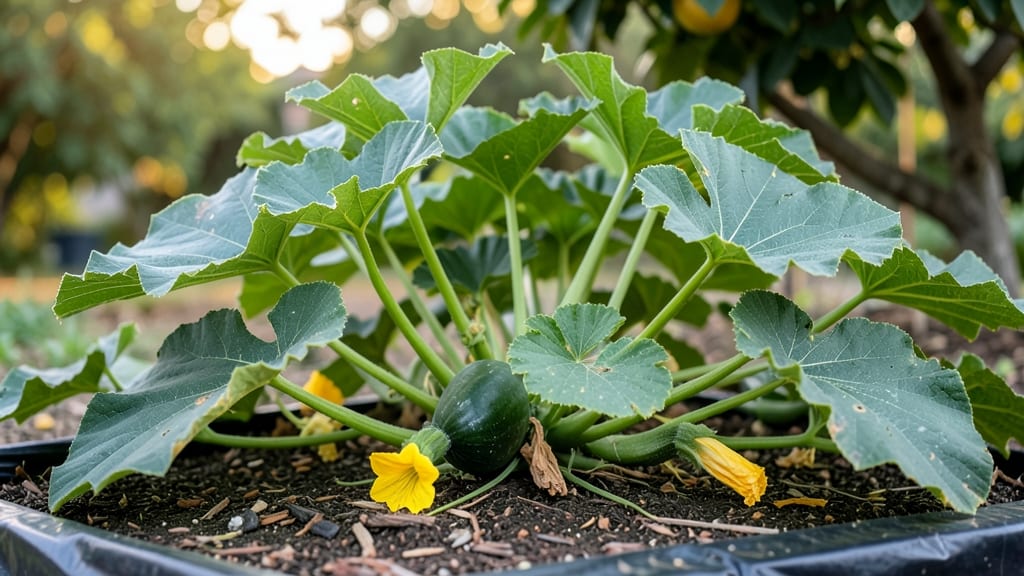
When squash leaves curl up overnight, panic sets in—but I’ve fixed this problem in 3 days every time, and you can too. 🌱 The culprit is almost always one of three things: hungry pests, sneaky diseases, or environmental stress that’s pushing your plants past their limits.
What starts as a curled leaf can turn into a lost harvest if you wait too long.
The first step is identifying the real issue: squash bugs leave jagged holes and yellowing, powdery mildew creates a white dust on undersides, while heat stress makes leaves crispy at the edges.
I’ve treated all three—here’s exactly what worked for me, from organic sprays to quick fixes for wilting vines. No more guessing, just action.
Once you know what’s wrong, recovery is faster than you think. A simple neem oil spray for pests or adjusting watering for stress can turn those curled leaves back to vibrant green in just 72 hours.
The key is acting before the problem spreads to the stems or fruit. Your plants will bounce back—and so will your confidence.
This works for zucchini, butternut, and pumpkin varieties alike, whether you’re dealing with a single plant or your whole patch. Let’s get those vines thriving again before the problem takes hold. The fix is simpler than you’d expect.
Root Causes Of Leaf Distress
When your squash leaves start curling upward like a frustrated fern, it’s usually a cry for help from your plant. Understanding the root causes—literally and figuratively—can help you diagnose the issue faster and restore your vines to their lush, productive selves.
Below, we break down the most common culprits behind this frustrating symptom, complete with science-backed explanations and actionable clues to spot each one.
Squash plants are heat-lovers, but even they can overheat or suffer from water imbalances, leading to curled leaves. Here’s how to tell if it’s a hydration or temperature problem:
- Wilting + Crispy Edges: If the leaves curl upward and feel dry or papery, your plant is underwatered. Squash roots are shallow, so they dry out quickly in hot weather or sandy soil. Pro tip: Stick your finger 1–2 inches into the soil—if it’s bone-dry, water deeply until moisture reaches 6 inches down. 💡 Morning watering is key to prevent evaporation.
- Soggy Soil + Yellowing: Overwatering or poor drainage can suffocate roots, causing leaves to curl and turn yellow. Squash hates “wet feet”—ensure containers have drainage holes or raised beds allow excess water to escape. 🌡️ Test your soil: Press it gently; if it stays clumped and smells sour, it’s too wet.
- Sudden Heat Spikes: Temperatures above 90°F (32°C) can scorch leaves, making them pucker and curl. If your area has unusually hot days (especially post-rain), provide afternoon shade with a floating row cover or drip irrigation to keep roots cool.
Quick Fix: Adjust your watering schedule (deep and infrequent) and mulch with straw or grass clippings to retain moisture and regulate soil temp. If heat is the issue, prioritize afternoon shade until temps drop.
Tiny invaders can turn your squash into a buffet, causing leaves to curl as a defensive response. Here’s how to ID the culprits:
| Pest | Signs | What They Do | Action Plan |
|---|---|---|---|
| Squash Bugs 🐛 | Leaves curl upward with black/brown shield-shaped bugs underneath. Sticky honeydew on lower leaves. | Pierce leaves to suck sap, weakening the plant and spreading disease. | 🔥 Handpick bugs into soapy water daily. Use row covers early in the season. Spray with neem oil (repeat every 5 days). |
| Spider Mites 🕷️ | Tiny webs on undersides, leaves curl and turn bronze/yellow (especially in dry heat). | Suck cell sap, causing leaf distortion and stunted growth. | 🌡️ Blast leaves with water to wash them off. Increase humidity with a mist bottle or shade cloth. Use insecticidal soap (repeat weekly). |
| Cucumber Beetles 🐞 | Chewed holes in leaves, yellow/orange striped beetles. Leaves may curl to hide eggs. | Transmit bacterial wilt (fatal) and chew leaves into lace. | ✨ Yellow sticky traps near plants. Diatomaceous earth around the base. Rotate crops next season to break their cycle. |
Prevention Tip: Inspect leaves daily under the curl—early detection stops infestations before they spiral. 💡 Healthy plants repel pests: Ensure your squash gets full sun (6–8 hours) and balanced fertilizer (too much nitrogen = soft, pest-loved leaves).
Squash leaves curl when they’re starving or overfed, sending a SOS about their diet. Here’s how to decode the clues:
- Nitrogen Deficiency (Pale, Yellowing Leaves):
Leaves curl and turn yellow between veins (chlorosis) if your soil lacks nitrogen. This weakens the plant’s ability to produce chlorophyll, causing stunted growth. Fix: Side-dress with compost or use a balanced fertilizer (10-10-10). Avoid over-fertilizing—too much nitrogen burns roots.
- Potassium Deficiency (Brown Leaf Edges):
Curling paired with brown, crispy edges (especially on older leaves) signals low potassium. This mineral helps regulate water and nutrient flow. Fix: Add wood ash (sparingly) or use a potassium-rich fertilizer like banana peel tea.
- Over-Fertilization (Burned Roots):
Too much salt or synthetic fertilizer can scorch roots, causing leaves to curl upward in distress. Check for white crust on soil surface. Fix: Flush soil with water and avoid fertilizing until new growth appears.
Soil Test Savior: If you’re unsure, send a soil sample to your local extension office for a $15–$20 test. It’ll tell you exactly what your squash is craving—or what’s poisoning it. 🎯
Diseases like powdery mildew or downy mildew thrive in humid conditions, causing leaves to curl as a defense mechanism. Here’s how to spot them:
- Powdery Mildew:
Leaves curl upward with a white, powdery coating (like dust). Common in shady, humid conditions. Fix:
- ⏰ Space plants 3–4 feet apart for airflow.
- 🌡️ Water at soil level (avoid wetting leaves).
- 🔥 Baking soda spray: Mix 1 tsp baking soda + 1 tbsp oil + 1 tsp soap in 1 quart water. Spray every 7–10 days.
- Downy Mildew:
Curling leaves with purple-gray fuzz on undersides (especially in cool, wet weather). Fix:
- ✨ Remove infected leaves immediately and sterilize pruners with rubbing alcohol
Quick Fixes for Curling Squash Leaves
If your squash plants are looking stressed with leaves curling up like a sad taco, don’t panic—most issues are fixable with a little detective work and targeted care. Below, we’ll break down the most common causes and the fastest, most effective solutions to get your vines thriving again.
Think of this as your emergency repair kit for squash leaves!
If your soil feels soggy or waterlogged, your squash plants are suffocating. Roots need air too!
🔥 Step 1: Check the Soil
- Stick your finger 2 inches into the soil. If it’s damp (not dripping), you’re overwatering. If it’s bone-dry, you’re underwatering—both can cause stress.
- Pro tip: 🌡️ Use a moisture meter for accuracy. Squash prefers soil that’s consistently moist but not soggy.
🍳 Step 2: Adjust Your Watering Routine
- Morning watering is key—it gives leaves time to dry before evening, reducing fungal risks.
- Water at the base of the plant, not the leaves, to avoid fungal diseases like powdery mildew.
- If your soil drains poorly, amend it with compost or perlite to improve aeration.
⏰ Step 3: Give Roots Room to Breathe
- If your squash is in containers, ensure pots have drainage holes. Elevate pots on saucers to prevent water pooling.
- For in-ground plants, consider raising beds if your yard stays waterlogged after rain.
Blistering sun or sudden heatwaves can make leaves curl as a protective measure. Here’s how to shield your squash:
👨🍳 Step 1: Provide Temporary Shade
- Use lightweight shade cloth (30-50%) over young plants or newly transplanted squash.
- DIY hack: 🌿 Hang old bedsheets or burlap sacks for a budget-friendly solution.
🥘 Step 2: Mulch Like a Pro
- Spread 2-3 inches of straw or wood chips around the base to keep roots cool and retain moisture.
- Bonus: Mulch also suppresses weeds, reducing competition for water.
🔪 Step 3: Water Deeply During Heatwaves
- Soak the soil early in the morning (1-2 gallons per plant) to encourage deep root growth.
- Avoid wetting leaves during peak sun—this can cause sunburn-like damage.
Squash bugs, aphids, and spider mites love curling leaves for a snack. Here’s how to evict them:
💡 Step 1: Inspect & Identify the Culprit
- Squash bugs: Look for flat, brownish ovals on the underside of leaves.
- Aphids: Tiny green/black clusters on new growth.
- Spider mites: Fine webbing on leaves (use a magnifying glass if needed).
🎯 Step 2: Manual Removal (Best for Small Infestations)
- Handpick squash bugs and drop them in soapy water. Check daily for 1-2 weeks.
- Blast aphids off with a strong stream of water from a hose.
- Wipe down leaves with a neem oil solution (1 tbsp neem oil + 1 tsp mild soap per quart of water).
✨ Step 3: Prevent Future Pests
- Rotate crops yearly—don’t plant squash in the same spot.
- Use row covers early in the season to block pests before they lay eggs.
- Plant companion crops like nasturtiums or marigolds to repel bugs naturally.
Yellowing or curling leaves can signal a hunger for key nutrients. Here’s how to diagnose and fix it:
| Symptom | Likely Cause | Quick Fix |
|---|---|---|
| Curling + yellowing older leaves | Nitrogen deficiency | Apply compost tea or a balanced fertilizer (10-10-10). |
| Curling + purple stems/leaves | Phosphorus deficiency | Use a phosphate-rich fertilizer (like bone meal) or wood ash. |
| Curling + weak, pale new growth | Potassium deficiency | Feed with banana peel tea or a potassium sulfate supplement. |
💪 Prevention Tip:
- Test your soil every 2-3 years to avoid guesswork. Most garden centers offer affordable kits.
- Side-dress plants with compost every 4-6 weeks for a steady nutrient boost.
Powdery mildew, downy mildew, or bacterial wilt can curl leaves and spread fast. Here’s how to stop it:
🔥 Step 1: Remove Infected Parts
- Snip off curled or spotted leaves with sterilized scissors and dispose of them in the trash (not compost).
- Avoid wetting leaves when watering—aim for the soil instead.
🍳 Step 2: Treat with Fungicides
- Baking soda spray (1 tsp baking soda + 1 quart water + a drop of soap) for powdery mildew.
- Copper fungicide (follow label instructions) for bacterial wilt or downy mildew.
- Preventative spray: 🌿 Mix 1 tbsp milk + 1 quart water and spray weekly to boost plant resistance.
⏰ Step 3: Improve Airflow
- Space plants 3-4 feet apart to reduce humidity around leaves.
- Prune nearby weeds or overgrown foliage that traps moisture.
If your squash plant is beyond saving but you’ve got other vines, consider:
- Transplanting healthy runners from a less-affected plant.
- Starting new seeds if the season allows (squash grows fast!).
- Saving seeds from your healthiest plants for next year’s garden.
Remember: Most squash leaves bounce back in 3-5 days once the root cause is addressed. Keep an eye on your plants, and don’t hesitate to tweak your approach if symptoms persist. Happy growing! 🌱🎉
Frequently asked questions
Why are my squash leaves curling upward suddenly?
Sudden leaf curling is usually your plant’s distress signal for pests, disease, or environmental stress. Check for tiny webs (spider mites), brown shield-shaped bugs (squash bugs), or white powder (powdery mildew). Hot weather or uneven watering can also trigger this response—especially if leaves feel dry or crispy at the edges. Start by inspecting both leaf surfaces and soil moisture.
Can I save my squash plant if the leaves are already curled?
Yes! Most squash plants recover within 3-5 days if you act quickly. First, identify the cause (pests, water, heat, or disease) and address it immediately. For pests, handpick bugs or spray neem oil. For water issues, adjust your schedule to deep watering in the morning. If it’s disease-related, remove infected leaves and apply a baking soda spray. The key is catching it early before the problem spreads to stems or fruit.
How do I tell if squash leaf curling is from pests vs. disease?
Pests like squash bugs or spider mites leave visible signs: look for tiny webs, chewed edges, or bugs hiding under curled leaves. Diseases (like powdery mildew) show up as powdery white coatings or purple-gray fuzz on undersides. For bacterial wilt, check for yellowing and wilting that spreads quickly. If you see bugs, focus on manual removal and organic sprays. For diseases, prioritize airflow and fungicidal treatments.
Will pruning curled leaves help my squash plant recover?
Pruning can help only if the curling is caused by disease or severe pest damage. Remove only the most affected leaves to prevent spreading problems, but avoid over-pruning—healthy foliage helps the plant photosynthesize and recover. For nutrient deficiencies or environmental stress, focus on fixing the root cause (like adjusting water or adding fertilizer) rather than pruning. Always sterilize your pruners with rubbing alcohol between cuts.
How can I prevent squash leaf curling next season?
Prevention starts with healthy soil and proactive care. Test your soil annually and amend with compost. Use row covers early in the season to block pests, and rotate crops yearly to prevent disease buildup. Mulch with straw to retain moisture and regulate temperature. Finally, monitor plants daily for early signs of stress—catching issues before they curl leaves makes all the difference!