
Picking
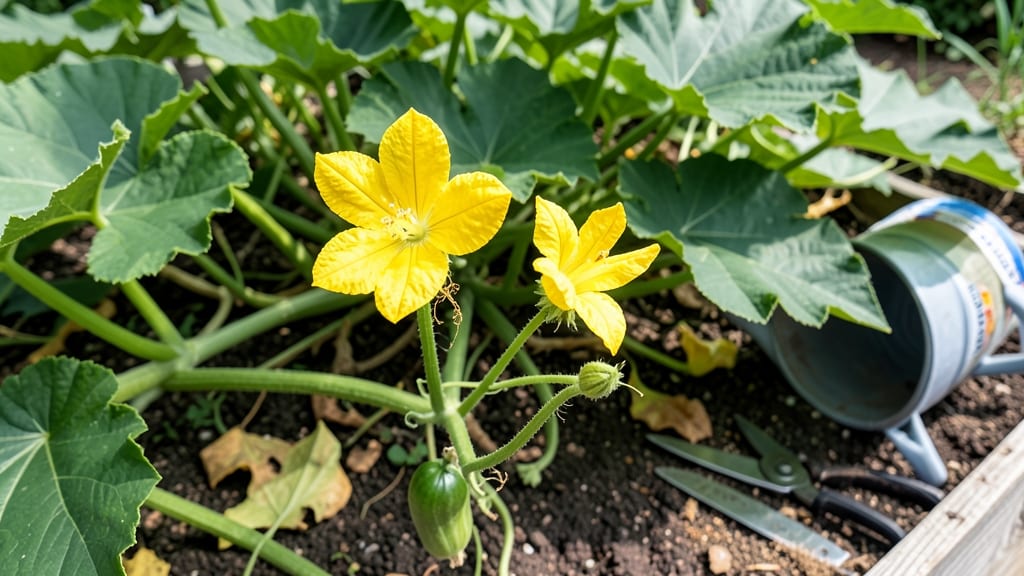
Squash cross pollination happens when pollen from one squash variety lands on another, mixing their genetic traits and creating unpredictable fruits with mixed shapes, colors, or flavors. This contamination ruins heirloom purity and can turn your prized zucchini into something completely different.🌱
This genetic mixing isn't just about odd-looking produce—it can completely alter taste profiles and growing habits. For example, a sweet butternut squash might cross with a bitter acorn variety, resulting in fruit that's neither sweet nor nutty.
The problem gets worse when you grow multiple squash types together, since their flowers release pollen that travels easily through wind or insects. I've seen entire harvests ruined this way, which is why gardeners who save seeds for next year take extra precautions.
What makes this tricky is that some cross-pollinated seeds may look normal but produce inferior fruit. Even if you don't notice the changes immediately, you might end up with seeds that don't grow true to type. The good news?
With proper isolation—like planting varieties at least 500 feet apart or using pollination bags—you can maintain your squash's original characteristics. Many serious seed savers use row covers during flowering to create a controlled environment.
💡 In This Article
- How Squash Cross Pollination Works Scientifically
- Preventing Unwanted Squash Hybridization in Gardens
How squash cross pollination works scientifically
Squash cross pollination begins when pollen grains from one plant's male flowers (the staminate flowers) land on the female flowers (the pistillate flowers) of a different variety. These male flowers produce pollen that's carried by wind, bees, or other insects over distances that can exceed 100 feet in ideal conditions.
The squash family (Cucurbita) is particularly prone to hybridization because their flowers open early in the morning, releasing pollen when humidity is high and winds are light—perfect conditions for cross-contamination. 🔥
The genetic mixing happens at the DNA level when sperm cells from one variety fertilize the egg cells of another. This creates hybrid seeds that may produce fruit with completely different traits.
For example, crossing a round acorn squash with a long spaghetti squash could yield fruit that's neither round nor elongated but something entirely new. The dominance of certain traits depends on the varieties involved—some characteristics like color may show up immediately, while others might take generations to manifest fully.
Wind speed and direction play a critical role in how far pollen travels. A gentle breeze can carry squash pollen 50-100 feet, while stronger winds may spread it even farther. That's why gardeners growing multiple varieties need to account for these factors when planning their layouts.
Insects like bees also contribute significantly—studies show they can transfer pollen between flowers up to 500 feet apart in a single day, making isolation distances even more critical for seed saving.
Not all squash varieties are equally prone to cross pollination. Summer squashes like zucchini and pattypan tend to hybridize more easily because they bloom prolifically and produce abundant pollen. Winter squashes like butternut and pumpkin are slightly less aggressive but still capable of contaminating nearby plants.
The key difference lies in their flowering patterns—summer squashes often have overlapping bloom periods, increasing the chances of accidental crossings. 🌱
What makes this process particularly frustrating for gardeners is that cross-pollinated seeds may look identical to the parent variety but produce inferior or completely different fruit. For instance, a cross between a sweet butternut squash and a dry acorn squash might yield fruit that's neither sweet nor properly shaped.
Even if the fruit looks normal, the seeds inside may not grow true to type, leading to disappointing results the following year.
The genetic consequences extend beyond just fruit appearance. Cross pollination can also affect plant vigor, disease resistance, and storage characteristics. A hybrid might be more susceptible to powdery mildew or rot more quickly than its purebred parents.
This is why serious seed savers treat cross pollination prevention like a science, using methods like physical isolation or hand pollination to maintain genetic purity.