
Vegetables
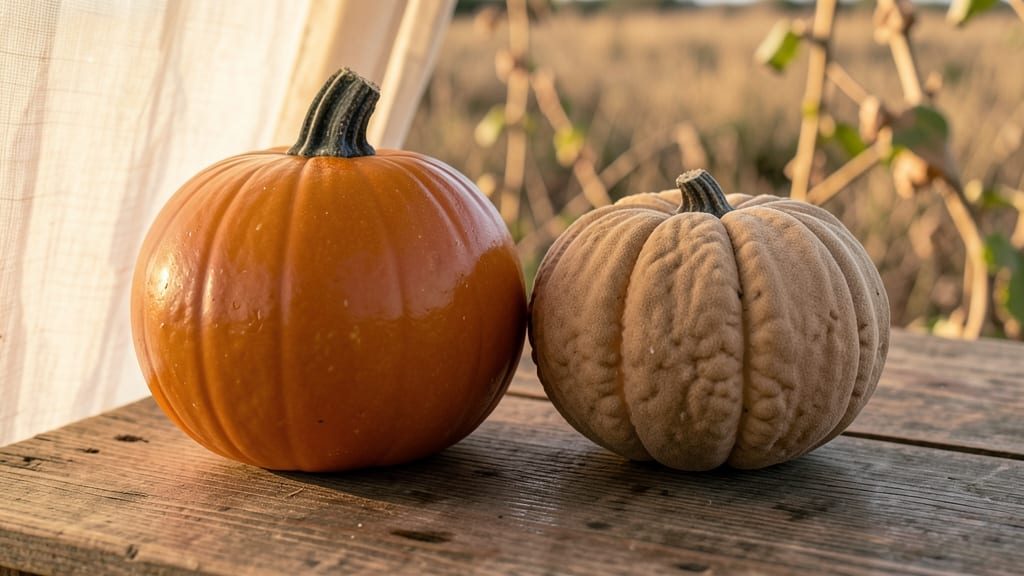
Struggling to tell a zucchini from a butternut? This visual guide features 10 distinct squash varieties with high-quality photos and key identification tips for gardeners, farmers' market shoppers, and home cooks.
Zucchini Squash Identification Guide
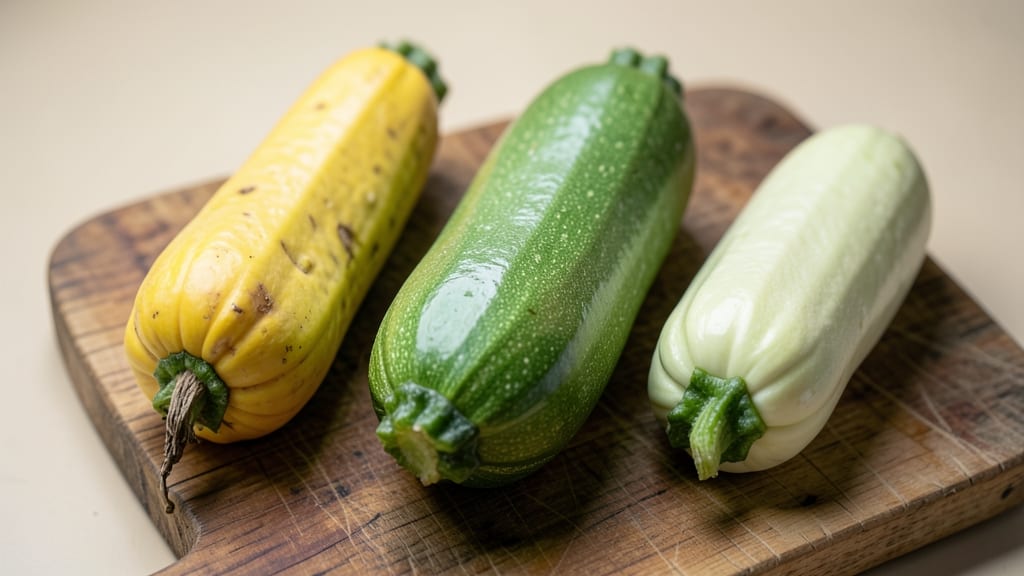
If you’ve ever picked a zucchini that was either too hard or too soft, you know how tricky it is to judge ripeness. The secret lies in the stem and skin texture—two clues that reveal whether your zucchini squash is at peak flavor or past its prime.
Immature zucchini (ready to harvest) has a smooth, glossy skin and a bright green color. Look for a small, white blossom end (the stem side) that’s still firm but not woody. Overripe varieties, however, develop a dull, rough skin and a thick, fibrous stem that’s hard to remove. For the best taste, harvest when they’re 6-8 inches long—before seeds turn hard.
This tip is a game-changer for home gardeners who want to avoid bitter, seedy squash. Mastering these visual cues ensures you’ll always pick year-round harvests at their sweetest. 🌱
Yellow Crookneck Squash Visual Features
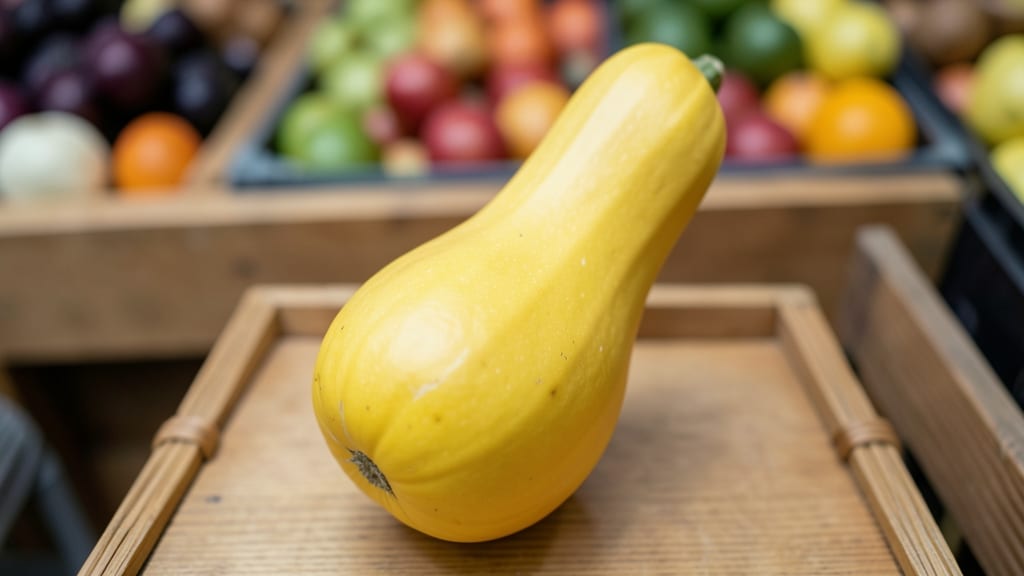
If you’ve ever mixed up summer squash varieties at the market, the yellow crookneck squash stands out with its unmistakable curved neck and golden-yellow skin. Unlike its straight-neck cousins, this squash’s signature bend makes it instantly recognizable—even from a distance.
The curved neck is the defining feature, tapering into a bulbous, ribbed body that’s typically 6–10 inches long. Its skin is smooth and glossy when ripe, with a vibrant hue that ranges from pale yellow to deep golden-orange. Unlike zucchini, which are typically dark green, crookneck squash’s color and shape make it a standout in any garden or harvest display.
This variety thrives in warm climates and is perfect for gardeners who want a visually striking addition to their summer harvest. 🌻
Acorn Squash Color Variations
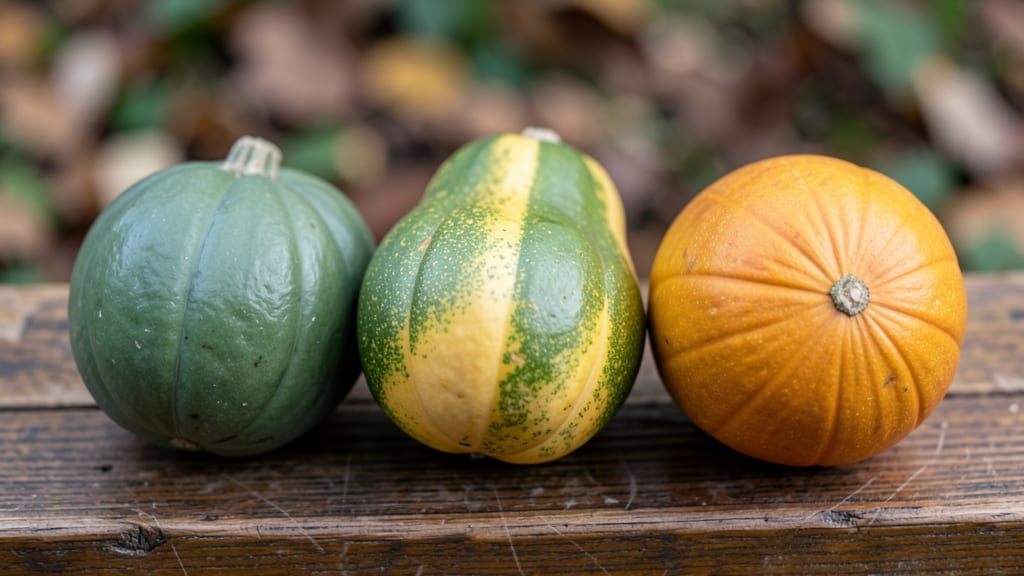
If you've ever wondered why some acorn squash look green while others glow golden orange, the answer lies in ripeness—not variety. This beloved winter squash transforms dramatically as it matures, offering a stunning color spectrum that's as much about timing as it is about genetics.
The transformation begins with a deep green exterior when young, which gradually shifts to a golden orange as the squash ripens fully on the vine. The ribbed texture remains consistent, but the color change signals peak sweetness and storage readiness. For gardeners, this means harvesting when the stem dries and the color deepens—typically in late fall—for the best flavor and texture.
This color variation makes acorn squash a favorite for both visual appeal and culinary versatility. Whether you're selecting at a market or harvesting from your own garden, watch for that golden glow to know you've got a winner. 🌟
Spaghetti Squash Exterior Characteristics
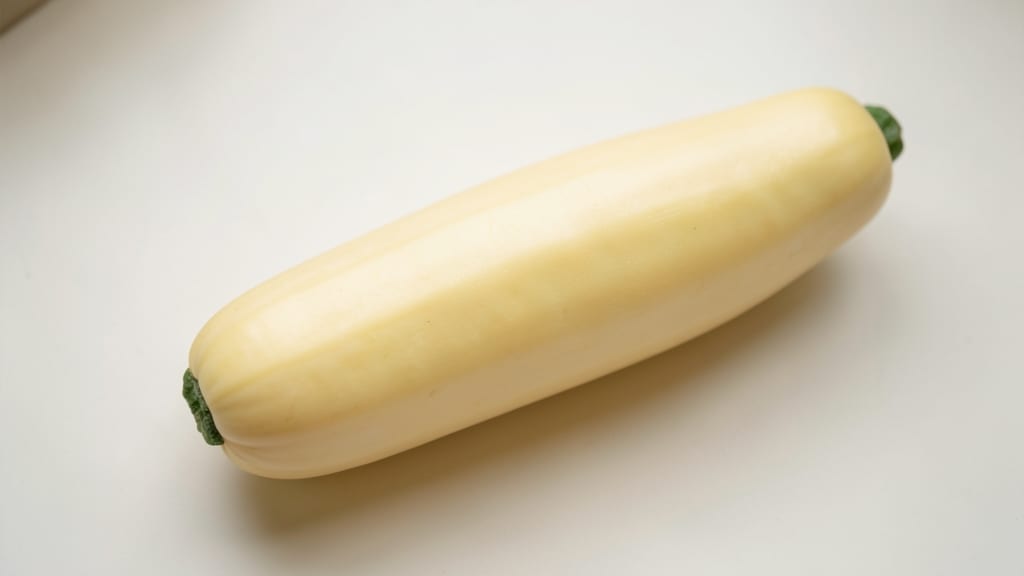
When you spot a squash with a sleek, elongated shape and pale yellow skin, you’ve likely found spaghetti squash—the winter squash that looks like a giant cucumber. Unlike ribbed acorn squash or bulbous butternut, its smooth surface and tapered ends make it instantly recognizable before even touching it.
This winter squash typically grows 12-20 inches long and weighs 4-8 pounds, with a hard, thick rind that protects its stringy interior. Look for a matte, pale yellow exterior (never green or orange) and a slightly bulbous center—these are dead giveaways. At farmers' markets, its slender form stands out next to rounder squash varieties.
Gardeners growing spaghetti squash will appreciate how its distinct shape prevents mix-ups with other winter squash. Perfect for visual learners, this squash’s exterior clues make it a standout in your harvest. 🌱
Butternut Squash Stem and Shape
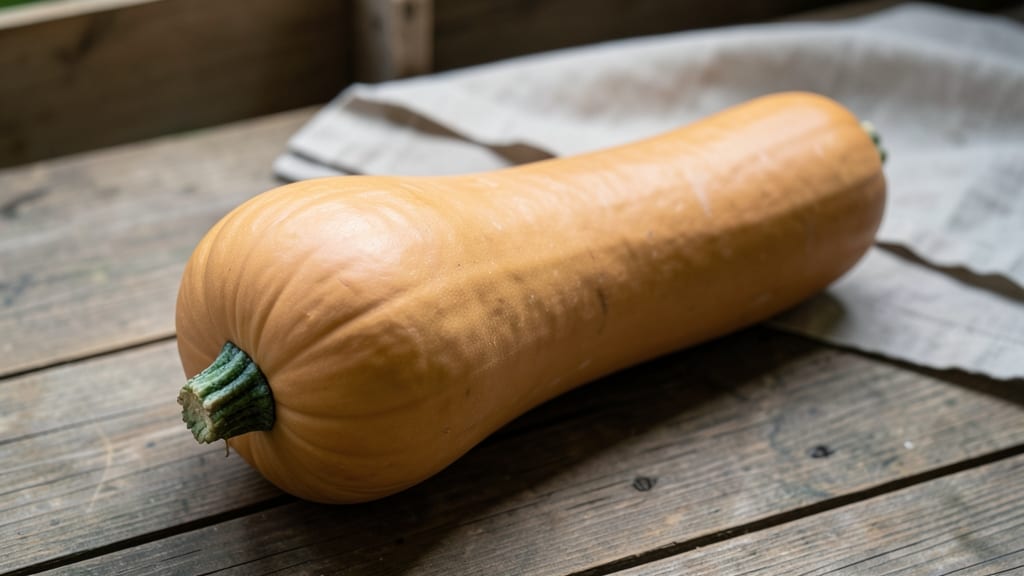
If you've ever picked up a squash at the market and wondered, "Is this a butternut?"—look no further. The butternut squash stands out with its long, tapered neck and smooth tan skin, making it easy to spot once you know what to look for.
Start by examining the stem end: butternut squash have a distinctive bulbous base that narrows into a long, slender "handle" (the neck). Unlike acorn or spaghetti squash, their skin is smooth and matte, ranging from pale tan to golden brown. Compare it to a football shape—if it’s elongated with a clear neck, it’s likely a butternut. Store-bought examples often have a slightly curved neck, while heirloom varieties may be straighter.
This visual trick is a game-changer for home gardeners and market shoppers who want to avoid mix-ups. Next time you’re selecting squash, trust your eyes—and that signature neck! 🌟
Delicata Squash Ribbing Pattern
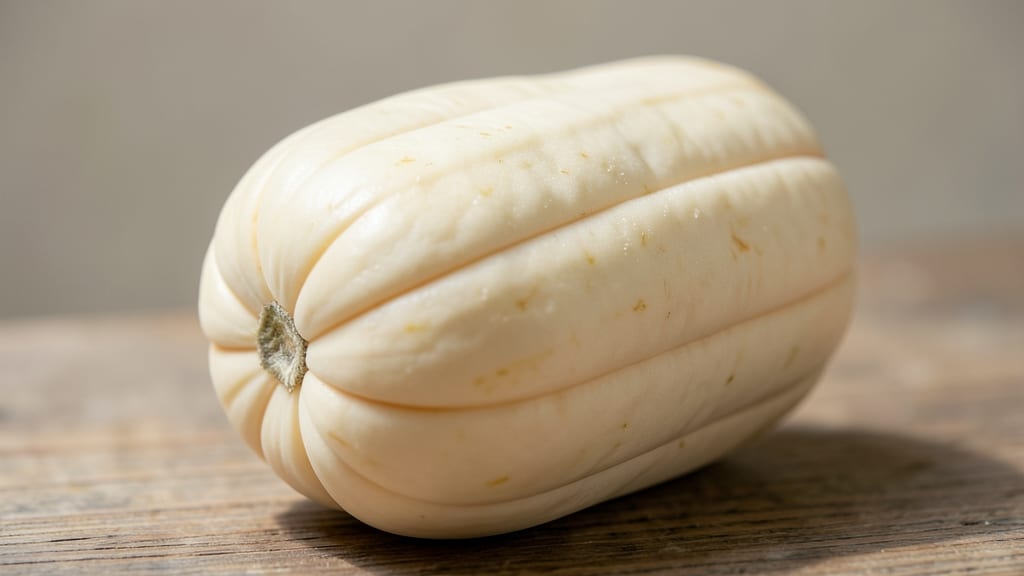
Skip the peeling step with Delicata squash, the only winter squash you can eat with its skin on. Its cream-colored, ribbed exterior and vertical grooves create a striking look that sets it apart from other varieties.
Look for 5-8 prominent ridges running from stem to base, and a smooth, paper-thin skin that peels away easily. The flesh inside is sweet and nutty, perfect for roasting or spiralizing. This 80-day maturity squash thrives in cooler weather, making it ideal for late summer planting.
Gardeners who love minimal prep work will appreciate this dual-purpose squash—great for both the garden and the kitchen. 🌱
Hubbard Squash Size Comparison
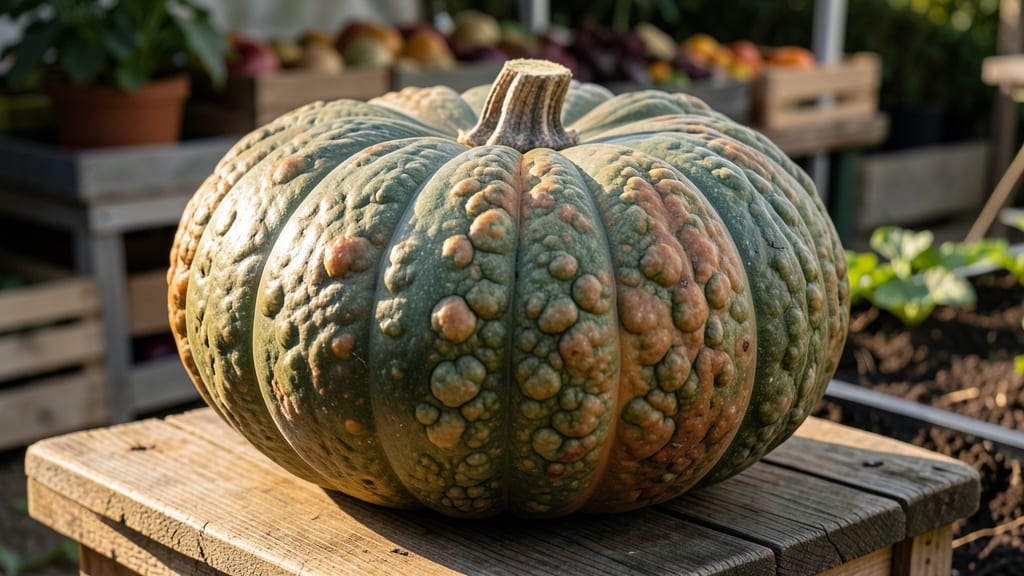
When you spot a squash so large it looks like a small pumpkin, that’s likely a Hubbard squash—one of the most dramatic winter squash varieties. Its rough, warty skin and massive size (often weighing 10–30 pounds!) make it instantly recognizable at farmers' markets or in home gardens.
Unlike smooth-skinned squash, Hubbard varieties have deep ridges and bumps that give them a textured, almost prehistoric appearance. The most common types are blue Hubbard (dark green) and golden Hubbard (tan), both prized for their sweet, nutty flesh. These squash thrive in cool climates and store for months, making them ideal for fall and winter harvests.
Perfect for gardeners who love statement plants, Hubbard squash are also a great conversation starter for beginners learning to identify heirloom varieties. 💪
Cushaw Squash Color Variations
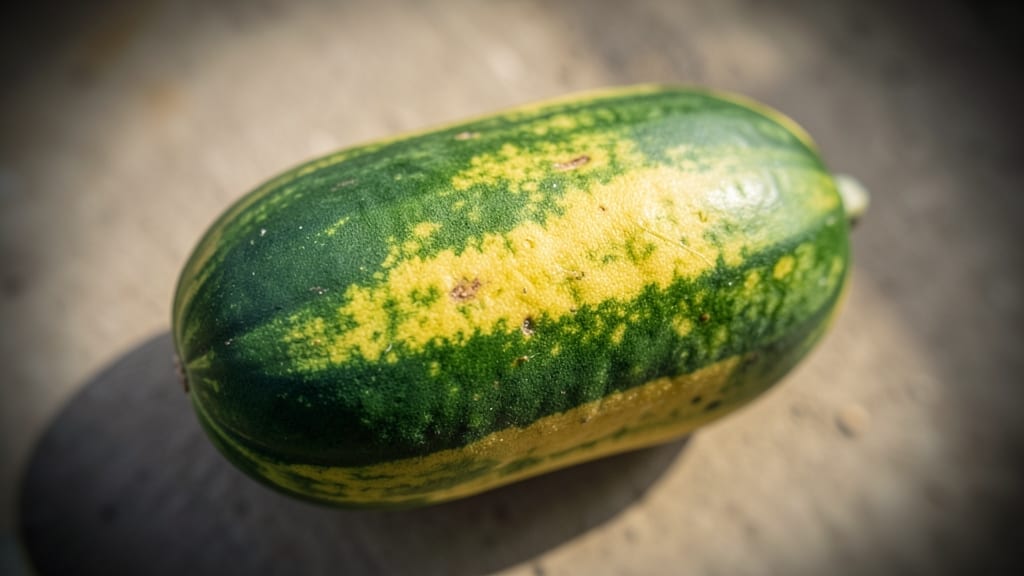
If you're hunting for a heirloom winter squash with a smooth, velvety texture and a unique oval shape, cushaw squash might be the prize in your harvest. Unlike ribbed or warty varieties, its skin ranges from deep green to golden yellow, making it a standout in any garden or market display.
Look for the smooth, glossy skin that sets it apart from other squash types—this variety comes in two main color families: green (like 'Cayenne' or 'Georgia Candy Roaster') and yellow (like 'Cheese' or 'Sweet Dumpling'). The oval shape is another key identifier, often resembling a slightly flattened egg. These squash thrive in warm climates and store well for months, making them a gardener’s favorite for fall and winter.
Perfect for those who love versatile heirloom varieties, cushaw squash is ideal for roasting, baking, or even savory pies. Its sweet, nutty flavor makes it a crowd-pleaser, and the smooth skin makes it a joy to prepare. 🌟
Ornamental Gourds Shape Guide
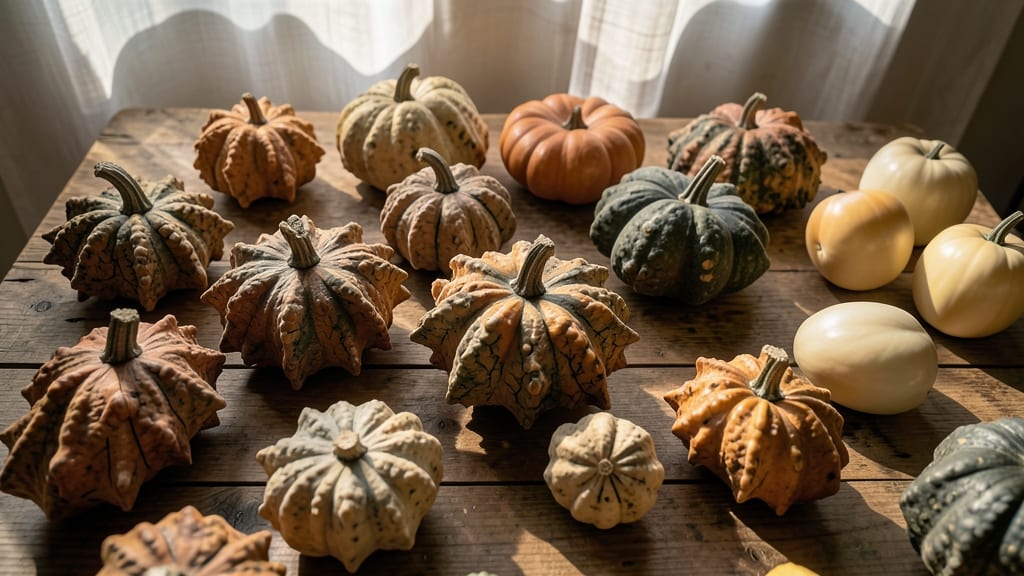
Think you’ve seen it all in the squash family? Ornamental gourds take the cake with their wild, exaggerated shapes—from spiky "turkey gourds" to smooth, sculptural "apple gourds"—that look more like art than edible crops. Unlike their round or oblong cousins, these gourds boast asymmetrical curves, bumps, and even "finger-like" protrusions that make them instant conversation pieces in any garden.
To spot them, look for hard, woody skins (never soft like edible squash) and unusual patterns, like the striped "warty" gourds or the lobed "snowball" varieties. Most ornamental gourds mature to 10–12 inches long but stay lightweight—perfect for drying and displaying. Plant them in full sun and let vines sprawl freely; they thrive in poor soil and even tolerate light frost, making them low-maintenance stars for autumn decor or winter arrangements.
These gourds are a must-have for gardeners who love drama—whether you’re crafting Halloween displays or adding whimsy to your porch. Their non-edible nature also means no need to harvest early; let them ripen fully for maximum visual impact. 🌟
Pumpkin vs. Squash Skin Texture

Ever grabbed what you thought was a pumpkin—only to realize it was a squash (or vice versa)? The secret to telling them apart lies in their skin texture, which reveals everything from variety to maturity.
Pumpkins typically have thicker, smoother skin with a slightly waxy finish, while most squash varieties—like butternut or acorn—feature visible ridges, bumps, or a rougher surface. Even their color consistency differs: pumpkins often show more uniform hues, whereas squash may have mottled or speckled patterns. Run your fingers over the skin—if it feels gritty or uneven, you’re likely holding a squash!
This trick is especially helpful for farmers' market shoppers or gardeners selecting seeds, as texture clues eliminate guesswork. Next time you’re comparing varieties, let your fingertips do the talking! 🌟