
Picking
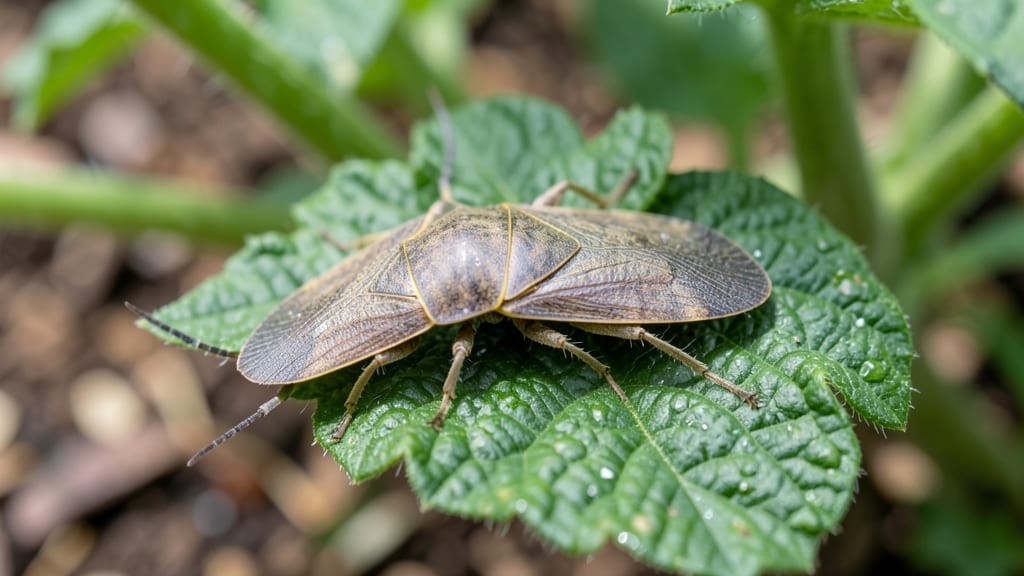
Squash bugs on tomatoes are the garden's silent saboteurs—tiny but devastating. 🌱 I’ve lost entire harvests to these shield-backed pests, but I’ve since mastered a fast-acting natural spray that stops them in their tracks without harsh chemicals. The key is acting early, before they multiply and drain your plants dry.
These pests thrive in warm weather, hiding under leaves and laying eggs on stems. A single adult can destroy a plant in weeks, but a mix of neem oil, insecticidal soap, and water applied at dusk disrupts their life cycle.
You’ll see results within 24-48 hours—no more black, sticky droppings or wilting vines.
The best part? This spray works on other squash-family plants too. Once you’ve used it, you’ll notice fewer eggs, fewer adults, and plants that bounce back stronger. The secret is consistency—reapply every 5-7 days or after rain.
For heavy infestations, combine this spray with row covers or companion planting (like nasturtiums) to break their cycle. Your tomatoes will thank you with vibrant green leaves and plump fruit all season long.
Root Causes Of Garden Pests
Squash bugs and tomato plants may seem like an unlikely pairing, but these tenacious pests are drawn to your garden for specific reasons. Understanding why they target your crops is the first step to stopping them in their tracks.
Let’s break down the science behind their behavior and how your garden might be unknowingly inviting them in.
Squash bugs (and their cousins, stink bugs) are opportunistic feeders with a preference for soft, decaying plant tissue. When tomatoes or squash fruits begin to ripen, their skin softens, releasing sugars and volatile organic compounds (VOCs) that signal "easy prey" to hungry insects.
Even minor damage—like hail bruising, bird pecks, or cracked skin—can trigger an infestation.
Why it matters: A single damaged tomato can attract dozens of squash bugs within hours. These pests don’t just feed on fruit; they also inject toxins into healthy tissue, causing yellowing, wilting, or premature rot.
If you’ve noticed clusters of bugs near overripe or injured tomatoes, your garden is essentially a buffet sign.
Actionable insight: Harvest ripe fruit promptly and remove fallen or damaged produce immediately. Mulch heavily around plants to deter egg-laying and reduce soil-borne attractants.
Squash bugs thrive in messy, cluttered gardens. They overwinter as adults in leaf litter, garden borders, and even under mulch, emerging in spring to lay eggs on the undersides of leaves. If your garden has:
- 🍂 Last year’s plant debris (especially cucurbits like squash or pumpkins)
- 🪴 Weeds or volunteer plants (squash bugs love pigweed and smartweed)
- 🌾 Untended compost piles (moist, dark environments mimic their breeding grounds)
These conditions create a perfect hiding and hibernation spot. When spring arrives, adults migrate to tomato and squash plants—your garden’s "host" crops—because they’re already familiar with the scent and nutrients.
Actionable insight: Clear garden beds thoroughly in fall, focusing on removing all plant material. Use black plastic mulch in early spring to suffocate overwintering bugs before they lay eggs.
Squash bugs are temperature-sensitive. They prefer warmth (70–85°F) and high humidity, which is why they’re often found in:
- 🌿 Shady or densely planted areas (where moisture lingers)
- 💧 Overwatered soil (soggy roots attract them)
- 🌞 Greenhouses or hoop houses (trapped heat speeds up their lifecycle)
Tomato plants, especially those with large, broad leaves, create microclimates that trap humidity. Squash bugs exploit this by laying eggs in these moist environments, ensuring their nymphs (baby bugs) have ideal conditions to thrive.
Actionable insight:
- 🌡️ Space plants 18–24 inches apart for airflow.
- ⏰ Water in the morning to reduce evening humidity.
- 🌿 Avoid mulching too close to stems (leave a 6-inch bare strip).
Tomatoes and squash release specific chemical signals that squash bugs detect from up to 50 feet away. These include:
- 🍅 Volatile organic compounds (VOCs) like hexanal and methyl salicylate, which indicate stress or damage.
- 🌱 Sugary exudates (like honeydew from aphids), which attract squash bugs even if no damage exists.
Once a few bugs find a plant, they release pheromones to call reinforcements—a phenomenon called mass attraction. This explains why infestations can explode overnight.
Actionable insight:
- 🌿 Interplant tomatoes with basil or marigolds—these repel squash bugs with their own chemical defenses.
- 🚫 Avoid over-fertilizing with nitrogen, which makes plants more attractive.
- 🕵️ Scout plants weekly for early signs (eggs, tiny black droppings) and act fast.
Squash bugs have few natural enemies in most home gardens. While birds, parasitic wasps, and ground beetles may prey on them, these predators often avoid gardens due to:
- 🏡 Lack of habitat (no hedgerows, wildflowers, or diverse ecosystems).
- 🪲 Pesticide use (even "safe" sprays can harm beneficial insects).
- 🌿 Monoculture planting (large blocks of tomatoes/squash offer no refuge for predators).
Without these checks and balances, squash bug populations skyrocket, turning your garden into a free-for-all feast.
Actionable insight:
- 🐝 Plant companion flowers like dill, fennel, or alyssum to attract predator insects.
- 🪲 Avoid broad-spectrum pesticides—opt for targeted sprays (like neem or kaolin clay).
- 🌿 Leave some garden "wild"—a patch of clover or weeds can harbor beneficial bugs.
Practical Fixes for Garden Pests
If squash bugs and their tomato-loving cousins have invaded your garden, don’t panic—there are effective, natural ways to reclaim your plants without harsh chemicals. Below, we break down solutions by cause, so you can target the problem directly and keep your garden thriving.
Prevention tips are included to stop future invasions in their tracks!
Squash bugs and tomato pests thrive when left unchecked, so acting fast is your best defense. The sooner you spot them, the easier they are to remove.
👨🍳 How to Spot & Remove Them
- Check undersides of leaves (especially squash and tomato plants) for grayish-brown oval bugs or their black eggs clustered in rows.
- Gently scrape them off with a stiff brush or gloved hands and drop them into soapy water to kill them instantly.
- Focus on egg masses—scrub them off leaves with a soft brush or your fingernail and dispose of them in sealed bags.
💡 Pro Tip:
Do this in the early morning when bugs are sluggish and easier to catch. Wear long sleeves and gloves to avoid irritating sap!
If hand-picking isn’t enough, these homemade sprays are tough on pests but safe for your plants and the environment.
🔪 DIY Neem Oil Spray (Best for Eggs & Nymphs)
Neem oil disrupts the life cycle of squash bugs and tomatoes pests by smothering eggs and repelling adults.
| Ingredients | Amount |
|---|---|
| 1 tbsp neem oil | 1 quart water |
| 1 tsp mild liquid soap (as an emulsifier) | — |
| 1 tsp horticultural oil (optional, for extra stickiness) | — |
How to use:
- Mix ingredients in a spray bottle.
- Shake well and spray directly on leaves (focus on undersides).
- Reapply every 5–7 days or after rain.
⏰ Diatomaceous Earth (DE) Dust (For Crawling Adults)
Food-grade DE is a non-toxic powder that dehydrates bugs on contact. It’s perfect for dry, sunny days.
How to use:
- Lightly dust soil around plants and leaf surfaces (avoid over-applying—it can harm beneficial insects).
- Reapply after watering or rain.
- Best for: Adult squash bugs and tomato pests hiding in soil crevices.
🌡️ Hot Pepper Wax Spray (Spicy Deterrent)
Capsaicin—the compound that makes peppers hot—irritates bugs’ exoskeletons and deters them from feeding.
| Ingredients | Amount |
|---|---|
| 2 tbsp cayenne pepper or hot sauce | 1 quart water |
| 1 tsp dish soap | — |
| 1 tbsp vegetable oil (helps it stick) | — |
How to use:
- Blend ingredients until smooth.
- Strain and pour into a spray bottle.
- Spray on leaves and stems at dusk (avoid spraying in direct sunlight—it can burn plants).
- Reapply every 3–4 days or after rain.
Once you’ve kicked the bugs out, keep them from coming back with these proactive steps.
🌱 Crop Rotation & Garden Hygiene
- Rotate crops annually to disrupt squash bug life cycles (they thrive in the same soil year after year).
- Remove garden debris (old leaves, vines) in fall and spring—this eliminates hiding spots for overwintering bugs.
- Plant trap crops like nasturtiums or radishes to lure pests away from tomatoes and squash.
🐝 Encourage Beneficial Insects
Nature’s pest control! These allies hunt squash bugs and tomato pests:
- Ground beetles—eat squash bug eggs and nymphs.
- Spined soldier bugs—voracious predators of squash bug nymphs.
- Parasitic wasps—lay eggs in squash bug eggs, killing them from within.
How to attract them:
- Plant dill, fennel, or marigolds to draw them in.
- Avoid broad-spectrum pesticides that kill beneficial bugs too.
🛡️ Physical Barriers & Row Covers
- Use row covers (fine mesh fabric) over young plants to block adults from laying eggs.
- Collar tomato stems with cardboard or aluminum foil to prevent bugs from crawling up from the soil.
- Mulch with straw or grass clippings to smother emerging nymphs and reduce soil-borne pests.
Final Thought: Consistency is key! Combine early removal, natural sprays, and prevention for a squash bug- and tomato pest-free garden. With these methods, your plants will bounce back—and your harvest will thank you!
Frequently asked questions
Why do squash bugs target tomatoes if they’re not their usual host?
Squash bugs are opportunistic feeders that attack any tender, sap-rich plant—tomatoes included! They’re drawn to the chemical signals released by stressed or damaged plants, especially when fruits start ripening. Overripe or injured tomatoes release sugars and volatile compounds that act like a dinner bell to these pests.
How do I tell squash bug eggs apart from other insect eggs?
Squash bug eggs are tiny, flat, and black, arranged in clusters of 10-20 along leaf veins or stems. They look like little footballs stuck together—unlike aphid eggs (which are round and yellow) or spider mite eggs (which are almost invisible). Check leaf undersides daily during warm weather for early detection.
Will neem oil harm my tomato plants if used too often?
Neem oil is safe when used correctly, but overuse can stress plants. Stick to every 5-7 days maximum, and always mix with water (1 tbsp per quart). Avoid spraying during peak sun hours (10am-4pm) to prevent leaf burn. If you notice yellowing leaves, reduce frequency to every 10 days.
Can I use diatomaceous earth on tomato fruits?
No—never apply DE directly to tomato fruits or flowers. The powder can irritate plant tissues and may leave residue on edible parts. Instead, apply it only to soil surfaces and leaf undersides, keeping it at least 2 inches away from stems and fruits. Reapply after rain or watering.
What’s the fastest way to stop an existing infestation?
Combine hand-picking adults (drop them in soapy water) with a hot pepper spray applied at dusk. For stubborn cases, add row covers immediately to block new adults. Within 3-5 days, you’ll see a dramatic reduction—just stay consistent with weekly checks and sprays.