
Vegetables
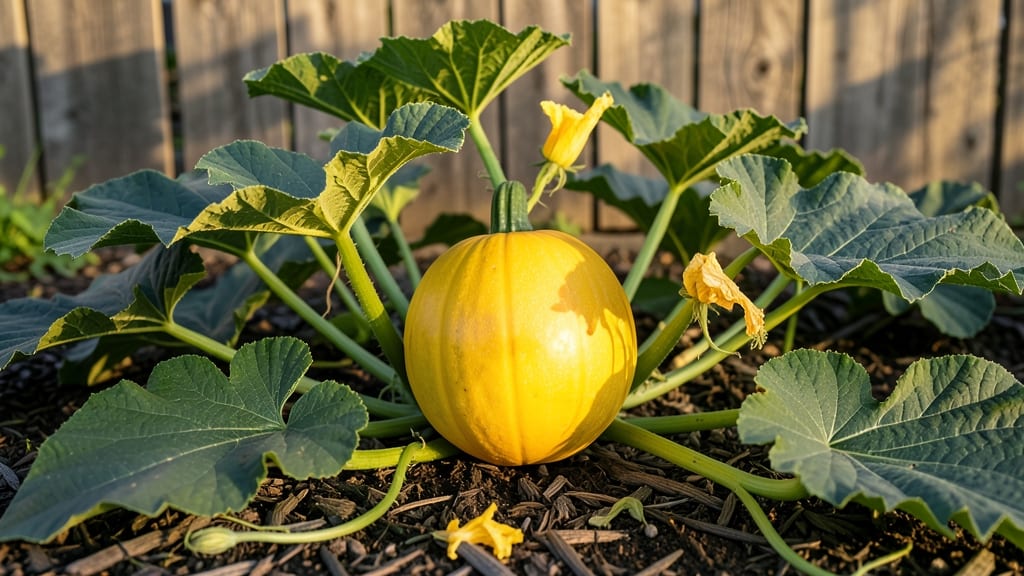
Growing round yellow zucchini squash changed how I garden in small spaces—these compact vines produce heavy harvests without taking over the yard. 🌱 The secret lies in their bushy growth habit, which turns even a 4'x4' patch into a zucchini powerhouse, perfect for balconies, raised beds, or tight corners.
Start with well-draining soil rich in compost, and plant seeds 1 inch deep after your last frost when soil reaches 60°F. Keep plants 2-3 feet apart—they’ll spread but stay contained.
Water at the base daily, avoiding wet leaves to prevent mildew, and watch those golden globes appear in just 45 days. Harvest when they’re 4-6 inches wide for the sweetest flavor.
📚 In This Guide
- What you need
- Instructions
- Tips and common mistakes
- Wrapping up and next steps
What you need
- ● Seeds or Seedlings: 3–5 round yellow zucchini seeds (or 2–3 young plants) – choose heirloom varieties like 'Eight Ball' or 'Gold Rush' for compact growth.
- ● Containers or Garden Beds: Containers: 5-gallon pots (1 per plant) with drainage holes, or
- ● Garden Beds: 3–4 ft wide rows (spaced 2–3 ft apart) in well-draining soil.
- ● Potting Mix or Soil: 1–2 bags of high-quality, organic potting mix or garden soil amended with compost (avoid heavy clay).
- ● Fertilizer: Balanced organic fertilizer (e.g., 10-10-10) or compost tea for nutrient boost.
- ● Watering Can or Hose: With a gentle spray nozzle for even moisture.
- ● Mulch: Straw or shredded leaves (1–2 inches) to retain moisture and suppress weeds.
- ○ Trellis or Cage (Optional):** Small tomato cages or stakes to support vines if needed.
- ● Sunlight: Full sun (6–8+ hours daily).
- ● Warmth: Soil temperature of at least 60°F (15°C) for germination.
- ● Spacious Roots: Zucchini squash needs room—avoid overcrowding!
- ● Patience: Germination takes 7–14 days; harvest in 45–55 days.
- ● 🌱 Start indoors: 2–3 weeks before last frost for a head start.
- ● 💧 Water consistently: Keep soil moist (1–2 inches deep) but avoid waterlogging.
- ● 🛡️ Pest control: Row covers or neem oil to deter squash bugs.
Step-by-step guide to growing round yellow zucchini in small spaces
Here's how I grow plump, sweet round yellow zucchini in containers or tight garden beds—no sprawling vines required.
🌱 Step 1: Choose the Right Variety and Planting Location
Look for compact bush varieties like 'Eight Ball' or 'Gold Rush'—these stay under 3 feet tall and produce round, 4-6 inch fruits perfect for small spaces. Plant in full sun (at least 6-8 hours daily) where soil drains well. I always test drainage by digging a 6-inch deep hole, filling it with water, and waiting to see if it drains within 30 minutes. Slow drainage leads to root rot, and zucchini hate soggy feet.
For containers, use 5-gallon pots—they give roots room to spread while keeping vines contained. If planting in ground beds, space plants 2-3 feet apart in rows 3 feet apart. The extra space prevents crowding, which stresses plants and reduces fruit quality. I mark planting spots with wooden stakes before digging to avoid misalignment.
💧 Step 2: Prepare Soil and Plant Seeds or Transplants
Zucchini thrive in rich, well-draining soil with a pH of 6.0-7.0. Mix in 2-3 inches of compost into the top 12 inches of soil before planting. I add a handful of balanced 10-10-10 fertilizer per planting hole to give seedlings a strong start. For containers, use high-quality potting mix blended with 20% perlite to improve aeration.
Sow seeds 1 inch deep, 2-3 seeds per hole (you'll thin later). If using transplants, bury them 1 inch deeper than their container level—this encourages stronger root growth. Water immediately after planting to settle soil around roots. Keep soil consistently moist (but not soggy) until germination, which takes 5-10 days in 70-85°F soil. You'll know it's working when tiny green shoots appear.
☀️ Step 3: Maintain Consistent Water and Fertilizer
Zucchini need 1-2 inches of water weekly, delivered at the base of plants (never overhead). I water deeply in the morning so leaves dry quickly—this prevents fungal diseases like powdery mildew. Mulch with 2-3 inches of straw to retain moisture and suppress weeds. The mulch also keeps soil 5-10°F cooler in summer, which prevents blossom-end rot.
Feed plants every 2-3 weeks with a liquid fertilizer (like 5-5-5) diluted to half strength. Stop fertilizing 2 weeks before harvest—too much nitrogen leads to leafy growth at the expense of fruit. Watch for yellowing leaves, which signal either overwatering or nutrient deficiency. Adjust care based on what you see: dry soil needs water; pale leaves need fertilizer.
✂️ Step 4: Harvest at Peak Ripeness for Best Flavor
Round yellow zucchini reach harvest size at 4-6 inches in diameter—that's when they're firm, glossy, and deep yellow. Use clean pruners or a sharp knife to cut stems, leaving ½ inch of stem attached to the fruit. Harvest every 2-3 days during peak production to encourage more blooms. I check plants morning and evening because they grow fast—waiting too long turns them tough and seedy.
Remove any overripe or misshapen fruits immediately—they drain energy from the plant. If vines get leggy, prune back by ⅓ after the first harvest to redirect energy to fruit production. You'll notice more compact growth and heavier yields within weeks. Store harvested zucchini in the fridge for up to 5 days or use them fresh in recipes.
🌿 Step 5: Extend the Season with Simple Care
To keep producing through summer, remove old leaves that shade new growth and thin crowded vines to improve airflow. If nights dip below 55°F, cover plants with frost cloth for a few extra weeks of harvest. In containers, move pots to a sheltered spot if frost threatens—zucchini are tender annuals and won't survive freezing temps.
At season's end, compost plant debris to recycle nutrients. Save seeds from your best fruits by scooping out the seed cavity, rinsing seeds, and drying them on a paper towel for 3-5 days before storing in an envelope. Next year, you'll have homegrown seed stock tailored to your climate. I always label my seed packets with the harvest year—trust me, you'll forget otherwise!
Tips & tricks for growing perfect round yellow zucchini
Here's what nobody tells you about maximizing your harvest with minimal space.
Variety Selection: While 'Eight Ball' and 'Gold Rush' are excellent choices, consider 'Gold Rush F1' for even more compact growth—it tops out at just 2 feet tall. I've found this variety produces slightly larger fruits (up to 7 inches) while still staying bushy. The key is choosing varieties bred for small spaces; regular zucchini varieties can grow 6 feet tall or more, making them impractical for containers or tight beds.
Container Hack: If you're using 5-gallon pots, add a handful of calcined clay hydroponic pellets to the bottom before adding potting mix. These pellets hold moisture like a sponge while improving aeration—perfect for zucchini roots. I've seen this extend the time between waterings by nearly 2 days during hot spells. Just make sure to pre-soak them for 24 hours before planting to activate their moisture-holding capacity.
Germination Boost: For faster germination (within the 5-10 day window), soak your seeds in lukewarm water for 6 hours before planting. This mimics natural rainfall and helps jumpstart the process. I also place a clear plastic dome or bag over the pots after planting to create a mini greenhouse effect—just remove it once sprouts appear to prevent mold. The 70-85°F soil temperature range is critical here; if your soil runs cooler, consider using a seedling heat mat.
Harvest Timing: The 4-6 inch size guideline is perfect for most recipes, but if you want extra tender zucchini for delicate dishes like ratatouille, harvest when they're 3-4 inches. I've noticed the flavor actually intensifies when harvested at this smaller size. For storage, leave the stems attached when refrigerating—they help maintain freshness for the full 5 days. If you're not using them immediately, you can also freeze sliced zucchini by blanching for 2 minutes first.
Pro Tips for Round Yellow Zucchini Squash
- Here's what nobody tells you about maximizing your harvest with minimal space.
- Variety Selection: While 'Eight Ball' and 'Gold Rush' are excellent choices, consider 'Gold Rush F1' for even more compact growth—it tops out at just 2 feet tall.
- Container Hack: If you're using 5-gallon pots, add a handful of calcined clay hydroponic pellets to the bottom before adding potting mix.
Frequently asked questions
Got questions about growing or using round yellow zucchini squash? You’re not alone! Here are answers to the most common queries to help you crush your harvest—even in tight spaces.
How do round yellow zucchini differ from regular zucchini?
Round yellow zucchini squash (like ‘Eight Ball’ or ‘Golden Zucchini’) are smaller, sweeter, and more compact than standard zucchini. Their round shape and golden hue make them ideal for roasting, grilling, or spiralizing. They also mature faster (45–55 days) and produce fewer seeds, so they’re perfect for small gardens or containers!
When is the best time to harvest round yellow zucchini?
Harvest when they’re 3–6 inches in diameter—smaller is sweeter! Check daily, as they grow rapidly. Use a sharp knife or pruners to avoid damaging the vine. Overgrown squash (larger than 6 inches) become seedy and tough. Pro tip: Pick in the morning for the freshest flavor and to encourage more production.
Can I grow round yellow zucchini in containers or small spaces?
These vines are bush-type and stay compact (3–4 feet wide). Use a 5-gallon container with drainage holes or plant in raised beds. Ensure they get 6–8 hours of sun daily. Just avoid overcrowding—space plants 2–3 feet apart for airflow and to prevent disease.
What’s the best way to store round yellow zucchini?
Store unwashed squash in a paper bag in the fridge for 5–7 days. For longer storage, freeze them raw (sliced or grated) or roast them first. Hot tip: Avoid washing until ready to use—moisture speeds up spoilage. If they soften, they’re past their prime!
Why are my round yellow zucchini squash turning yellow or spotted?
Yellowing can signal overripeness or powdery mildew (a fungal disease). Spots may mean bacterial wilt or aphids. Fix it by:
- Harvesting earlier next time.
- Improving airflow with pruning.
- Spraying neem oil or copper fungicide preventatively.
- Removing infected leaves/vines immediately.
Prevention tip: Keep soil moist (not soggy) and mulch to deter pests.
Wrapping up and next steps
Growing round yellow zucchini squash is a game-changer for small gardens—packing big flavors and yields into tiny spaces! 🌱 With the right soil, sunlight, and care, you’ll enjoy a bountiful harvest of sweet, versatile squash all season long.
Whether you’re a beginner or a seasoned gardener, these compact vines prove that big results don’t need big plots.
Ready to dig in? Start by planting your seeds or seedlings this spring and watch your harvest grow—literally! Next up: Mark your calendar for planting dates in your zone and grab those seeds. Happy gardening! 🌿