
Picking
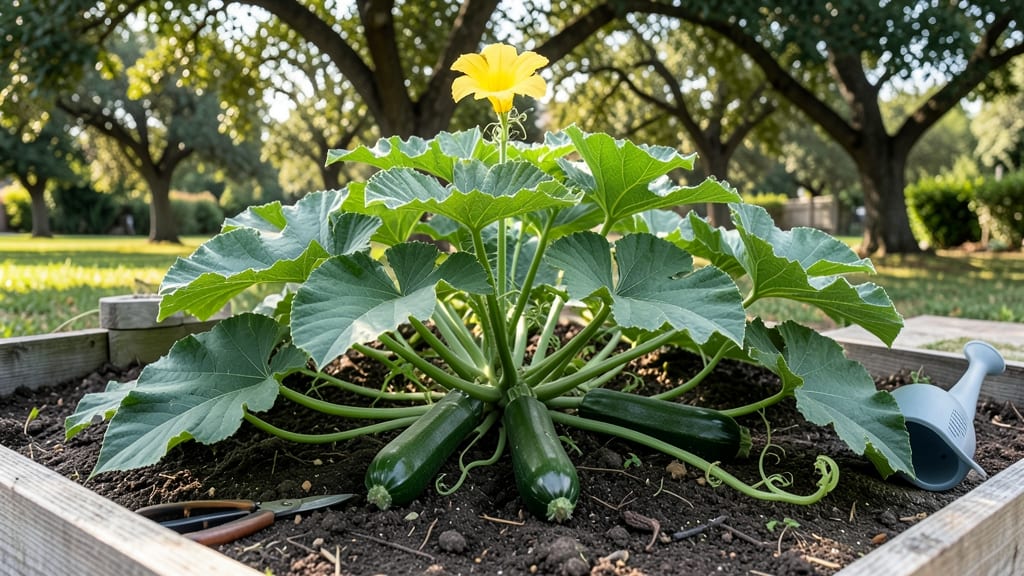
That yellowing patch for some squash say isn’t just ugly—it’s stealing your harvest. 🌱 I’ve seen this exact problem ruin entire beds, but the fix is simpler than you’d think: a mix of immediate action and smart prevention that works. in under an hour.
The culprit is usually squash vine borers or powdery mildew, both of which thrive in hot, humid weather. You’ll spot chewed stems, wilting leaves, or white powdery spots—all signs your plants are under attack. The good news? These fixes stop the damage fast and keep your vines productive.
Start by pruning infected leaves and applying neem oil (mix 1 tbsp per quart of water) to smother pests. For borers, wrap stems with aluminum foil to block egg-laying moths. Within 3-5 days, you’ll see new growth pushing through.
This works for zucchini, summer squash, and pumpkins—no matter how bad the patch looks. The key is acting before the problem spreads to healthy vines.
Root Causes Behind Wilted Vines
When your squash plants start showing signs of distress—like sagging vines, yellowing leaves, or sudden blossom drop—it’s often a cry for help from the roots. Understanding the underlying causes is the first step to reviving your plants and preventing future setbacks.
Below, we break down the most common reasons why your squash might be struggling, backed by science and actionable insights.
Squash plants thrive on consistent moisture, but their roots are surprisingly sensitive to fluctuations. Here’s why watering issues cause wilting and blossom drop:
- Underwatering: Squash vines have shallow, sprawling roots that absorb water quickly. When soil dries out—especially in hot weather—the plant can’t transport nutrients or maintain turgor pressure, leading to wilting. Blossoms may drop because the plant prioritizes survival over reproduction when stressed.
- Overwatering: While it seems counterintuitive, soggy soil suffocates roots by cutting off oxygen. This triggers root rot (often caused by Pythium or Phytophthora fungi), which disrupts nutrient uptake. Symptoms: Yellowing leaves, mushy stems, and a foul odor near the base.
- Inconsistent Watering: Squash roots need 1–2 inches of water per week, but irregular watering confuses the plant. It reacts by dropping flowers or producing small, deformed fruits as a survival tactic.
Actionable Fix: Water deeply at the base (not the leaves) early in the morning to reduce evaporation. Use a moisture meter or the "finger test" (stick your finger 2 inches into soil—if dry, water). For containers, ensure pots have drainage holes.
Squash plants are warm-season crops, meaning they have a narrow comfort zone. Extreme temperatures—whether heatwaves or chilly nights—disrupt their metabolic processes, leading to wilting and blossom drop.
- Heat Stress (Above 90°F/32°C):
- High temperatures inhibit pollen production in male flowers, causing them to drop before fertilizing female flowers (the ones that turn into squash).
- Leaves may curl or scorch (brown edges) due to transpiration outpacing water absorption.
- Soil-borne diseases like Fusarium wilt thrive in overheated soil.
- Cold Stress (Below 50°F/10°C):
- Chilly nights slow nutrient uptake, causing vines to wilt and blossoms to abort.
- Frost damage kills tissue, leading to blackened leaves and stunted growth.
- Young plants are especially vulnerable; they may fail to establish roots in cool soil.
Actionable Fix:
- For heat: Use shade cloth (30–50%) during peak afternoon sun. Mulch with straw to keep roots cool.
- For cold: Protect plants with row covers or move containers to a sheltered spot. Avoid planting until soil reaches 60°F (15°C).
Pests and pathogens often go unnoticed until your squash plants are already weakened. Here’s how they sabotage growth:
| Culprit | How It Attacks | Tell-Tale Signs |
|---|---|---|
| Squash Vine Borers (larvae) | Larvae tunnel into stems, cutting off water/nutrients. Adults lay eggs on stems. | Wilting vines, sawdust-like frass near entry holes, chewed stems. |
| Powdery Mildew (fungus) | Coats leaves with a white powdery film, blocking sunlight and clogging pores. | White patches on leaves, stunted growth, premature blossom drop. |
| Cucumber Beetles (pests) | Feed on leaves and transmit bacterial wilt (a deadly vascular disease). | Holey leaves, yellowing veins, wilted vines (often irreversible). |
| Root-Knot Nematodes | Microscopic worms penetrate roots, forming galls that disrupt water absorption. | Stunted plants, yellowing leaves, poor fruit set (common in reused soil). |
Actionable Fix:
- For borers: Wrap stems with cardboard collars at planting. Handpick larvae (they’re green with brown heads).
- For mildew: Spray leaves with a baking soda mix (1 tsp baking soda + 1 quart water + a drop of soap) weekly.
- For beetles: Use yellow sticky traps or apply neem oil (follow label instructions).
- For nematodes: Solarize soil in summer or plant marigolds as a trap crop.
Squash plants are heavy feeders, and deficiencies in key nutrients can mimic water stress, leading to wilting and blossom drop. Here’s what’s missing and why:
- Nitrogen (N) Deficiency:
- Leads to pale, yellow leaves (chlorosis), starting with older leaves.
- Weakens vines, making them susceptible to wilting under stress.
- Potassium (K) Deficiency:
- Causes yellowing leaf edges (scorching) and weak stems.
- Reduces the plant’s ability to regulate water, leading to wilting and blossom drop.
- Calcium (Ca) Deficiency:
- Results in blossom end rot (for fruits) and weak cell walls, causing vines to collapse.
- Common in cool, wet soils where calcium uptake is poor.
- Magnesium (Mg) Deficiency:
- Shows as interveinal yellowing (between leaf veins).
- Disrupts photosynthesis, weakening the plant’s energy reserves.
Actionable Fix: Conduct a soil test to identify deficiencies. In the meantime:
- For dry soil: Water deeply at the base of the plant (not the leaves) in the early morning. Aim for 1–1.5 inches of water per week, including rainfall.
- For overwatered soil: Let the soil dry out slightly between waterings. Improve drainage by adding compost or perlite to heavy clay soil.
- If frost or cool nights are the issue, use row covers or black plastic mulch to warm the soil.
- For early spring or late fall plantings, choose heat-tolerant varieties like ‘Black Beauty’ or ‘Straightneck Yellow Summer Crookneck.’
- Holes or sawdust-like frass (squash vine borers)
- White powdery coating (powdery mildew)
- Yellowing leaves with black spots (bacterial wilt)
- For vine borers: Wrap the base of young plants with aluminum foil to deter egg-laying. Handpick larvae or use Bt (Bacillus thuringiensis) spray.
- For mildew: Spray plants with a baking soda solution (1 tsp baking soda + 1 quart water + a drop of dish soap) every 7–10 days.
- For bacterial wilt: Remove and destroy infected plants immediately to prevent spread.
Quick fixes for wilted vines & dropping flowers
When your squash plants start showing signs of stress—like drooping vines or blossoms falling off before fruiting—it’s time to take action. The good news? Most of these issues have straightforward fixes, and with a little care, your plants can bounce back stronger than ever.
Below, we’ve broken down the most common causes and the easy, practical steps to revive your squash patch. Plus, we’ll share pro tips to keep your plants thriving long-term.
Squash plants are sensitive to moisture imbalances. Too little water causes wilting, while too much can lead to root rot and blossom drop. Here’s how to diagnose and fix it:
🔥 Step 1: Check the Soil Moisture
Stick your finger about 1–2 inches into the soil. If it’s dry, your plant needs water. If it’s soggy, hold off on watering and focus on drainage.
🍳 Step 2: Water Deeply and Consistently
💡 Prevention Tip: Use mulch!
Spread a 2–3 inch layer of straw or shredded leaves around the base of your plants to retain moisture, regulate soil temperature, and reduce evaporation. Bonus: Mulch also suppresses weeds, which compete for water.
Squash plants love warmth and sunlight, but extreme heat or cold can shock them into dropping blossoms or wilting. Here’s how to adjust:
🔥 Step 1: Provide Shade During Heatwaves
If temperatures soar above 90°F (32°C), use shade cloth (30–50% coverage) to protect plants from scorching. Focus on afternoon shade when the sun is harshest.
🍳 Step 2: Extend the Growing Season
💡 Prevention Tip: Plant at the right time!
Wait until the soil is at least 60°F (15°C) before transplanting seedlings. Cold soil slows root growth, making plants more susceptible to stress. Use a soil thermometer to check!
Nutrient deficiencies—especially lack of nitrogen, phosphorus, or potassium—can weaken vines and cause blossoms to drop. Here’s how to diagnose and fix them:
🔪 Step 1: Identify the Deficiency
Check your plants for these signs:
| Symptom | Likely Cause | Quick Fix |
|---|---|---|
| Yellow leaves (especially older ones) | Nitrogen deficiency | Apply a balanced fertilizer (10-10-10) or compost tea. |
| Purple or dark green leaves | Phosphorus deficiency | Use bone meal or a phosphorus-rich fertilizer (5-10-10). |
| Weak stems, yellow edges on leaves | Potassium deficiency | Add wood ash or a potassium sulfate fertilizer. |
🍳 Step 2: Feed Your Plants Right
Squash plants are heavy feeders. Mix compost or well-rotted manure into the soil before planting, and side-dress with a low-nitrogen fertilizer (like 5-5-5) when flowers appear. Avoid over-fertilizing with nitrogen—it can lead to blossom end rot in fruits.
💡 Prevention Tip: Test your soil!
Before planting, get a soil test kit (available at garden centers) to check pH and nutrient levels. Squash prefers a pH of 6.0–7.0. Amend the soil with lime (to raise pH) or sulfur (to lower it) as needed.
Pests like squash vine borers and diseases like powdery mildew can stress plants, leading to wilting and blossom drop. Here’s how to protect your patch:
🔥 Step 1: Inspect Plants Regularly
Check the undersides of leaves and stems for:
🍳 Step 2: Use Organic Controls
💡 Prevention Tip: Rotate crops!
Plant squash in a different spot every year to prevent soil-borne diseases from building up. Avoid planting in the same family (cucurbits) for at least 3 years.
If your squash flowers aren’t turning into fruit, they might not be pollinating properly. Squash rely on bees, but you can give them a helping hand:
👨🍳 Step 1: Identify Male and Female Flowers
Male flowers grow on long stems and have no bulb at the base. Female flowers have a tiny squash (the bulb) behind the blossom.
🍳 Step 2: Pollinate by Hand
On a dry morning, use a paintbrush or cotton swab to transfer pollen from male flowers to the female flowers. Focus on the stigma (the hairy part inside the female flower). Do this for 2–3 consecutive days to ensure pollination.
💡 Prevention Tip: Attract pollinators!
Plant bee-friendly flowers like marigolds, sunflowers, or basil near your squash patch. Avoid using pesticides that harm bees, especially during blooming
Frequently asked questions
Why does my squash plant suddenly develop yellow patches?
Yellow patches on squash leaves usually signal powdery mildew or nutrient deficiencies. Powdery mildew appears as white, powdery spots that turn yellow over time. For deficiencies, check for nitrogen (yellow older leaves) or magnesium (yellow between veins). Treat mildew with a baking soda spray (1 tsp baking soda + 1 quart water + soap) and fertilize with compost or a balanced fertilizer.
How do I tell if my squash plant has squash vine borers?
Look for wilting vines, sawdust-like frass (larvae droppings) near the stem base, or small holes in the stem. If you split open a stem, you might see a green larva inside. Wrap stems with aluminum foil at planting to block egg-laying moths, and handpick larvae when you spot them.
What should I do if my squash blossoms keep dropping?
Blossom drop often happens due to heat stress, poor pollination, or watering issues. For heat stress, use shade cloth during peak sun. Hand-pollinate flowers by transferring pollen from male to female flowers with a paintbrush. Ensure consistent watering (1–2 inches per week) and avoid overwatering, which can cause root rot.
Can I save a squash plant with root rot?
Root rot is often fatal, but you can try saving the plant by pruning affected roots and repotting in fresh, sterile soil with good drainage. Remove all infected soil and sterilize pots. Apply a fungicide like copper fungicide or neem oil to prevent further spread. If the plant is already too weak, focus on saving nearby healthy plants.
How often should I fertilize squash plants?
Fertilize squash plants every 3–4 weeks with a balanced fertilizer (like 10-10-10) or compost tea. Avoid high-nitrogen fertilizers, which can cause excessive leaf growth at the expense of fruit production. Side-dress with compost when flowers appear to support fruit development. Always water after fertilizing to prevent root burn.