
Picking
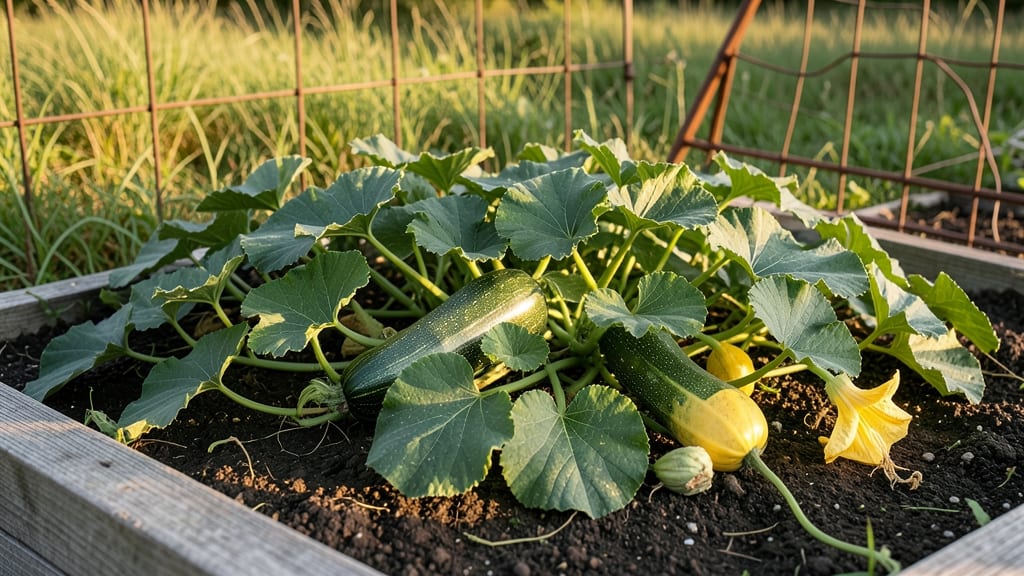
Your first organic summer squash harvest could be just 30 days away—if you know the exact moment to pick. 🌱 I’ve grown summer squash for years, and the difference between mealy, seedy squash and the tender, sweet varieties you’ll want comes down to timing and organic care from day one.
The secret isn’t complicated: healthy soil, consistent watering, and watching for those telltale size cues (3-6 inches long, smooth skin) make all the difference. Most gardeners overlook soil prep—adding compost and natural fertilizer at planting sets the stage for vigorous growth and fewer pests.
Even the pickiest eaters will love the results. By harvest time, you’ll be snipping squash daily, storing them in the fridge for 5-7 days of crisp, flavorful eating. The key is keeping them cool and dry—no soggy bottoms or bitter flavors.
I’ve learned that the right timing turns a garden full of squash into a kitchen full of meals. Works for zucchini, yellow squash, and pattypan varieties alike. Here’s how to grow them organically from start to storage—no synthetic shortcuts needed.
Why Summer Squash Spoils Prematurely
Harvesting summer squash at the perfect moment is just the first step—if you don’t understand the science behind its rapid decline, even the freshest produce can turn mushy or bitter within days. Here’s why it happens, broken down by the most common (and often overlooked) causes.
Summer squash, like many vegetables, is highly sensitive to temperature swings. When stored in conditions that are too warm (above 60°F/15°C), enzymes in the squash accelerate, breaking down cell walls and causing softening, discoloration, or even mold.
Conversely, too cold (below 50°F/10°C) triggers chilling injury, leading to pitting, water-soaked spots, and a loss of flavor.
Why it matters:
- Ethylene gas (a natural plant hormone) builds up faster in warm, enclosed spaces, speeding up ripening and spoilage.
- Moisture condensation from temperature shifts creates the perfect environment for bacterial and fungal growth.
- Organic squash, with its thinner skin, is even more vulnerable to these extremes than conventional varieties.
Actionable fix: Store squash in a cool, dark place (50–55°F/10–13°C)—like a root cellar or refrigerator’s crisper drawer—with good airflow to prevent condensation.
Summer squash has a high water content (about 90%), but too much humidity or direct moisture exposure turns it into a science experiment gone wrong. When squash sits in damp conditions, its skin softens and absorbs water, leading to:
- Rot (from bacterial or fungal infections like Botrytis cinerea, the same culprit behind gray mold).
- Slimy texture (a sign of Pseudomonas bacteria thriving in excess moisture).
- Premature wilting (as cells lose structural integrity).
Why it matters:
Organic squash, often grown in soil with higher microbial activity, is more susceptible to moisture-related spoilage because beneficial microbes can also turn harmful if conditions are right.
Actionable fix:
- Pat squash thoroughly dry before storing—don’t just wipe it!
- Avoid plastic bags (they trap moisture). Instead, use paper towels or breathable fabric in the crisper drawer.
- If storing long-term, blanch and freeze (seeps prevent moisture buildup).
Summer squash releases ethylene gas as it ripens, but it’s also highly sensitive to ethylene from other produce. This gas acts like a chemical time bomb, triggering:
- Faster softening (ethylene breaks down pectin in cell walls).
- Bitter or off flavors (as starches convert to sugars too quickly).
- Premature yellowing or spotting (a sign of stress-induced decay).
Why it matters:
Ethylene is 20 times more potent in warm conditions, so even a small amount from nearby fruits (like apples or bananas) can ruin a week’s worth of squash in days.
Actionable fix:
- Store squash away from ethylene producers (keep apples, tomatoes, and onions in separate drawers).
- Use ethylene absorbers (like a small bowl of baking soda or commercial kits) in the storage area.
- Harvest squash young and firm—mature squash releases more ethylene.
Even minor bruises or cuts on summer squash create entry points for pathogens and trigger rapid cellular breakdown. When squash is dropped, bumped, or cut improperly:
- Enzymes like polygalacturonase flood damaged cells, liquefying tissue within 24–48 hours.
- Secondary infections (like Erwinia bacteria) exploit wounds, causing soft rot.
- Skin tears expose the flesh to oxidation, turning it brown and unappetizing.
Why it matters:
Organic squash, often handled more frequently during harvest and transport, is more prone to bruising because it lacks the protective wax coatings of conventional varieties.
Actionable fix:
- Handle squash gently—support the base, not the stem.
- Use a sharp knife for cutting (dull blades crush cells, accelerating spoilage).
- Inspect squash before storing—discard any with soft spots or punctures.
Understanding these triggers lets you extend summer squash’s shelf life from days to weeks. The key? Control temperature, moisture, and handling—like a scientist in your kitchen!
Fixing Common Harvesting Mistakes
Now that you know the root causes behind wilted, underripe, or overripe summer squash, let’s tackle these issues with practical, foolproof solutions. Whether you’re dealing with premature wilting, uneven ripeness, or storage mishaps, these fixes will help you salvage your harvest—and prevent future problems.
Cause: Overwatering, improper harvesting, or heat stress. Fix It Fast:
- Trim damaged vines 🔪 with clean shears to redirect energy to healthy growth.
- Move plants to partial shade ☀️🌳 if temperatures exceed 90°F (32°C) to slow wilting.
- Water deeply but less often 💧—aim for 1–1.5 inches per week, avoiding soggy soil.
Prevention Tips: ✅ Harvest at peak ripeness (firm, glossy skin, 6–8 inches long) to avoid stress. ✅ Use mulch (straw or grass clippings) to retain moisture and regulate soil temp. ✅ Pick in the morning when moisture levels are highest, reducing shock.
Cause: Inconsistent sunlight, overcrowded plants, or delayed picking. Fix It Fast:
- Thin crowded vines 🌱➡️🌿—remove excess squash to let remaining ones mature evenly.
- Rotate plants weekly 🌀 to ensure all sides get sunlight.
- Hand-pollinate 🐝 (gently shake flowers or use a paintbrush) if bees are scarce.
Prevention Tips: 💡 Plant in succession—stagger sowing by 2 weeks for a continuous, even harvest. 🌡️ Monitor soil temps—ideal range is 60–70°F (15–21°C) for consistent growth. 🎯 Check daily—summer squash ripens in 45–55 days; don’t wait too long!
Cause: High humidity, ethylene gas buildup, or improper handling. Fix It Fast:
- Store at room temp (50–55°F / 10–13°C) for up to 1 week in a paper bag 📦 (breathable but traps ethylene).
- Refrigerate only if needed 🧊—cold speeds up decay; use within 3–5 days.
- Remove bruised spots 🩹 immediately to prevent rot from spreading.
Prevention Tips: ✨ Harvest with care—use a knife or pruners to avoid tearing skin. 🔥 Avoid washing before storage—moisture = mold risk. Rinse just before using. 🍎 Separate from ethylene producers (apples, tomatoes) to slow ripening.
Pro Tip: 💡 Freeze extras! Slice squash, blanch for 3 mins, then freeze in ziplock bags for soups or stir-fries later.
Cause: Missed harvest window or insect damage (squash bugs, cucumber beetles). Fix It Fast: - Cook immediately 🍳—overripe squash is still edible!
Roast, grill, or blend into sauces. - Spray neem oil 🌿 (1 tsp per quart of water) to deter pests; reapply every 5–7 days. - Remove affected leaves 🍃—drop them in soapy water to break pest cycles.
Prevention Tips: 🛡️ Use row covers early in the season to block pests. 🕵️ Inspect plants weekly—early detection = easier control. 🌱 Rotate crops yearly to starve soil-borne pests.
Remember: Summer squash is forgiving—even "ugly" ones taste great! Focus on timely harvesting, proper storage, and pest vigilance to keep your garden bountiful. 🌱💚
Frequently asked questions about organic summer squash
How do I know when organic summer squash is truly ripe?
Look for squash that’s 3-6 inches long with smooth, glossy skin and a firm texture when gently squeezed. The stem should still be green and attached—once it turns brown, the squash is past its prime. For zucchini, harvest when they’re 6-8 inches long.
Can I grow organic summer squash in containers?
Use a container that’s at least 12 inches deep and 18 inches wide per plant. Choose bush varieties like 'Eight Ball' or 'Patio Star' which stay compact. Ensure good drainage and provide 1-2 feet of space between plants for airflow.
What’s the best organic fertilizer for summer squash?
Use a balanced organic fertilizer like fish emulsion (1-2 tablespoons per plant) or compost tea every 2-3 weeks during growing season. For a boost, mix in worm castings at planting time. Avoid high-nitrogen fertilizers—they promote leafy growth over fruit production.
How long can I store freshly harvested organic summer squash?
Store at room temperature (50-55°F) for up to 1 week in a paper bag with good airflow. For longer storage, refrigerate (up to 5 days) or blanch and freeze. Never wash before storing—moisture causes rot!
Why are my organic summer squash flowers not producing fruit?
This usually happens due to poor pollination—either from lack of bees or environmental stress. Try hand-pollinating by gently shaking plants or using a small paintbrush. Ensure plants get full sun (6-8 hours daily) and consistent watering—drought stress can prevent flowering.