
Picking
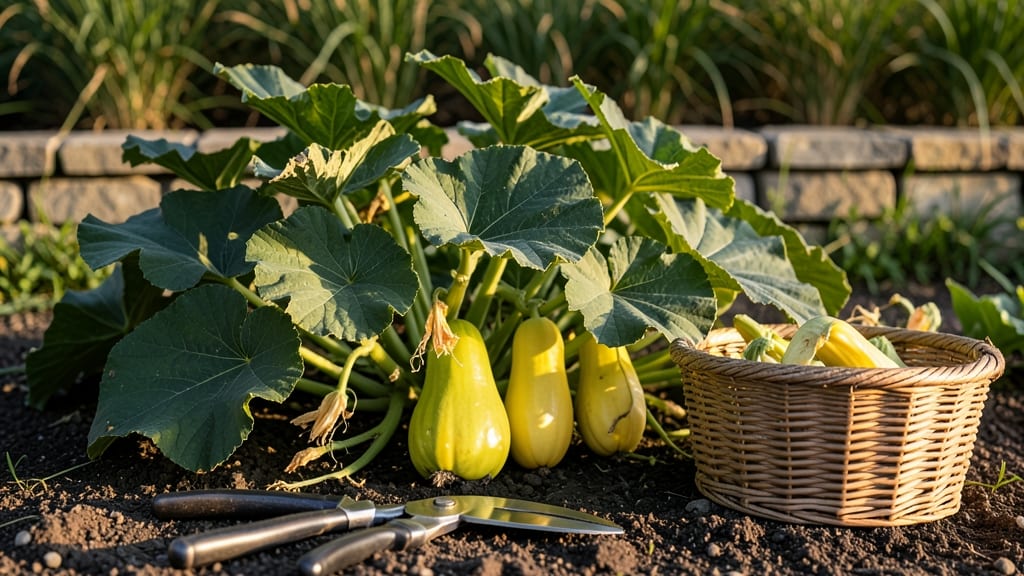
Growing lemon summer squash that tastes like sunshine isn’t luck—it’s timing. 🌿 The secret lies in harvesting at just the right moment, when the skin is still tender and the flavor pops like a fresh summer breeze.
I’ve learned that waiting too long turns those bright yellow beauties into tough, seedy disappointments, but get it right, and you’ll be snipping squash straight from the vine for salads, sautés, and grilling all season long.
These squash thrive in warm soil and full sun, so start seeds after your last frost when nighttime temperatures stay above 50°F. They love rich, well-draining soil mixed with compost—think of it as giving them a nutrient-packed foundation.
Water consistently but avoid soggy roots, and watch for squash bugs or powdery mildew by keeping the foliage dry and healthy. The payoff? A vine that can produce 5-10 pounds of squash over 6-8 weeks if you stay on top of harvesting.
Here’s the magic: harvest when the squash is 6-8 inches long, with skin you can pierce easily but not too thin. Use a sharp knife or pruners to avoid damaging the vine, and pick every other day to encourage more production.
Store them in a cool, dark place for up to a week, or pop them in the fridge for freshness. The flavor? Bright, zesty, and impossible to resist—just like the first bite of summer.
Pair them with basil and tomatoes for a classic trio, or try them with herbs like dill or chives to boost their natural sweetness. Even in cooler climates, a black plastic mulch or row cover can extend the season.
The key is staying ahead of the vine’s pace—once it starts slowing down, you’ll know it’s time to save seeds or pull up the plants for compost.
📚 In This Guide
- What you need
- Instructions
- Tips and common mistakes
- Wrapping up and next steps
What you need
- ● Harvesting tools: A sharp pruning shears or harvest knife (for clean cuts without damaging the vine)
- ● A garden basket or mesh produce bag (to prevent bruising)
- ○ Safety gear: Garden gloves (optional but recommended for prickly vines)
- ● Sunscreen and hat (for outdoor comfort)
- ● Harvesting day essentials: Water spray bottle (to rinse off dirt)
- ● Small notebook or phone (to track harvest dates)
- ● A digital scale (to weigh squash for size consistency)
- ● Food-safe storage containers (for post-harvest refrigeration)
- ● A marking pen (to label varieties if growing multiple types)
- ● Compost bin (for trimming scraps)
How to harvest lemon summer squash at perfect ripeness
Here's the foolproof method I use to get squash so tender and sweet they disappear from the kitchen faster than you can say "zucchini bread."
🌱 Step 1: Identify the Right Variety and Planting Conditions
Lemon summer squash thrives in full sun (6-8 hours daily) and well-draining soil with a pH of 6.0-7.0. I plant seeds 1 inch deep, spacing them 2-3 feet apart in rows 3-4 feet apart to give vines room to sprawl. The first yellow blooms appear in about 50-60 days, followed by tiny squash within 10-14 days after pollination.
Watch for light green, bumpy fruit about the size of a tennis ball—this is your first harvest window. The key is consistency: check plants every 2-3 days once they start producing. If you miss this window, squash grow fast and quickly turn tough and seedy.
☀️ Step 2: Master the Harvest Timing and Technique
Harvest lemon squash when they're 6-8 inches long and their skin is still tender enough to pierce with your thumbnail. I use clean, sharp pruning shears to cut the stem 1/4 inch above the fruit—this prevents damage to the vine and speeds regrowth. Never twist or pull squash; you'll tear the plant and invite rot.
Morning harvests are best because squash are cooler and firmer. Place them in a shady, well-ventilated spot for a few hours before storing to let any surface moisture dry. This prevents the skin from softening too quickly. You'll know they're perfect when the rind is smooth and the flesh yields slightly when gently squeezed.
💧 Step 3: Store and Use for Maximum Freshness
Store harvested squash in a single layer in the refrigerator's crisper drawer, where they'll keep for 5-7 days. I avoid stacking them because ethylene gas (released as they ripen) causes bruising and spoilage. For longer storage, wrap each squash in a paper towel to absorb excess moisture and extend shelf life by 2-3 days.
Use squash within 3-4 days of harvest for peak flavor and texture. Sauté, roast, or spiralize them while still firm—they're at their sweetest and most tender. If you notice the skin turning dull or the flesh feeling spongy, it's time to cook them up before they go bad.
✂️ Step 4: Encourage Continuous Production
After harvest, pinch off any developing squash that's larger than 4 inches—this redirects the plant's energy to producing more small, tender fruit. I also fertilize with a balanced 10-10-10 mix every 3-4 weeks to keep vines vigorous. Water deeply 1 inch per week, focusing on the base of the plant to avoid wetting leaves (which spreads disease).
Watch for new flowers and tiny squash forming within 7-10 days of harvest. The plant will produce 2-3 harvests per season if you stay on top of picking and care. Real talk: if you let squash grow past 8 inches, the plant will slow down production and focus on making fewer, larger fruit.
Tips & tricks for perfect lemon summer squash harvests
These little-known tricks will help you turn your garden into a squash-producing machine—without the bitterness or toughness that ruins so many harvests.
Timing is Everything: The 2-3 day check frequency in Step 1 is non-negotiable once your plant starts flowering. I learned this the hard way after letting squash grow past 8 inches—suddenly they were tough, seedy, and bitter. Set a phone reminder if you need to! The 6-8 inch window is your sweet spot for peak tenderness.
Harvest Technique That Changes Everything: That 1/4 inch cut above the stem in Step 2 might seem picky, but it makes all the difference. Twisting or pulling creates wounds that invite rot and disease. I keep a small pair of pruning shears dedicated just to squash harvesting—it's worth the investment for a clean cut every time.
Storage Wisdom: The single-layer storage in Step 3 isn't just about organization—it's about preventing ethylene gas buildup. I've seen squash go from perfect to mushy in 24 hours when stacked. That paper towel trick for longer storage? It works because it mimics the natural drying process that happens when squash ripen on the vine.
Pro Tips for Lemon Summer Squash
- These little-known tricks will help you turn your garden into a squash-producing machine—without the bitterness or toughness that ruins so many harvests.
- Timing is Everything: The 2-3 day check frequency in Step 1 is non-negotiable once your plant starts flowering.
- Harvest Technique That Changes Everything: That 1/4 inch cut above the stem in Step 2 might seem picky, but it makes all the difference.
Frequently asked questions
Got questions about lemon summer squash? You’re not alone!
Here are answers to the most common queries from gardeners and home cooks alike—so you can harvest, prep, and enjoy these zesty gems with confidence.
How do I know when lemon summer squash is truly ripe?
Look for a vibrant, bright yellow-orange hue and a firm but slightly soft skin when pressed gently. The size should be about 6–8 inches long, with a smooth, unblemished surface. Pro tip: Smell the blossom end—ripe squash has a sweet, floral aroma!
How long can I store harvested lemon summer squash?
Store them in a cool, dry place (like a pantry) for 1–2 weeks or refrigerate for up to 3 weeks. Avoid cutting them until ready to use—they oxidize quickly! For longer storage, try freezing cooked or sliced squash in airtight containers.
Can I substitute lemon summer squash for zucchini in recipes?
Their mild, slightly sweet flavor makes them a perfect 1:1 swap. However, lemon squash has a firmer texture, so it holds up better in grilling or roasting. Try it in fritters, soups, or even as a pasta substitute for a zesty twist!
What should I do if my squash develops soft spots or mold?
Soft spots or mold mean it’s past its prime—discard it immediately to avoid spreading rot. To prevent issues, harvest regularly and ensure good airflow in your garden. If pests are the culprit, handpick squash bugs or use row covers for protection.
How do I revive wilted or limp lemon summer squash?
If the squash is still firm but looks droopy, submerge it in ice water for 10–15 minutes to crisp it up. For minor wilting, place it in the fridge for a few hours. Avoid overcrowding in storage—this speeds up spoilage!
Wrapping up and next steps
Lemon summer squash is a gardener’s dream—bursting with flavor, easy to grow, and packed with versatility! 🌿 By mastering the right timing, proper tools, and gentle handling, you’ll harvest squash that’s tender, vibrant, and full of zing.
Whether you’re a seasoned grower or a curious beginner, these secrets will elevate your harvest game.
Now that you’re armed with the know-how, grab those gloves and head to the garden! Try experimenting with recipes—grilled, roasted, or spiralized—this summer. Happy harvesting! 🍋✨