
Vegetables
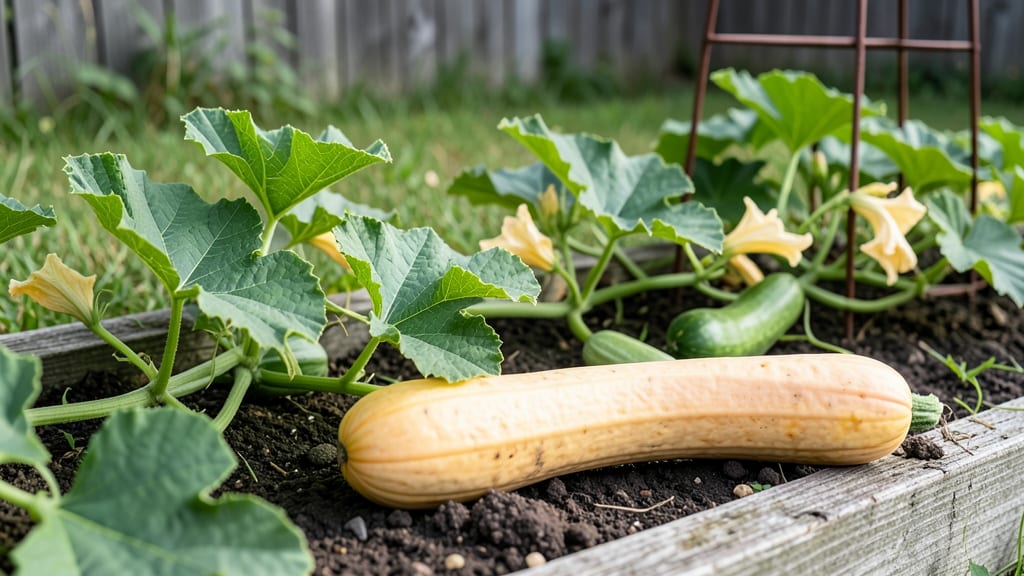
Spaghetti squash does not ripen off the vine—once picked, its texture and flavor stop improving and may even decline.
If you’ve ever wondered whether spaghetti squash continues to mature after being picked—or how to ensure that perfect, pasta-like texture—you’re not alone. This hardy vine plant behaves differently than its cucurbit cousins, and mastering its ripening secrets can mean the difference between a disappointing harvest and a showstopping dinner.
Unlike tomatoes or peppers, spaghetti squash 🎃 relies on the vine for its final maturation stage. The moment you cut it from the plant, its development halts—no amount of ethylene gas or warm countertop storage will reverse that.
But knowing the right signs of maturity (a dull, hard rind and a browned stem) ensures you harvest at peak quality.
Here’s what you need to know: how to spot true ripeness, when to pick for ideal flavor, and why leaving it on the vine too long can backfire. Let’s break it down so your next harvest delivers that ideal al dente texture every time.
How spaghetti squash ripens after harvesting: the science behind off-vine maturation
Spaghetti squash is one of those fascinating vegetables where the post-harvest ripening process can feel like a mystery. Unlike cucumbers or zucchini, which are typically harvested before full ripeness for best texture, spaghetti squash behaves differently. The good news?
It does continue to mature off the vine, but only under the right conditions. Understanding how ethylene gas and temperature interact with your squash can help you achieve that coveted tender, stringy interior we all love.
Many gardeners assume that once a spaghetti squash is picked, it stops ripening entirely. However, the reality is more nuanced. While it won’t ripen as dramatically as a tomato or avocado, it will still undergo subtle changes in texture and sweetness when stored properly.
The key lies in how you handle it after harvest—whether you leave it on the vine longer or bring it inside to finish maturing. Let’s break down the science and practical steps to get it just right.
🌱
| Ripening Factor | On the Vine | Off the Vine | Ideal Outcome |
|---|---|---|---|
| Ethylene Exposure | High (natural production) | Low (unless stored with ethylene sources) | Tender, stringy texture |
| Temperature | Warm (60-80°F) | 50-60°F (cool, dry) | Slower, controlled ripening |
| Rind Color | Dull, hard (ready to pick) | May darken slightly | No major change needed |
| Stem Condition | Dries to brown | Stays dry, may shrivel | Indicates maturity |
| Interior Texture | Firm but starting to soften | Becomes tender with time | Perfect "spaghetti" strands |
The ethylene gas produced by the squash itself is what drives ripening, whether it’s on or off the vine. On the vine, ethylene levels are naturally higher, which is why some gardeners prefer to leave squash attached until the vines yellow and die back.
However, once picked, the ripening process slows dramatically unless you introduce more ethylene. This is why storing spaghetti squash near other ethylene-producing fruits, like apples or bananas, can help speed up the softening process indoors.
Temperature plays a critical role in off-vine ripening. Spaghetti squash prefers cool, dry conditions between 50-60°F to mature properly. Storing it in a dark, well-ventilated space, like a pantry or basement, mimics these ideal conditions.
Avoid refrigerating it immediately after harvest, as the cold can halt ripening and make the flesh grainy. Instead, let it sit at room temperature for 1-2 weeks to soften naturally.
One common misconception is that rind color alone determines ripeness. While a dull, hard rind is a good sign, the stem condition is equally important. A dried, brown stem indicates the squash is ready to be picked or stored.
If you harvest too early, the squash may never develop that tender, stringy interior we all crave. On the flip side, leaving it too long on the vine can lead to overripeness, where the flesh becomes mushy and less flavorful.
For optimal results, I recommend harvesting spaghetti squash when the rind is dull and hard, the stem is brown and dry, and the vines have started to yellow. Once picked, store it in a cool, dark place for 1-2 weeks to allow it to finish ripening off the vine.
This two-step process—vine ripening followed by off-vine conditioning—ensures the best possible texture and flavor.
If you’re impatient and want to speed up the process, you can place the squash in a paper bag with an apple for a few days. The apple releases ethylene, which will help soften the squash faster.
Just be careful not to overdo it, as too much ethylene can lead to overripeness and spoilage. The goal is to find that sweet spot where the squash is perfectly tender but still holds its shape when cooked.
Finally, always check the squash for soft spots or mold before storing. These are signs that the squash is already overripe or spoiling.
A good rule of thumb is to cut one open if you’re unsure—if the seeds are hard and the flesh is bright orange and firm, it’s ready to eat
Best practices for harvesting spaghetti squash: when to pick for ideal flavor and texture
Harvesting spaghetti squash at the right moment ensures that signature tender, pasta-like strands you love. Unlike some squash varieties, spaghetti squash does not ripen significantly off the vine, so timing is everything.
The key is watching for visual cues that indicate peak ripeness—typically 80 to 110 days after planting, depending on your climate.
Start by checking the rind color and texture. When fully ripe, the skin will turn from green to a dull, matte yellow-orange, and it should feel hard and thick when pressed.
Avoid harvesting when the rind is still shiny or soft, as this means it’s underripe and will lack that perfect texture.
Next, examine the stem and vine. A ripe spaghetti squash will have a dry, brown stem that easily detaches from the vine. The vines themselves should begin to yellow and die back, signaling the plant is redirecting energy to the squash.
If the stem is still green or the vines are lush, wait a few more days.
Here’s the critical part: harvesting too early results in a squash that’s grainy and tough, while harvesting too late can make the flesh stringy and less flavorful. The ideal window is when the squash is heavy for its size—this indicates it’s filled out with sweet, edible pulp.
⚠️ Spaghetti Squash Ripens Off the Vine?
No—spaghetti squash does NOT ripen well off the vine. While it won’t rot immediately, its texture and flavor degrade quickly once picked. For the best results, harvest when fully mature and store properly to preserve quality. Off-vine ripening can lead to grainy, fibrous strands instead of the silky texture you crave.
Once harvested, store spaghetti squash in a cool, dry place—ideally between 50°F and 55°F (10°C–13°C). Avoid refrigeration until you’re ready to use it, as cold temperatures can break down the cell structure, making the flesh mushy.
With proper storage, a ripe squash can last 1 to 3 months, depending on humidity levels.
For the best flavor and texture, compare vine-ripened vs. off-vine ripened squash. Vine-ripened squash will have sweeter, more tender strands with a richer nutty flavor, while off-vine squash may taste starchy and less vibrant.
If you must store harvested squash longer, place it in a well-ventilated cardboard box to prevent rot and extend shelf life.
Pro tip: If your squash isn’t quite ready but you’re worried about frost, harvest it slightly underripe and let it cure for 3 to 5 days in a warm, dry spot.
This can help it reach full maturity and improve its texture before cooking. Just avoid direct sunlight during curing to prevent overheating.