
How To
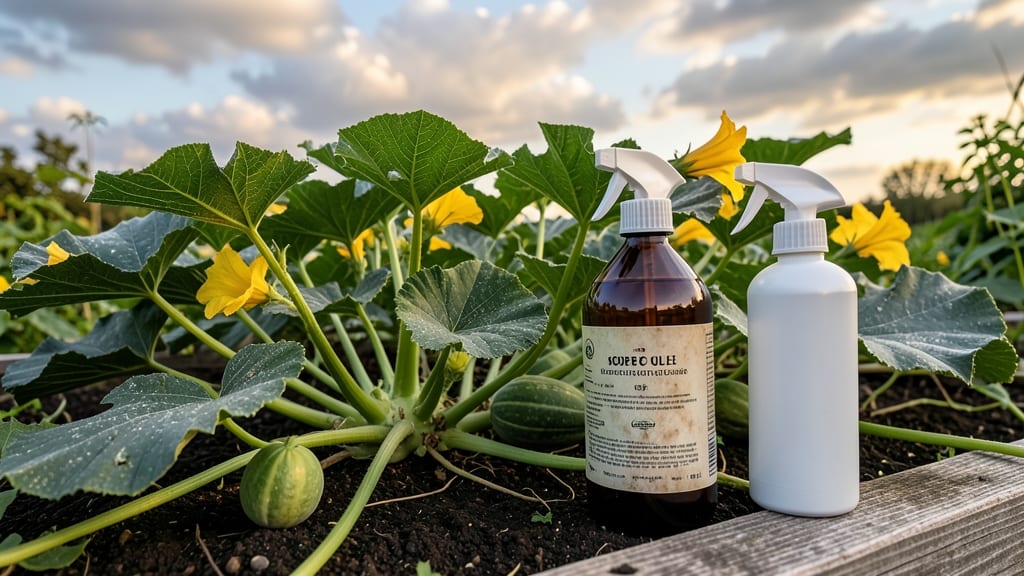
That first white dusting on squash leaves isn’t dust—it’s powdery mildew, and learning how to get rid of powdery mildew on these plants early can save your harvest before the fungus turns your vines into skeletal remains. shadows.
The good news? You can turn things around with just three natural steps that work without harsh chemicals.
Most gardeners miss the warning signs: yellowing leaves, stunted growth, or that telltale white powder on the undersides of leaves. Poor airflow and crowded plants create the perfect breeding ground, but the solution isn't just pruning—it's a combo of airflow, targeted sprays, and preventative habits.
I've tried everything from baking soda sprays to neem oil, and these three methods actually stop the spread.
Within a week, you'll see fresh green growth pushing through as the mildew recedes. The plants recover their vigor, and with a few simple adjustments, you'll keep them thriving for the rest of the season. No more wilting vines or blighted squash—just healthy, productive plants that reward your effort.
Works for zucchini, pumpkins, and summer squash alike, even in humid climates where mildew loves to take hold. Let's get those vines back to their best in no time.
The Hidden Triggers Behind Mildew
Powdery mildew isn’t just a random nuisance—it’s a fungal party crashers that thrives when your squash plants are under stress or conditions are just perfect for its growth. Understanding the root causes is the first step to kicking it out of your garden for good.
Let’s break down the key culprits turning your squash leaves into fuzzy white blankets.
Powdery mildew loves warmth (60–85°F) combined with high humidity. Unlike many fungi, it doesn’t need wet leaves to spread—just moist air. Here’s why:
- Spores love to hitchhike: When humidity hovers above 70%, fungal spores release asexual conidia (tiny reproductive cells) that drift on air currents. A gentle breeze? Free ride to your next squash leaf. 🌬️
- Stomata stay open longer: In humid conditions, plant stomata (tiny pores) remain open to exchange gases, giving the fungus direct access to plant tissues. Think of it like an open door invitation.
- Slow drying = fungal feast: If leaves don’t dry within 6–8 hours after watering, mildew spores germinate and penetrate the leaf surface. Overhead watering (especially in the evening) turns your garden into a mildew buffet. 🍽️
Actionable insight: If your mornings are foggy or afternoons sticky, mildew is waiting to move in. Monitor humidity with a hygrometer—aim for 40–60% humidity during the day.
Powdery mildew targets weakened plants like a predator zeroing in on prey. When squash plants are stressed, their cuticular wax layer (a natural protective barrier) weakens, making them easier to infect. Common stress factors include:
| Stress Type | Why It Helps Mildew | Fix It |
|---|---|---|
| 🌿 Overcrowding | Poor airflow lets humidity linger between leaves, trapping spores and blocking sunlight (which kills mildew spores). | Space vines 3–4 feet apart and prune suckers to improve airflow. 🌬️ |
| 💧 Overwatering | Soggy soil stresses roots, reducing the plant’s ability to produce antifungal compounds like phytoalexins. | Water at the base (not leaves) and let soil dry 1 inch deep between waterings. 💦 |
| 🍽️ Nutrient Deficiencies | Low phosphorus (P) or potassium (K) weakens cell walls, making them easier for hyphae (fungal threads) to invade. | Side-dress with compost tea or a balanced 5-5-5 fertilizer at planting and mid-season. 🌱 |
| 🌞 Shade or Poor Light | Weak growth from <50% sunlight reduces UV-B protection, which naturally inhibits mildew. | Ensure 6+ hours of direct sun daily. Use reflective mulch (like aluminum foil) to bounce light to undersides. ☀️ |
Powdery mildew spores overwinter on dead plant material, weeds, and even last year’s compost. Here’s how they stage their comeback:
- Dormant spores: Mildew can survive up to 2 years on dried leaves or mulch. When conditions warm up, they reactivate and spread. 🧹
- Weeds as hosts: Plants like malva (cheeseweed) and lambsquarters are alternate hosts for mildew, acting as a spore reservoir near your squash.
- Infected tools/seeds: Pruners, gloves, or saved seeds from last year’s mildew-ridden plants can carry spores to this season’s garden.
Actionable tip: Clean up thoroughly in fall: Remove all plant debris, sterilize tools with 70% alcohol, and avoid composting infected material (toss it in the trash or burn it).
Mildew doesn’t just walk—it hitches rides. Spores travel via:
- Wind currents: A single infected plant can release millions of spores in a day, carried by breezes to nearby vines. 💨
- Bees & pollinators: While they help with fruit set, they unwittingly transfer spores from flower to flower.
- Garden tools & hands: Touching an infected leaf, then a healthy one, spreads the fungus mechanically.
Pro move: Isolate new plants for 7–10 days if mildew is already in your garden. Use copper-based fungicides (like copper soap) as a barrier treatment on young leaves.
Revive Your Squash Vines Naturally
Powdery mildew may feel like a stubborn foe, but with the right approach, you can banish it for good and restore your squash plants to their healthy, thriving selves.
Below, we’ve broken down targeted fixes based on the root causes—whether it’s humidity, poor airflow, or neglect—and paired them with preventive strategies to keep mildew from crashing your harvest again.
Cause: Cramped plants trap moisture, creating the perfect mildew buffet. Solution:
- Prune strategically 🔪: Trim leaves that block airflow, focusing on the lower canopy (where mildew loves to hide). Aim for 12–18 inches of space between plants.
- Space squash properly 📏: At planting, give vines 3–5 feet of diameter (or rows 4–6 feet apart). If already planted, thin seedlings to avoid competition.
- Use trellises 🪜: Train vines upward to elevate foliage, reducing humidity at ground level. Ideal for bush varieties like zucchini or pattypan squash.
Preventive Pro Tip: 💡 Interplant with marigolds or nasturtiums—their strong scent repels mildew spores and attracts pollinators!
Cause: Wet leaves (from watering, dew, or rain) feed mildew spores. Solution:
- Water at the roots 💧⏰: Early morning (6–8 AM) is best—avoid overhead sprinklers. Use a soaker hose or drip irrigation to keep foliage dry.
- Improve drainage 🚿: If your soil stays soggy, amend with compost or perlite to help water drain faster.
- Harvest promptly 🍠: Overripe squash attracts pests that spread mildew. Pick fruits when firm and fully colored.
Preventive Hack: 🌡️ Mulch with straw or grass clippings to reduce soil splashing onto leaves during watering.
Cause: Existing mildew needs a chemical-free knockout. Solution: Mix one of these sprays and apply every 7–10 days until spores vanish:
| Remedy | How to Use | Why It Works |
|---|---|---|
| Baking Soda Spray | 1 tsp baking soda + 1 tbsp oil + 1 quart water + dash of dish soap (as a surfactant). Spray undersides of leaves. | Raises leaf pH, making it inhospitable for mildew. |
| Neem Oil | 2 tbsp neem oil + 1 tsp soap + 1 quart water. Shake well before spraying. | Disrupts mildew’s life cycle and deters future spores. |
| Milk Spray | 1 part milk (or buttermilk) + 9 parts water. Spray directly on leaves. | Contains fungicidal properties (studies confirm it works!). |
| Copper Fungicide | Follow label rates (e.g., Cheshunt Compound). Use early in the day. | Kills existing mildew and prevents regrowth. |
⚠️ Caution: Always test sprays on a small leaf first to avoid burning tender foliage.
Cause: Weak plants are mildew magnets. Solution: - Feed with compost tea 🍃: Brew 1 cup compost + 5 gallons water for 24 hours, then strain and water plants.
Rich in beneficial microbes that boost defenses. - Use liquid kelp or fish emulsion 🐟: Spray diluted (1 tbsp/gallon) every 2 weeks for silica and nutrients that toughen cell walls. - Rotate crops 🌱: Avoid planting squash (or cucurbits) in the same spot yearly—this breaks mildew’s soil-borne cycle.
Preventive Power Move: 🎯 Plant resistant varieties like ‘Walthame’ butternut squash or ‘Defender’ zucchini, bred to tolerate mildew.
If 50%+ of leaves are covered, act fast:
- Remove infected leaves 🗑️: Snip off bad spots (don’t compost them—bag and discard).
- Quarantine the plant 🚫: Isolate it from healthy vines until mildew clears (usually 10–14 days).
- Boost airflow 🌬️: Use a fan on low near the plants for 30 mins/day to dry leaves faster.
✅ Before planting: Choose a sunny, well-drained spot with 6+ hours of sunlight. ✅ During growth: Rotate watering methods (e.g., alternate soaker hose with drip). ✅ After harvest: Clean up debris—mildew spores overwinter in old vines and leaves. ✅ Next season: Solarize soil (cover with clear plastic for 4–6 weeks in summer) to kill spores.
Final Thought: Powdery mildew is annoying but beatable—focus on airflow, dry leaves, and preventive sprays, and your squash will bounce back stronger than ever. 🚀 Happy growing!
Frequently asked questions
Why does powdery mildew appear on some squash leaves but not others?
The fungus targets stressed or shaded leaves first. Look for lower leaves in crowded plants or areas with poor airflow—these stay damp longer and create the perfect breeding ground. Healthy upper leaves often stay mildew-free until the infection spreads.
Can I still harvest squash from plants with powdery mildew?
Yes, but focus on fully mature fruits that haven't touched infected leaves. Remove any fruits showing white powder immediately. The mildew won't spread to the edible part, but it can reduce plant vigor and future yields.
How often should I apply neem oil or baking soda sprays?
Apply every 7-10 days until the mildew disappears, then switch to preventive maintenance (every 2-3 weeks). For baking soda sprays, use 1 teaspoon per quart of water with a dash of dish soap as a surfactant. Always spray undersides of leaves where spores hide.
Will my squash plants recover completely after mildew treatment?
Yes, with proper care! Severely infected plants may lose some leaves, but new growth will emerge within 1-2 weeks of treatment. Prune affected foliage, improve airflow, and keep leaves dry to prevent recurrence. Healthy plants often outgrow the mildew entirely.
What's the best time of day to spray fungicides?
Apply sprays early morning (6-8 AM) when humidity is lower and leaves are dry. Avoid spraying in direct sunlight (after 10 AM) or late afternoon to prevent leaf burn. The fungicide needs time to absorb before heat stress occurs.