
Companion Plants
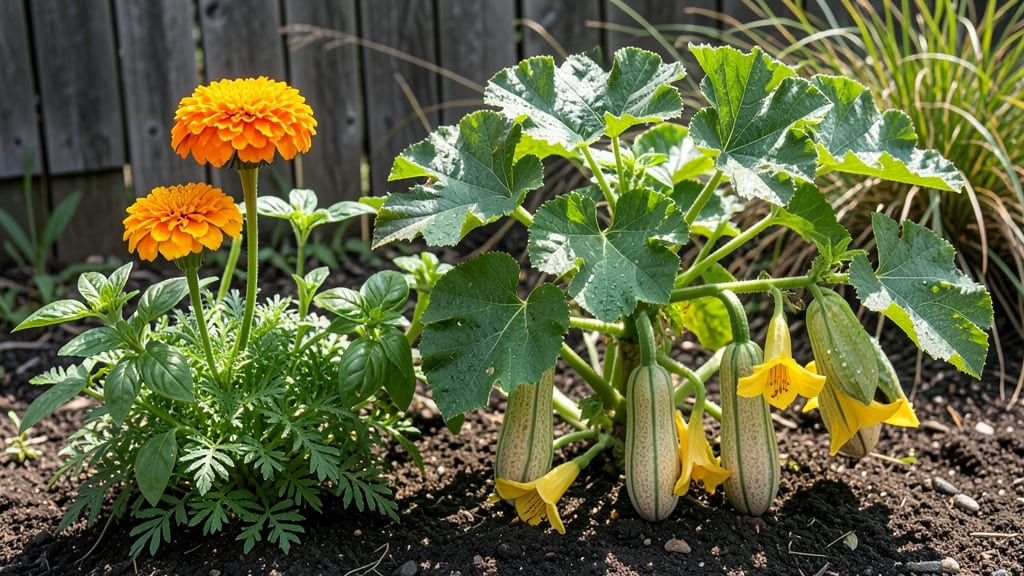
The secret to bountiful butternut squash lies in smart companion planting—marigolds and beans alone can double your harvest, and I learned this the hard way after my first patch struggled with pests and poor soil. 🌱 The secret lies in plants that repel bugs, improve soil, or attract pollinators while avoiding those that compete for nutrients.
Beans fix nitrogen in the soil, giving squash a natural boost, while marigolds deter squash bugs with their strong scent. Herbs like basil and thyme keep pests away too, but avoid planting near potatoes—they compete for the same space and nutrients.
My best yields came from a 3-foot spacing between squash and companions, with beans on one side and marigolds on the other. By mid-summer, you’ll see vibrant green vines sprawling healthily, with fewer pests and stronger plants.
The soil stays looser, roots grow deeper, and your squash will be sweeter and more productive than ever. This isn’t just theory—it’s what turned my struggling patch into a bountiful harvest.
Works for both in-ground gardens and raised beds, and the same principles apply to other winter squash like acorn or hubbard. Let’s get planting!
📚 In This Guide
- What you need
- Instructions
- Tips and common mistakes
- Wrapping up and next steps
What you need
- ● Butternut squash seeds or seedlings: 3–5 plants per 100 sq. ft. (choose disease-resistant varieties if possible).
- ● Companion plants (pick 1–2 from this list): Nasturtiums (10–15 plants)
- ● Bush beans (20–30 plants)
- ● Marigolds (5–10 plants)
- ● Corn (4–6 plants, if space allows)
- ● Basil (3–5 plants)
- ● Garden space: At least 100 sq. ft. of well-draining soil with full sun (6+ hours/day).
- ● Compost or aged manure: 2–3 inches mixed into the top 12 inches of soil.
- ● Organic mulch: Straw or shredded leaves (2–3 inches thick) to retain moisture.
- ● Garden gloves & trowel: For planting and soil prep.
- ● Watering can or hose with a gentle nozzle: For deep, even watering (1–2 inches per week).
- ● Row covers or netting: To deter pests like squash bugs or cucumber beetles.
- ● Epsom salt (magnesium sulfate): 1 tbsp per plant every 4–6 weeks for healthier vines.
- ● Fish emulsion or compost tea: Organic fertilizer for a nutrient boost mid-season.
- ● Trellis or stakes: For climbing companions like beans or corn (if vertical space is limited).
- ● Soil test kit: To check pH (ideal: 6.0–7.0) and adjust with lime or sulfur if needed.
Step-by-Step guide to companion planting for butternut squash
Here’s how to pair butternut squash with the best friends in the garden for bigger harvests and fewer pests.
🌱 Step 1: Plan Your Layout Around the "Three Sisters" Principle
Start by reserving a 4-foot-wide raised bed or in-ground space for your butternut squash. This gives vines room to sprawl while keeping companion plants close enough to benefit from each other. I like to place 1-2 squash plants per 4-foot section—they’re heavy feeders and need space to avoid competition.
Next, plant corn (6-inch-tall varieties) along the north side of the squash. The corn stalks provide shade for squash vines during the hottest afternoon sun, reducing stress. You’ll see the squash leaves stay a deeper green and the vines grow more vigorously when shaded this way.
🌿 Step 2: Add Nitrogen-Fixing Beans for Soil and Pest Control
Sow bush beans or pole beans around the base of the squash plants, keeping them 12-18 inches away from the squash stems. The beans fix nitrogen in the soil, which the squash will use later in the season. I plant 3-4 bean plants per squash in a loose circle—this creates a living mulch that suppresses weeds and attracts beneficial insects like ladybugs.
Watch for the beans to climb the cornstalks while the squash vines spread outward. This natural trellis system keeps everything off the ground, reducing disease risk. By mid-summer, you’ll notice the squash leaves staying lush even in dry spells—thanks to the beans’ soil-enriching work.
☀️ Step 3: Interplant with Herbs for Pest Deterrence
Scatter marigolds, basil, and thyme between the squash vines, spacing them 6-8 inches apart. Marigolds repel squash bugs and cucumber beetles, while basil deters squash vine borers. I plant 2-3 marigolds per squash plant and sprinkle basil seeds lightly around the base—no need to thin them heavily since they’ll self-regulate.
You’ll see fewer holes in squash leaves and no need for chemical sprays. The herbs also improve flavor—harvest a few basil leaves throughout the season for pest-free pesto. Just avoid planting mint nearby; it’s invasive and will overtake everything.
💧 Step 4: Mulch and Monitor for Balance
Apply 2-3 inches of straw mulch around the entire planting area, keeping it 6 inches away from squash stems to prevent rot. This retains moisture while discouraging weeds. Water deeply 2-3 times per week, aiming for 1 inch of water per week—the mulch will help regulate soil temperature and reduce evaporation.
Check weekly for signs of stress: squash leaves curling? Add more mulch. Beans wilting? Water at the base in the early morning. The key is balance—too much water drowns roots, too little invites pests. By late summer, you’ll have a thriving micro-ecosystem where each plant supports the others.
✂️ Step 5: Harvest and Rotate Strategically
When squash reach 3-4 pounds, harvest them carefully with a knife to avoid damaging vines. Remove spent bean plants after harvest to prevent volunteer seeds next year. I always mark the bed with stakes to remember where squash grew—never plant them in the same spot next year to prevent disease buildup.
After harvest, till in the remaining mulch and herbs as green manure. The next season, you can replant this area with beans or peas to continue the nitrogen cycle. This companion planting system turns a single crop into a self-sustaining garden powerhouse.
Tips & tricks for perfect butternut squash companion planting
These simple tricks will help you maximize your harvest while keeping pests at bay—no gardening degree required.
Layout Precision: When planning your 4-foot-wide space, leave at least 3 feet between squash plants if you're using a smaller variety. The instructions suggest 1-2 plants per section, but smaller varieties like 'Waltham Butternut' can handle 3 plants per section if you're working with limited space. Just make sure to thin seedlings early to avoid overcrowding, which leads to powdery mildew.
Corn Placement Matters: In Step 1, planting corn on the north side is crucial—this ensures the corn provides afternoon shade without blocking morning sunlight, which butternut squash needs for photosynthesis. If your garden gets intense afternoon sun, consider adding a second row of corn on the south side for even better protection. Just avoid planting corn too close to the squash stems to prevent competition for nutrients.
Herb Power Boost: For Step 3, don't limit yourself to just marigolds, basil, and thyme. You can also add optional dill or nasturtiums—both repel squash bugs naturally. I've found that nasturtiums, in particular, attract aphids away from your squash, acting like a sacrificial plant. Just space them 12 inches apart to avoid overcrowding.
Watering Wisdom: The instructions mention watering 2-3 times per week, but timing matters just as much. Always water in the early morning to allow foliage to dry quickly, reducing fungal diseases like powdery mildew. I use a soaker hose for deep watering at the base, which keeps the leaves dry and prevents common squash diseases.
Pro Tips for Butternut Squash Companion Planting
- These simple tricks will help you maximize your harvest while keeping pests at bay—no gardening degree required.
- Layout Precision: When planning your 4-foot-wide space, leave at least 3 feet between squash plants if you're using a smaller variety.
- Corn Placement Matters: In Step 1, planting corn on the north side is crucial—this ensures the corn provides afternoon shade without blocking morning sunlight, which butternut squash needs for photosynthesis.
Frequently asked questions
Got questions about maximizing your butternut squash harvest with companion planting?
Here are answers to the most common ones—so you can garden with confidence!
What are the best companion plants for butternut squash?
Butternut squash thrives with beans, peas, corn, marigolds, nasturtiums, and herbs like basil or thyme. These plants deter pests, improve soil health, or attract pollinators. Avoid planting near potatoes, fennel, or cabbage-family veggies, as they compete for nutrients or attract harmful pests.
When is the best time to plant companion plants with butternut squash?
Start companions 2–4 weeks before or after planting butternut squash, depending on their growth rate. Fast growers like beans or marigolds can go in first, while slower ones (like corn) should follow. Herbs like basil can be planted alongside squash once seedlings are 2–3 inches tall to avoid competition.
How do companion plants help prevent squash bugs and pests?
Companions like marigolds repel squash bugs with their scent, while nasturtiums distract pests away from squash. Bush beans or peas fix nitrogen in the soil, strengthening squash vines. Basil also deters flies and mosquitoes. Pro tip: Interplant companions densely to create a natural pest barrier!
Can I still grow butternut squash without traditional companions?
Yes! If companions aren’t an option, focus on crop rotation, mulching (with straw or leaves), and hand-picking pests. Interplanting with fast-growing radishes can also disrupt pest life cycles. Just avoid planting squash in the same spot yearly to prevent disease buildup.
What should I do if my squash plants look stressed despite companions?
Check for overcrowding, under/overwatering, or nutrient deficiencies (yellow leaves = nitrogen; brown edges = too much salt). Reduce competition by thinning companions if needed. If pests persist, introduce neem oil or insecticidal soap—butternut squash is sensitive, so spot-treat only!
Bonus Tip:
Use a simple companion-planting chart to track pairings and spacing. For example, plant corn 12 inches apart around squash vines, leaving 3–4 feet between squash hills for airflow. Happy gardening!
Wrapping up and next steps
Ready to transform your garden into a thriving butternut squash paradise? 🌱 Companion planting isn’t just smart—it’s easy and rewarding! By pairing your squash with the right neighbors, you’ll naturally deter pests, improve soil health, and enjoy bigger, healthier harvests.
Start small this season: try planting a few basil or marigold companions alongside your squash, and watch the magic happen.
Now’s the perfect time to grab your gardening gloves and put these tips into action! Whether you’re a beginner or a seasoned green thumb, every plant you add is a step toward a more vibrant, productive garden. Happy planting—and here’s to your best squash harvest yet! 🎉