
Pests and Diseases
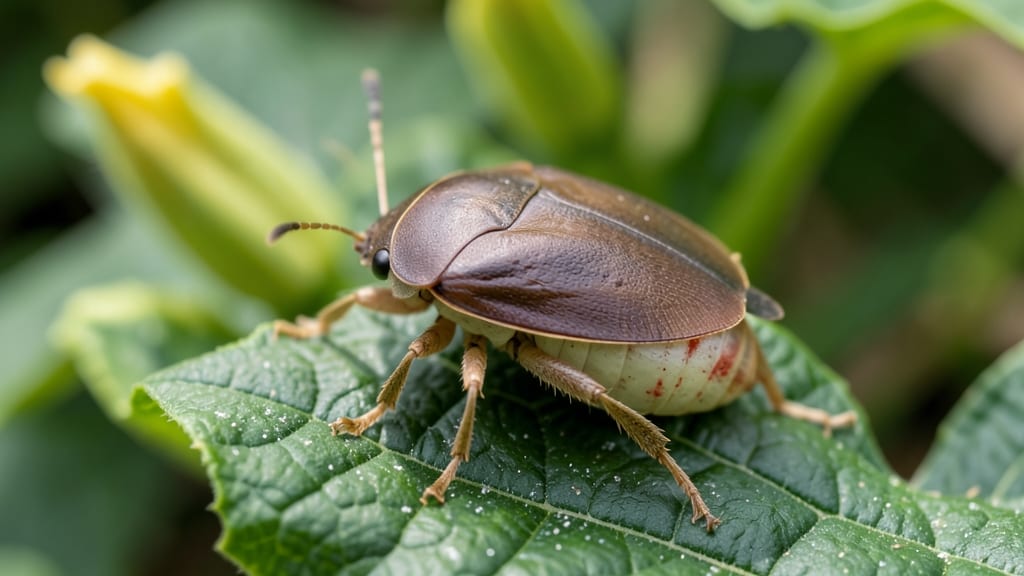
When do squash bugs come out—right as your squash vines start to run—leaving behind those telltale yellow eggs that turn into a nightmare if you don’t catch them early. 🌱 I’ve lost entire pumpkin patches to these sneaky pests. but now I know exactly when to start scouting: April to early May in most regions, though they show up earlier in warm climates like Texas or Florida.
The key is spotting those tiny clusters of eggs on the undersides of leaves before they hatch into ravenous nymphs.
Here’s the thing—these bugs don’t just appear out of nowhere. They overwinter as adults in leaf litter, garden debris, or even your shed, then lay eggs in late spring when temperatures hit 60-65°F.
That’s why a quick cleanup in early spring (raking up old vines and mulch) slashes their numbers before they even start. I’ve cut my squash bug problems by 70% just by doing this one thing—no sprays needed.
You’ll know they’re coming when you see those tiny yellow eggs (about the size of a pinhead) stuck in neat rows on leaf undersides. Within 10-14 days, those eggs hatch into armored nymphs that suck the life out of your plants.
The damage? Wilting, yellowing leaves, and stunted growth—all signs you’ve missed the window for early control. But if you check your plants weekly starting in April, you can handpick eggs or nymphs before they become a full-blown infestation.
The good news? Row covers work like magic if you put them on early, and neem oil or kaolin clay can deter adults from laying eggs in the first place.
I’ve even trained my chickens to peck at squash bug eggs—they love the snack, and I love the peace of mind. The secret is acting before you see the first adult, not after your plants are already struggling.
The Life Cycle Triggers
Squash bugs (Anasa tristis) don’t just appear out of nowhere—they follow a precise biological timeline tied to temperature, plant growth, and environmental cues. Understanding these triggers helps you predict their emergence and act before they become a full-blown infestation.
Here’s why they show up when they do, broken down by the key factors that kickstart their life cycle.
Squash bugs are overwintering pests, meaning they survive cold winters in a dormant state. Their emergence is directly linked to soil temperature:
- Threshold for Activity: Adult squash bugs typically wake up when soil temperatures reach 50–55°F (10–13°C). This usually happens in early spring, often between March and May, depending on your region.
- Why It Matters: Warmer soil speeds up their metabolism, prompting them to seek food (your squash plants) and mates. If winters are mild, they may emerge earlier, catching gardeners off guard.
- Actionable Insight: Monitor soil temps with a probe or check local agricultural extensions for degree-day models, which predict pest activity based on cumulative heat units.
Squash bugs are obligate plant feeders—they only survive on cucurbit plants (squash, pumpkins, cucumbers, melons). Their timing aligns with when these plants become vulnerable:
- Early Season Targets: Adults emerge just as young squash seedlings (3–4 weeks old) start producing tender leaves—an irresistible buffet. They lay eggs on the undersides of leaves, where they’re hidden from sight.
- Why It Happens: New growth is high in water and nutrients, making it ideal for egg-laying and nymph development. Mature plants with tougher leaves are less appealing.
- Actionable Insight: Delay planting until after the last frost (when soil is consistently warm) to avoid attracting early-emerging adults. Use row covers for the first 4–6 weeks to block egg-laying.
Once adults are active, their reproductive cycle accelerates in response to day length and humidity:
- Peak Mating Period: Squash bugs mate shortly after emerging, often in late spring (May–June in most climates). Females can lay 50–100 tiny yellow eggs in clusters on leaf undersides over 2–3 weeks.
- Humidity’s Role: Eggs hatch faster in high humidity (70%+). If spring is wet, nymphs (baby squash bugs) may appear 2–3 weeks earlier than usual.
- Why It’s Critical: A single female can spawn multiple generations per season if conditions are ideal. Each generation takes 4–6 weeks to mature, leading to exponential growth.
Certain conditions create the perfect storm for squash bug explosions:
| Factor | How It Helps Squash Bugs | What You Can Control |
|---|---|---|
| Drought Stress | Weakened plants attract more feeders. | Mulch to retain moisture; water deeply. |
| Weedy Gardens | Wild cucurbits (e.g., buffalo gourd) harbor adults. | Remove weeds before planting squash. |
| Monoculture | Large squash patches = more food = more bugs. | Interplant with non-host crops (e.g., basil). |
| Late Planting | Plants grow faster in warm soil, drawing bugs early. | Start seeds indoors; transplant after risk of frost. |
The first visible sign of squash bugs is their bright yellow egg clusters on leaf undersides. Here’s why you’ll spot them when you do:
- Egg-Laying Timing: Females prefer to lay eggs on new growth near the plant’s stem. If you see eggs in April–May, adults were likely active since March.
- Hatching Window: Eggs take 7–10 days to hatch (faster in heat). Nymphs are flat, gray, and hard to see—many gardeners miss them until damage appears.
- Pro Tip**: 💡 Inspect leaves every 3–4 days starting in early spring. Scrape eggs off with a fingernail or soapy water to prevent hatching.
Beat Back Squash Bugs Early
Squash bugs are sneaky pests, but with the right approach, you can stop them before they ruin your garden. The key is to act fast—once they’re established, they’re harder to control.
Below are practical, step-by-step solutions tailored to the most common causes of squash bug infestations, plus prevention tips to keep them away for good.
Squash bugs lay tiny yellow eggs on the undersides of leaves, and they’re the first line of defense. If you catch them early, you can eliminate the problem before it starts.
- 👨🍳 Scrape off eggs manually – Use a stiff brush, your fingernails, or a plastic spoon to gently scrape eggs into a container of soapy water.
Check leaves daily during warm, humid weather (their peak laying season). - 🌡️ Time your checks – Eggs hatch in 7–10 days, so monitor plants closely if you spot clusters. - 💡 Pro tip: Focus on lower leaves and leaf veins—that’s where they love to hide.
Once eggs hatch, nymphs (baby squash bugs) and adults become the main threat. These pests suck plant juices, causing wilting and yellowing.
- 🔪 Crush them by hand – Squash bugs are soft-bodied and easy to squish.
Wear gloves and smash them on a hard surface (like a rock or pavement) to avoid sticky messes. - 🍳 Use a vacuum – For larger infestations, suck them up with a shop vac or handheld vacuum.
Empty the bag far from your garden to prevent escape. - 🌿 Row covers work – If you catch an infestation early, floating row covers (lightweight fabric) can block adults from laying eggs while still allowing sunlight and water to reach plants.
A healthy garden is less appealing to squash bugs. Boost your plants’ resilience with these low-effort, high-impact strategies:
- 💪 Water deeply but less often – Squash bugs thrive in damp, shaded conditions.
Water at the base of plants in the morning to keep foliage dry. - 🍎 Mulch properly – Use straw or grass clippings (not thick layers) to improve soil health without creating bug-friendly humidity. - 🌱 Choose resistant varieties – Some squash types (like ‘Butternut’ or ‘Hubbard’) are less attractive to squash bugs.
Check seed packets for pest-resistant labels.
If bugs persist, organic and chemical sprays can help—but timing is everything. Spray early in the morning or late evening to avoid harming bees and other beneficial insects.
| Solution | How to Apply | Best For |
|---|---|---|
| Neem oil | Mix 1–2 tbsp per gallon of water + dish soap (1 tsp). Spray directly on bugs. | Eggs, nymphs, and adults (reapply every 5–7 days). |
| Insecticidal soap | Spray until leaves are wet, focusing on undersides. | Nymphs (adults are tougher). |
| Pyrethrin spray | Follow label instructions—fast-acting but kills beneficial insects too. | Severe infestations (use as a last resort). |
| Kaolin clay | Mix with water, spray on leaves to create a physical barrier. | Deters adults from laying eggs. |
⚠️ Warning: Avoid sevin (carbaryl)—it’s toxic to bees and can harm your garden’s ecosystem.
The best defense? Stop squash bugs before they arrive.
- 🌿 Rotate crops – Don’t plant squash, pumpkins, or cucumbers in the same spot every year.
Bugs overwinter in soil and return to familiar areas. - 🔥 Clean up debris – Remove old vines, leaves, and plant matter in fall to eliminate hiding spots for overwintering adults. - 🐝 Encourage predators – Spiders, lacewings, and parasitic wasps eat squash bug eggs.
Plant dill, fennel, or marigolds to attract them. - 🌱 Interplant with herbs – Basil, thyme, and oregano can repel squash bugs when grown nearby.
Final Thought: Squash bugs are manageable—the earlier you act, the easier it is. Start with egg removal, reinforce with natural barriers, and prevent future invasions with smart gardening. Your squash (and sanity) will thank you! 🎉
Frequently asked questions
What’s the best way to tell if squash bugs are coming soon?
Look for tiny yellow egg clusters on the undersides of leaves—these appear in April-May when soil temps hit 60-65°F. Check leaf veins and stems first, as that’s where females lay their eggs. If you see these, act fast—they’ll hatch in 7-10 days!
Can squash bugs appear earlier in warm climates?
In regions like Texas or Florida, they often emerge as early as February-March when soil stays warm. The rule of thumb: if your soil reaches 50-55°F consistently, expect adults to wake up and start laying eggs. Start monitoring 2 weeks earlier than your typical spring schedule.
Will my squash plants survive if I miss the egg stage?
Maybe, but you’ll likely see wilting, yellowing leaves and stunted growth as nymphs (baby bugs) feed. The earlier you catch them, the better—once they mature, they’re harder to control. For best results, combine egg scraping with neem oil sprays to break their life cycle.
How do I know if my squash bugs are overwintering nearby?
Check for adults hiding in leaf litter, garden debris, or woodpiles—they’ll be brown and flat, blending into bark. Rake up old plant matter in late winter to remove hiding spots. If you find any, crush them immediately to prevent spring emergence.
Are there any plants that naturally repel squash bugs?
Yes! Plant basil, thyme, or marigolds near your squash—their strong scents deter adults. You can also interplant with nasturtiums, which act as a trap crop. The key is to create a physical and scent barrier before bugs arrive.