
Blooming
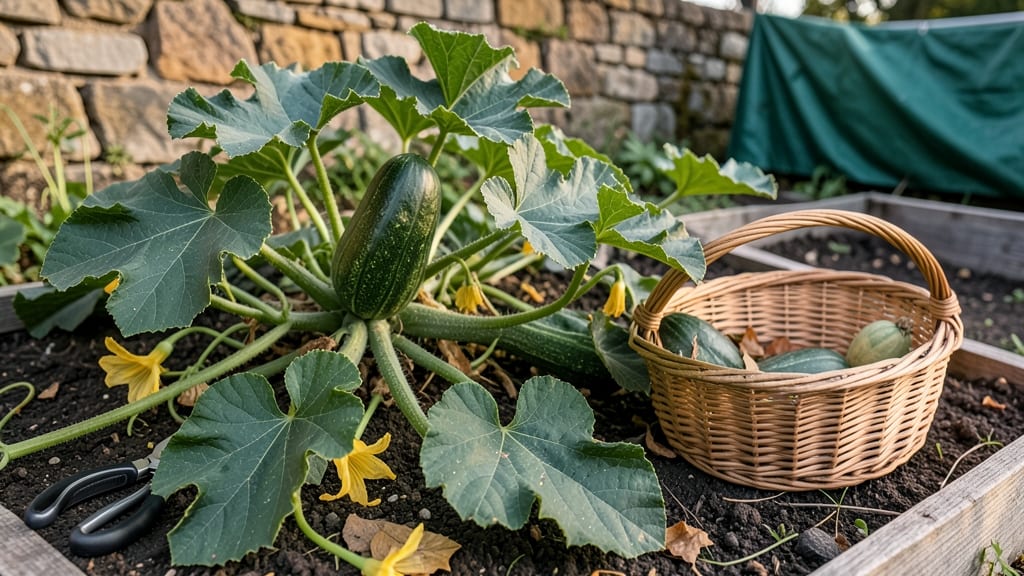
Growing Italian long squash turns your garden into a year-round pantry. 🌱 These cold-hardy beauties handle dappled shade better than most squash, and their long storage life means fresh harvests well into winter. My first crop lasted until March—something store-bought zucchini never does.
The secret starts with soil: they love rich, well-draining earth with a handful of compost mixed in. Plant seeds after your last frost when soil hits 60°F, spacing them 2-3 feet apart since they spread like lazy vines.
Unlike fussy squash, these thrive in partial sun and even tolerate light frost once established. You'll know they're happy when vines sprawl 3-4 feet long, producing 12-18 inch squash with smooth, deep-green skin. Harvest when firm but before seeds swell—this keeps them sweet and storable for months.
The flavor? Richer than zucchini, with a texture between summer and winter squash. Perfect for small gardens, containers, or shady spots. Here's how to grow yours without the usual squash drama.
📚 In This Guide
- What you need
- Instructions
- Tips and common mistakes
- Wrapping up and next steps
What you need
- ● Seeds: 3–5 high-quality Italian long squash seeds (cold-hardy varieties like Zucchina Lungo di Napoli or Tromboncino).
- ● Potting mix: 10–15 gallons of well-draining, organic potting soil (or a mix of 60% compost, 30% coconut coir, and 10% perlite).
- ● Containers or garden bed: Containers: 5-gallon pots or larger (at least 12" deep) with drainage holes.
- ● Garden bed: A sunny spot with loose, fertile soil (amend with compost if needed).
- ● Fertilizer: Balanced organic fertilizer (10-10-10) or compost tea for nutrient-rich soil.
- ● Mulch: Straw or shredded leaves to retain moisture and suppress weeds.
- ● Gloves & trowel for planting and soil prep.
- ● Watering can or hose with a gentle spray nozzle.
- ○ Pruning shears (optional, for trimming excess vines).
- ○ Trellis or stakes (optional, to support heavy vines—use bamboo or metal stakes, 6–8 ft tall).
- ○ Row cover or frost cloth (optional, for early-season protection in cooler climates).
- ● Sunlight: 6–8 hours of dappled sunlight (partial shade is fine for hot climates).
- ● Temperature: Seeds germinate best at 70–90°F; plants tolerate light frosts (32–40°F).
- ● Water: 1–2 inches per week (keep soil consistently moist but not soggy).
Step-by-step instructions for growing Italian long squash
Here's how to grow these cold-hardy, productive squash varieties with minimal fuss—perfect for gardeners with partial shade.
🌱 Step 1: Choose the Right Variety and Planting Time
Italian long squash like 'Romanesco' or 'Zucca' thrive in cooler climates and can even handle light frosts. Start seeds indoors 4-6 weeks before your last frost date or direct-sow after soil reaches 55-60°F. I always check soil temperature with a thermometer—cold soil delays germination.
These squash love dappled light, so plant them near taller trees or shrubs where they’ll get 4-6 hours of morning sun and afternoon shade. The key is avoiding hot afternoon sun, which can scorch leaves. Space seeds 1 inch deep and 2 feet apart in rows 4 feet apart—they spread fast!
💧 Step 2: Prepare Soil and Water Consistently
Italian long squash prefer well-draining, fertile soil with a pH of 6.0-7.0. Work in 2-3 inches of compost before planting to give roots plenty of nutrients. I like to add a handful of bone meal at planting time for extra phosphorus—it boosts root and vine growth.
Water deeply 1-2 times per week once established, but keep soil evenly moist during flowering and fruiting. The secret is to water at the base, not overhead—this prevents powdery mildew, a common issue with squash. You’ll know you’re doing it right when the soil feels damp 2-3 inches down.
☀️ Step 3: Provide Support and Monitor Growth
These squash grow on sprawling vines that can reach 6-10 feet long. To save space, I train vines along a trellis or fence, but leave 3-4 feet of ground space for the heaviest fruits. Use soft ties or old pantyhose to secure vines gently—never twist or pull.
Watch for first true leaves in 7-14 days after sowing. Thin seedlings to 1 plant per 2 feet when they’re 3-4 inches tall, keeping the strongest stem. Remove weak plants at the base—don’t pull them, or you’ll disturb roots of remaining plants.
✂️ Step 4: Harvest at Peak Ripeness
Italian long squash are ready to harvest when their rinds turn hard and their color deepens to bright yellow or green. Check fruits every 2-3 days starting 70-80 days after planting. Use a sharp knife or pruners to cut stems, leaving 1 inch of stem attached to preserve freshness.
Store harvested squash in a cool, dry place with good airflow. They’ll keep for 2-3 months if you avoid stacking them—always place them on a rack or in a single layer. The best ones taste sweeter after a light frost, so don’t rush to harvest if your climate allows!
🌿 Step 5: Extend the Season with Simple Care
To keep producing through fall, remove any yellowing leaves and mulch heavily with 2-3 inches of straw to protect roots from cold snaps. I also side-dress with compost every 4-6 weeks to maintain vigor. These squash are cold-hardy, but a thick mulch layer prevents soil temperature swings.
Watch for squash bugs and cucumber beetles—handpick eggs or use row covers early in the season. Once fruits form, they’re less vulnerable. The reward? Fewer pests and more time enjoying your harvest. With proper care, one plant can yield 5-10 pounds of delicious, nutrient-dense squash!
Tips & tricks for perfect Italian long squash growth
These cold-hardy varieties reward patience with minimal effort—here's how to maximize your harvest without the fuss.
Soil Temperature Secret: Don't just guess at soil warmth! Use a soil thermometer to confirm 55-60°F before direct sowing. I've planted too early when soil was only 50°F, and germination took twice as long. The 55-60°F range is critical because cooler soil slows root development, while warmer soil speeds up germination too quickly, leading to weak seedlings.
Light Positioning: The 4-6 hours of morning sun is non-negotiable—place your squash where they get sunlight before noon. I learned this the hard way when I planted mine in afternoon sun, and the leaves developed ugly brown patches within days. Morning sun builds energy for the plants without the stress of afternoon heat.
Thinning Technique: When thinning seedlings to 1 plant per 2 feet, use sharp scissors to cut plants at soil level rather than pulling. This prevents disturbing the roots of your remaining plants. I used to pull weeds by hand, but now I keep a small pair of pruners handy—it makes all the difference in plant health.
Harvest Timing: The 70-80 day window is your sweet spot, but don't wait until the very end. Check every 2-3 days starting at day 70—ripe squash will have hard rinds and vibrant color. I've had squash overstay their welcome and become tough; harvesting at peak ripeness ensures the best flavor and texture.
Pro Tips for Italian Long Squash
- These cold-hardy varieties reward patience with minimal effort—here's how to maximize your harvest without the fuss.
- Soil Temperature Secret: Don't just guess at soil warmth!
- Light Positioning: The 4-6 hours of morning sun is non-negotiable—place your squash where they get sunlight before noon.
Frequently asked questions
Got questions about growing Italian long squash? You’re not alone! This hardy variety is a favorite, but it’s smart to know the ins and outs before diving in. Below, we’ve tackled the most common queries—from planting to harvest—to help you grow like a pro.
What’s the best time to plant Italian long squash seeds?
Plant seeds 2–3 weeks after your last frost date when soil temperatures hit at least 60°F (15°C). For cooler climates, start indoors 4–6 weeks before transplanting. Italian long squash thrives in warmth but can tolerate light frost early in the season—just avoid planting too soon, or germination may stall.
How long does it take for Italian long squash to mature?
Expect a harvest window of 60–70 days from planting, depending on your climate. Vines produce both male and female flowers, but female flowers (with tiny squash at the base) are the ones to watch—they’ll grow into full-sized Italian long squash (12–18 inches long!). Check for firmness and vibrant color to know they’re ready.
Can I grow Italian long squash in containers or small spaces?
This variety is compact and bushy, making it ideal for containers (at least 12–15 gallons) or small gardens. Use a trellis to save space if vines sprawl, but Italian long squash doesn’t climb—it’ll sprawl horizontally. Just ensure 6–8 hours of sun daily and well-draining soil.
What pests or diseases should I watch for with Italian long squash?
Keep an eye out for cucumber beetles, squash bugs, and powdery mildew. Use row covers early to deter beetles, handpick squash bugs (check undersides of leaves!), and ensure good airflow to prevent mildew. Neem oil or insecticidal soap can help if pests strike.
What can I do if my Italian long squash flowers but no fruit forms?
This usually means pollination failed—common in cool, cloudy weather. Hand-pollinate by transferring pollen from male (long stems, no squash) to female (tiny squash at the base) flowers with a paintbrush. Ensure bees or other pollinators have access, too! If humidity is low, mist flowers lightly to help.
Wrapping up and next steps
Growing Italian long squash is a rewarding journey—whether you're a seasoned gardener or a curious beginner! 🌱 These cold-hardy, versatile varieties thrive in dappled light and reward you with delicious harvests.
Now that you’re equipped with the right materials and answers to common questions, it’s time to roll up your sleeves and plant your seeds.
Start small with a few plants, experiment with companion planting, and enjoy the process. Before you know it, you’ll be savoring homegrown zucchine in your favorite pasta or ratatouille. Happy gardening! 🌿