
Picking
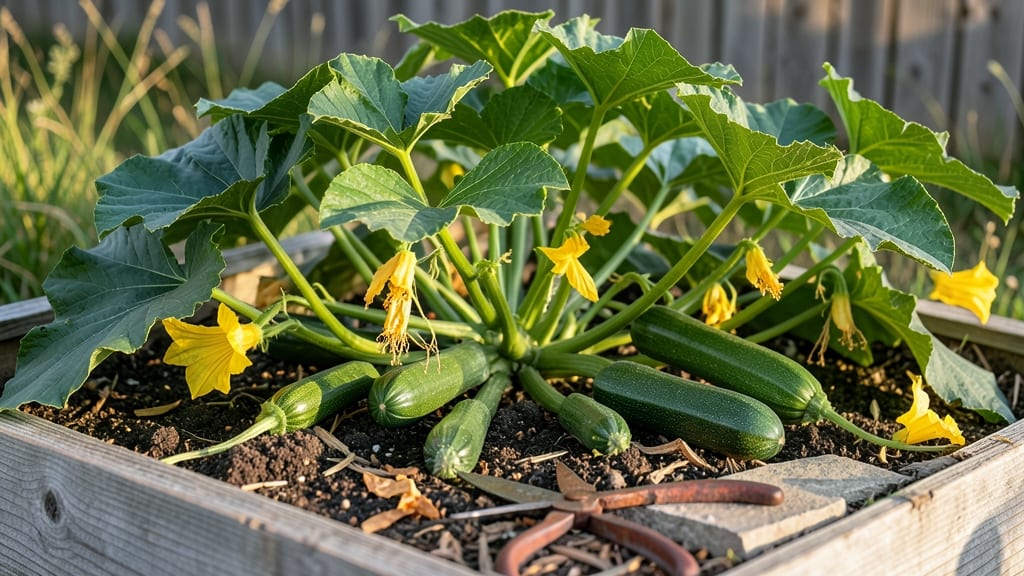
Squash is not a melon—it belongs to the Cucurbita genus (like pumpkins) while melons are in the Cucumis or Citrullus families, though both are part of the Cucurbitaceae family. Their differences lie in botanical classification, flavor, and growing habits.
No, squash and melons aren't the same—though both are summer garden staples, their botanical families, flavors, and growing habits set them apart. 🌱 The Cucurbita genus (squash) includes pumpkins and gourds, while melons belong to Cucumis (like cantaloupes) or Citrullus (watermelons).
Squash tends to be savory and dense, while melons are sweet and juicy, making them distinct in both the garden and kitchen.
For gardeners, this matters because squash grows on trailing vines with large leaves, while melons often climb trellises with tendrils. 🌿 Even their pollination needs differ—squash relies on bees for hand-pollinated flowers, while many melons self-pollinate. If you're growing both, spacing and support structures will need to vary!
💡 In This Article
- Botanical Families: Squash vs Melon Classification
- Growing and Culinary Differences Between Squash and Melons
Botanical families: squash vs melon classification
The key difference between squash and melons lies in their scientific classification within the Cucurbitaceae family. Squash belongs to the Cucurbita genus, which includes pumpkins and gourds, while melons fall under Cucumis (like cantaloupes) or Citrullus (watermelons).
This distinction matters because Cucurbita plants produce fruits with hard rinds and dense flesh, while melons develop softer skins and juicy interiors. 🌱
Taxonomists classify squash as a fruit botanically but treat them as vegetables culinary-wise due to their savory flavor and versatility in dishes. In contrast, melons are universally considered fruits because of their sweetness and seed structure.
The Cucurbita genus contains about 15 species, including summer squash (like zucchini) and winter squash (acorn, butternut), while Cucumis has 30+ species, including muskmelons and cucumbers.
This classification affects how plants grow and develop.
Squash flowers are typically monoecious (male and female on separate plants), requiring bee pollination for fruit production, while many melons are dioecious or self-pollinating. 🐝 The seed arrangement also differs—squash seeds are embedded in a fibrous matrix, while melon seeds float freely in their juicy centers.
These botanical traits explain why squash stores longer and melons spoil faster.
Another fascinating distinction is their genetic makeup. Squash DNA contains higher levels of cucurbitacin compounds, which give them a bitter taste when unripe, while melons lack these compounds entirely. This is why you'll never find a bitter melon—it's a separate species (Momordica charantia) entirely!
The absence of cucurbitacins in true melons contributes to their universally sweet flavor profile.
For gardeners, understanding these classifications helps with cross-pollination control. Planting squash near melons can lead to accidental hybridization, creating unusual fruits that may not develop properly. 🌿 For example, a cantaloupe pollinated by a squash flower might produce a deformed fruit with squash-like characteristics.
This is why commercial growers maintain strict separation between these botanical families.
Culinary applications also reflect these botanical differences. Squash's dense structure makes it ideal for roasting, baking, or stuffing, while melons' high water content suits them for fresh eating, smoothies, or light salads.
The soluble fiber content differs too—squash contains about 2-3 grams per cup, while melons have only 0.5-1 gram, explaining why squash aids digestion more effectively.