
Picking
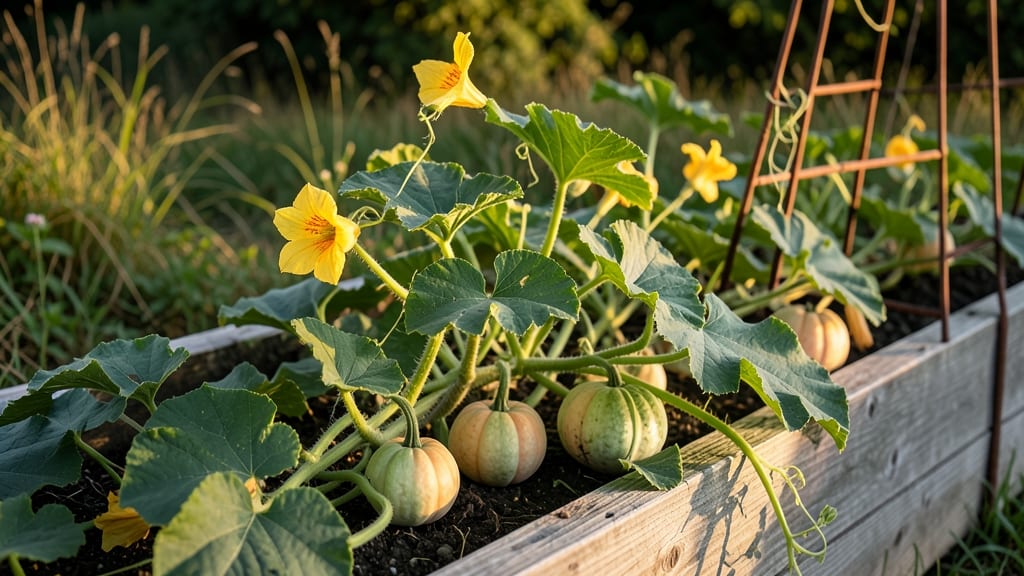
Yes, pumpkin is part of the squash family, specifically the Cucurbita genus, which also includes butternut, acorn, and zucchini—all belonging to the Cucurbitaceae family. These plants share vine growth patterns and edible seeds, though their culinary uses differ significantly.
Pumpkins and squash are often lumped together in grocery stores, but their botanical relationship runs deeper than just supermarket shelves. 🌱 The Cucurbita genus—home to pumpkins, squash, and zucchini—includes over 100 species, all sharing traits like sprawling vines and large, fleshy fruits.
What sets pumpkins apart is their thick rind and sweet flesh, ideal for pies and soups, while many squash varieties focus on savory dishes. This classification explains why pumpkin seeds are edible and why these plants thrive in similar growing conditions.
Understanding this botanical connection helps gardeners and cooks alike. For example, Cucurbita pepo (the species for most pumpkins and summer squash) needs well-drained soil and plenty of space to sprawl, while winter squash like butternut (Cucurbita moschata) often matures later but stores better.
The key takeaway? They're family, but their growing habits and culinary roles vary widely.
💡 In This Article
- Botanical Classification: Pumpkin vs. Squash Family Traits
- Growing Pumpkins vs. Squash: Key Gardening Differences
Botanical classification: pumpkin vs. squash family traits
The scientific classification of pumpkins and squash begins with the Cucurbita genus, which contains over 100 species within the broader Cucurbitaceae family.
Pumpkins, including species like Cucurbita pepo (common pumpkins) and Cucurbita maxima (giant pumpkins), share a common ancestor with squash varieties such as butternut (Cucurbita moschata) and acorn (Cucurbita pepo).
These plants are grouped together because they all produce large, fleshy fruits from single flowers and share similar genetic markers for vine growth patterns.
One of the most striking shared traits is their fruit structure: all Cucurbita species develop from a single ovary and contain multiple seeds embedded in a fibrous, edible pulp. The seeds themselves are rich in oils and proteins, a characteristic that extends across the genus.
Pollination is another key similarity—most rely on bees and other insects to transfer pollen between male and female flowers, which grow on separate plants in some varieties.
For example, a Cucurbita pepo plant may produce both male flowers (for pollination) and female flowers (which develop into fruit), demonstrating the genus's reproductive strategy.
Despite these similarities, pumpkins and squash differ in their fruit morphology and culinary uses. Pumpkins typically have thicker, harder rinds designed for long-term storage, while many squash varieties (like zucchini) have thinner skins ideal for quick cooking.
The flesh of pumpkins is often sweeter and more water-rich, making it perfect for pies and soups, whereas squash like butternut have denser, nuttier flesh suited for roasting or stuffing. These differences stem from evolutionary adaptations—pumpkins prioritized storage and sweetness, while squash focused on versatility in savory dishes.
Another critical distinction lies in their seed characteristics. Pumpkin seeds are larger and more commonly roasted or pressed for oil, while squash seeds (like those from zucchini) are smaller and often discarded.
This reflects their culinary roles: pumpkins are grown primarily for their fruit, whereas some squash varieties are cultivated for both fruit and seeds.
The genetic overlap explains why cross-pollination between pumpkins and squash can occur, leading to hybrid varieties that blur the lines between the two in both taste and texture.
For gardeners, understanding these botanical traits is essential. For instance, Cucurbita pepo (which includes both pumpkins and summer squash) thrives in warm climates and produces fruit quickly, while Cucurbita moschata (winter squash) requires a longer growing season but yields fruits that store for months.
The shared traits—like vine growth habits and pest vulnerabilities—mean they can often be grown side by side, but their unique needs (such as soil depth or spacing) must be accounted for to maximize yields.
What’s fascinating is how these plants have been selectively bred over centuries. Ancient civilizations like the Native Americans cultivated Cucurbita pepo for both food and ceremonial uses, while European settlers later adapted these plants for squash varieties better suited to their climates.
Today, the blurred lines between pumpkins and squash in grocery stores reflect this shared ancestry, even as their distinct characteristics continue to shape their roles in kitchens worldwide.