
How To
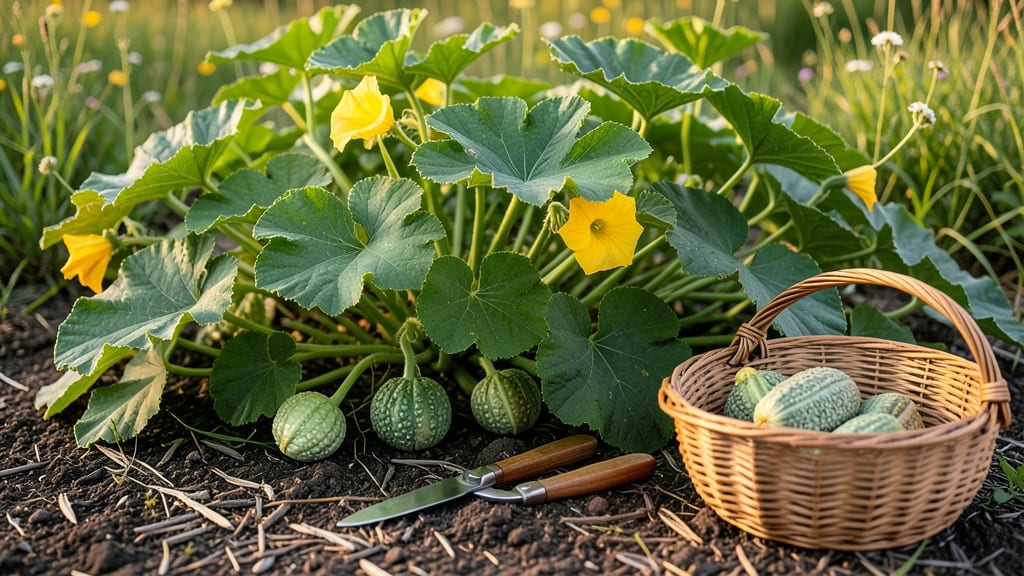
To tell if buttercup squash is ripe, you’ll need to check for three key signs: a deep yellow-orange skin 🎃, a clean stem break, and a firm, heavy feel.
Picking a buttercup squash at the perfect moment ensures rich, sweet flavor and ideal texture—but how do you know when it’s truly ripe? One wrong harvest could leave you with bland, tough, or even overripe squash.
The stem twist test is your best friend here, but there are other clues too.
This guide breaks down the most reliable methods to judge ripeness, from visual cues like skin color to tactile checks like firmness. You’ll also learn how seasonal factors can trick you into picking too early or too late.
By the end, you’ll confidently harvest buttercup squash at its peak—ready for roasting, baking, or storage—for the best flavor and texture every time.
The stem twist test: the most reliable way to judge buttercup squash ripeness
Determining the perfect moment to harvest your buttercup squash can feel like guessing—until you master the stem twist test. This simple, tactile method gives you 90% accuracy in judging ripeness by evaluating the stem's resistance and separation point.
Unlike visual cues alone, which can be misleading, the twist test combines physical feedback with visual confirmation for foolproof results.
Buttercup squash reaches peak flavor and texture when fully ripe, but harvesting too early means bland, tough flesh, while waiting too long risks overripe squash that spoils quickly.
The twist test helps you strike that balance by focusing on the stem's structural integrity—a key indicator the fruit is ready to pick. Let’s break down exactly how to perform this test correctly.
Timing is everything when performing the twist test. I recommend testing squash in the morning after dew has dried—this ensures the stem isn’t slippery or overly moist, which can give false readings.
Avoid testing after heavy rain, as excess moisture can make the stem appear riper than it actually is.
The twist test works best when combined with other ripeness indicators, like size and weight. A fully ripe buttercup squash typically measures 4-6 inches in diameter and feels heavy for its size, thanks to its dense, sweet flesh.
If the stem passes the twist test but the squash is smaller than expected, it might still need a few more days on the vine.
One common mistake is twisting the stem too hard or too fast. Patience is key—apply gentle, steady pressure to avoid damaging the squash or getting an inaccurate reading.
If you twist too aggressively, you might snap the stem prematurely, leading you to harvest the squash too early. Think of it like turning a doorknob: smooth and controlled.
For gardeners in USDA Zone 6 or warmer, buttercup squash typically ripens between late summer and early fall, aligning with the plant’s 60-75 day growth cycle. If you’re in a cooler climate, start your squash indoors or use row covers to extend the growing season.
The twist test remains just as reliable regardless of your location, as it focuses on the plant’s physiological readiness rather than external factors.
Once you’ve mastered the twist test, you’ll never second-guess your buttercup squash harvest again. This method ensures you pick your squash at its peak flavor and texture, making every bite worth the effort.
Plus, knowing exactly when to harvest means you’ll avoid the disappointment of underripe or overripe squash—both of which can ruin a meal.
Pro tip: If you’re harvesting multiple squash, test the oldest-looking fruit first. Buttercup squash tends to ripen unevenly, so the first one to pass the twist test is likely the ripest. This approach helps you prioritize and ensures you’re always harvesting at the perfect moment.
5 Visual and physical signs buttercup squash is perfectly ripe (beyond the stem)
While the stem twist test is your first line of defense for determining buttercup squash ripeness, other visual and tactile clues confirm you’ve got a winner. These secondary signs help you avoid underripe or overripe squash, ensuring you harvest at peak flavor and texture.
Let’s explore the key indicators that go beyond just checking the stem.
First, pay attention to the skin color of your buttercup squash. At maturity, the skin should transition from pale green to a deep golden yellow or orange hue.
This color change signals that the squash has fully developed its natural sugars. However, avoid waiting until the skin turns dull or develops brown spots, as this indicates overripeness.
Next, examine the size and shape of the squash. A fully ripe buttercup squash typically measures between 4 to 6 inches in diameter and maintains a rounded, slightly oblong shape.
If the squash feels disproportionately large or lopsided, it may have outgrown its ideal size, which can affect both flavor and texture.
- 1 Skin Color: Deep golden yellow or orange (avoid dull or brown patches).
- 2 Size: 4-6 inches in diameter, rounded shape (not lopsided or oversized).
- 3 Weight: Feels surprisingly heavy for its size (indicates dense flesh).
- 4 Sound: Hollow or slightly echoey when tapped gently (like a drum).
- 5 Leaves: Nearby leaves yellow and die back (natural senescence).
Don’t overlook the weight of the squash—ripe buttercup squash feels surprisingly heavy for its size. This weight comes from dense, water-rich flesh, which is a hallmark of perfect ripeness. If the squash feels light or hollow, it’s likely underripe and still developing.
For an extra layer of confirmation, give your squash a gentle tap with your knuckles. A ripe buttercup squash produces a hollow or slightly echoey sound, almost like a drum.
This indicates that the seeds inside have fully developed and the flesh is firm. Skip this test if the squash feels soft or mushy, as it’s likely overripe.
Finally, observe the leaves surrounding the squash. As the fruit matures, the plant redirects nutrients to the squash, causing nearby leaves to yellow and die back.
This natural process, called senescence, is a clear signal that the squash is ready for harvest. Combine this visual cue with the other indicators for foolproof results.