
Vegetables
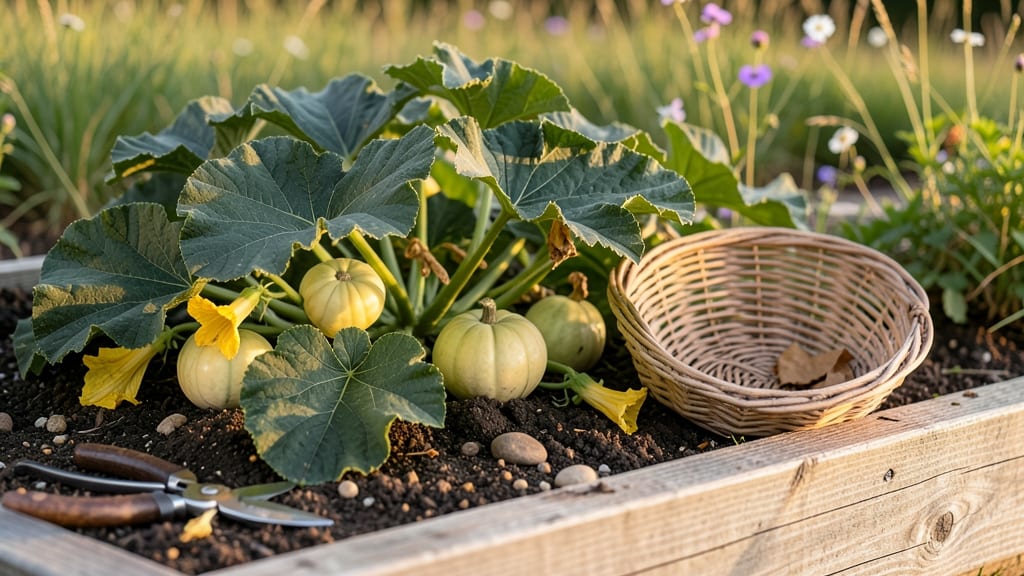
Buttercup squash is ready to pick when its skin turns a deep, consistent yellow or orange and feels firm to the touch 🎃 — usually 55 to 65 days after planting.
Picture this: you’ve nurtured your Buttercup squash all season, and now the moment of truth arrives. One wrong move, and you’ll end up with a meal that’s either too bland or too seedy.
The key? Knowing the exact visual cues that signal peak ripeness before the vines start to die back.
This isn’t just about guessing—it’s about four simple checks that take less than a minute. From the color of the rind to how it sounds when tapped, I’ll walk you through the foolproof way to harvest at the perfect moment, so your squash tastes sweeter and stores longer.
Ready to avoid the common mistakes that turn a great harvest into a disappointment? Let’s dive into the signs you’ve been missing—and how to time your pick for flavor that rivals the farmers’ market.
4 Visual signs buttercup squash is ready for harvest (with photos)
Buttercup squash reaches its peak flavor when harvested at the right moment—too soon, and it’s bland; too late, and it becomes tough. The key lies in four visual and tactile cues that signal perfect ripeness.
I’ve grown these for years, and these signs never fail me. Let’s break them down so you can pull your squash at its sweetest.
First, pay attention to the rind color. Mature buttercup squash develops a deep, consistent hue—either golden yellow or rich orange—with no green patches. Immature squash often has pale, uneven coloring. I always check for this first because it’s the most obvious clue.
A fully colored rind means the squash has been baking in the sun long enough to develop its signature sweetness.
⚠️ Common Mistake: Some gardeners wait for the squash to turn completely white or pale yellow, thinking it’s overripe. That’s actually a sign of overmaturity and poor flavor. Stick with the deep, vibrant colors for the best taste.
| Sign | Description | Action |
|---|---|---|
| Rind Color | Deep, consistent yellow/orange; no green | Harvest when fully colored |
| Stem Condition | Dries and browns at attachment point | Use pruners 1 inch above fruit |
| Size Benchmark | 6-8 inches in diameter; heavy for size | Weigh in hand—ready squash feels dense |
| Vine Behavior | Leaves near fruit yellow/brown | Pick before vines wither completely |
The stem attachment is another critical clue. When buttercup squash is ready, the stem where it connects to the vine will dry out and turn brown. This happens naturally as the squash matures.
I always check this spot because it tells me the plant is redirecting nutrients to the fruit. If the stem is still green and firm, wait a few more days.
Next, consider the size and weight of the squash. At maturity, buttercup varieties typically measure 6–8 inches in diameter and feel surprisingly heavy for their size. When I hold a ripe squash, it’s almost too heavy to lift—like a small bowling ball.
If yours feels light, it’s not ready yet. This weight comes from the dense flesh inside, which is packed with flavor.
Finally, watch the vine behavior around your squash. As the fruit nears harvest, the leaves closest to it will start yellowing and dying back. This is the plant’s way of saying, “I’ve done my job—pick it now!”
I’ve learned the hard way that waiting too long after this happens leads to tough, stringy flesh. The vine’s signal is your last chance to get it right.
One mistake I see often is harvesting based on days alone. Buttercup squash typically matures in 50–65 days, but environmental factors like heat or rain can speed this up.
Always check the visual cues first—they’re more reliable than a calendar. Pro tip: Mark your planting date and track these signs instead of guessing.
To harvest, use a sharp knife or pruners to cut the stem 1 inch above the squash. Avoid twisting or pulling, which can damage the vine. Handle the fruit gently—its skin is delicate when ripe.
After picking, let it cure in a dry, shady spot for 3–5 days to develop its full flavor. Store in a cool, dark place for up to 3 months.
Now that you know these four signs, you’ll never miss the perfect moment to harvest buttercup squash again. The difference in flavor between a properly timed pick and one that’s late is night and day—trust me, your taste buds will thank you! 🌱🎃
How to test buttercup squash ripeness: the seed and skin trick
Buttercup squash reaches its peak flavor when harvested at the perfect moment—neither too soft nor overripe. The secret lies in two simple tricks: seed color and skin hardness. These tactile tests help you determine whether your squash is ready for storage or best used fresh.
I’ve learned that ignoring these cues can mean the difference between a sweet, nutty harvest and a bland or stringy disappointment.
Start by examining the skin texture—a ripe buttercup squash should feel firm enough to resist gentle pressure from your fingernail. If it dents easily, it’s not ready yet. Meanwhile, check the seed cavity by cutting a small slit near the stem.
Fully ripe seeds will be hard and yellowish-brown, while underripe seeds stay soft and pale. These visual and tactile clues are your roadmap to harvesting perfection.
⚠️ WARNING: Overripe vs. Underripe Buttercup Squash ⚠️
- Skin: Soft, wrinkled, or cracked
- Seeds: Dark brown/black, shriveled
- Flavor: Stringy, bitter, or mealy
- Action: Use immediately or compost—these won’t store well.
- Skin: Tender, easy to puncture
- Seeds: Soft, pale, or still growing
- Flavor: Bland, watery, or seedy
- Action: Wait 3–5 days and retest.
Pro Tip: Harvest in the morning for the freshest flavor and firmest skin.
For storage life, aim to harvest buttercup squash when the skin is deep yellow-orange and the seeds are fully hardened. These squash store best in a cool, dry place for 2–3 months, making them ideal for fall and winter meals.
If you’re planning to cook immediately, you can harvest slightly earlier when the skin is firm but still slightly tender—this ensures a sweeter taste right out of the garden.
One trick I swear by is the "thumb test"—press your thumb firmly into the squash’s skin. If it leaves a slight dent but doesn’t puncture, it’s ready. Pair this with the seed check, and you’ll never guess wrong again.
Remember, buttercup squash matures quickly, so check your plants every 2–3 days once they near the 55–65 day mark after planting.
If your squash starts to wither on the vine, it’s a sign of overripeness. In this case, harvest immediately—even if the skin feels tough—to salvage what you can. Overripe buttercup squash loses its sweetness fast, so don’t wait too long.
For the best results, pick on a dry morning after the dew has evaporated. This helps the skin dry faster, reducing the risk of rot during storage.
Finally, keep an eye on the vine’s health. When the plant’s leaves begin to yellow and the vines wither, it’s your final cue that the squash is ready.
At this stage, the fruit will have reached its peak sugar content, making it ideal for both short-term cooking and long-term storage. With these tricks, you’ll never second-guess your buttercup squash harvest again!