
Vegetables
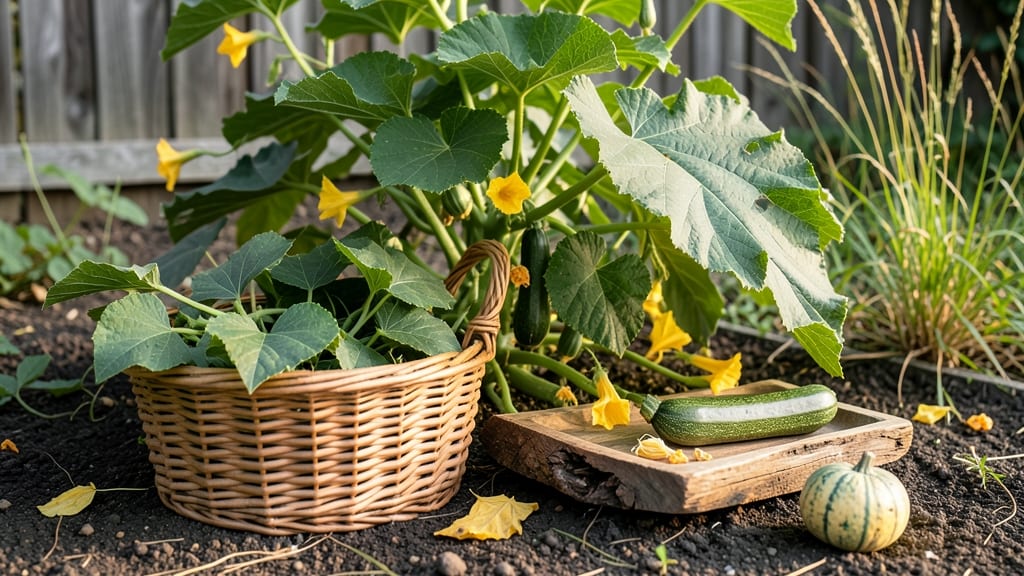
Knowing the exact winter squash harvest time transforms a guess into a sweet, flavorful victory—because that 🎃 you’ve nurtured for months won’t keep its peak taste unless you time it right.
Picture this: you’ve spent all summer tending to your winter squash, only to pull it too early and end up with bland, watery flesh—or worse, wait too long and watch it rot on the vine.
The difference between a perfect harvest and a wasted crop often comes down to just a few days.
In USDA Zone 6a, where frost typically arrives by mid-October, most winter squash varieties reach maturity between late September and October. But how do you know exactly when yours is ready?
It’s not just about the calendar—it’s about the rind’s hardness, the stem’s dryness, and even the color’s depth.
Below, I’ll walk you through the key signs to harvest at the perfect moment, how to cure your squash for maximum sweetness, and what to do if you miss the window. No more second-guessing—just flavor-packed squash that lasts through winter.
How to determine the exact winter squash harvest time by variety
Winter squash varieties mature at different rates, and harvesting at the right time ensures maximum sweetness and longer storage life. Each type—like butternut, acorn, or pumpkin—has unique cues.
Ignoring these can lead to bland, short-lived produce or wasted effort. Let’s break down the exact signals for each variety so you never miss the perfect harvest window.
First, check the rind hardness, which is the most reliable indicator. A ripe winter squash should feel rock-hard when pressed with your fingernail—if it dents, it’s not ready. Pair this with stem changes and color development, and you’ll know exactly when to harvest.
For example, a kabocha squash will have a glossy, deep green rind, while a butternut turns a rich tan.
Timing also depends on your climate zone and planting date. In USDA Zone 6a, most varieties mature between 90–120 days after planting. However, cooler temperatures slow growth, so adjust your expectations if frost threatens early.
Always harvest before the first hard frost, or the squash may spoil before you can enjoy it.
🎃
| Variety | Rind Color | Stem Condition | Hardness Test | Days to Maturity |
|---|---|---|---|---|
| Butternut | Tan/beige with green neck | Dries and hardens | Fingernail cannot pierce | 85–100 days |
| Acorn | Deep green or tan | Shrivels slightly | Hard as a rock | 90–110 days |
| Pumpkin | Orange (or white/green for varieties) | Dries and turns brown | No dent from fingernail | 100–120 days |
| Kabocha | Glossy green or deep orange | Hardens and darkens | Impossible to puncture | 90–105 days |
For butternut squash, watch for the neck to turn tan while the rest remains green. The rind should be thick and unyielding, and the stem should feel dry to the touch.
If you cut open a seed cavity, the seeds should be plump and fully formed, not shriveled or still developing. This variety often matures earlier than others, so stay vigilant.
When harvesting acorn squash, focus on the color shift from green to a deeper hue. The skin should be too tough to cut with a knife, and the stem will have shriveled slightly.
Overripe acorn squash loses sweetness, so don’t wait too long. If the vines start dying back, it’s a clear sign to harvest soon.
Pumpkins are the most forgiving but require patience. Their stem will harden and turn brown, and the rind should be impenetrable to your fingernail. A hollow sound when tapped is another clue. If you’re growing pumpkins for carving, leave them on the vine slightly longer for a thicker rind, but for eating, harvest at peak ripeness for the best flavor.
Japanese kabocha squash has a unique glossy finish when ripe. The rind should be smooth and firm, and the stem will darken. Unlike other varieties, kabocha often ripens faster in cooler weather, so monitor closely in late summer.
If the skin feels soft or the stem is still green, wait a few more days.
To test for doneness, try the seed cavity check. Cut a small section near the stem—if the seeds are plump and white, it’s ready. Shriveled or black seeds mean it’s overripe.
This method works for all winter squash varieties and ensures you harvest at the perfect moment for sweetness and storage potential.
🪴
5 Signs your winter squash is ready to harvest (before it’s too late)
Winter squash like butternut and acorn reach peak flavor when harvested at the right time. The difference between a perfectly sweet squash and one that’s bland or spoils quickly often comes down to these 5 key indicators.
Ignoring them can mean wasted effort—or worse, a harvest that won’t store well.
Many gardeners make the mistake of waiting until the squash looks "big enough," but size alone isn’t enough. You need to check for maturity cues that tell you the squash is ready to be picked.
These signs ensure your squash will have the best flavor and longest storage life, lasting months in a cool, dry place.
🔍 5 Signs Your Winter Squash Is Ready
- 🎃 1. Rind Hardness: Press your fingernail into the skin—if it doesn’t puncture easily, the squash is ready. A soft rind means it needs more time.
- 🍂 2. Stem Dries Out: The stem where the squash attaches to the vine should feel dry and papery. A green, moist stem means it’s not mature yet.
- 🌾 3. Color Fully Develops: Check for deep, consistent color (e.g., butternut’s golden hue or acorn’s tan). Uneven color means it’s not fully ripe.
- 🌱 4. Vines Begin to Die Back: Healthy vines should start yellowing and dying naturally. If they’re still green and growing, the squash isn’t ready.
- 💡 5. Seeds Turn Dark: Cut open a squash to check—if the seeds are fully developed and dark, it’s harvest time. Pale seeds mean it’s not mature.
One of the biggest mistakes I see is harvesting squash too early because it’s "big enough." Underripe squash lacks sweetness and won’t store well. On the flip side, leaving it too long on the vine can lead to overripe squash, which becomes stringy and loses flavor.
Always double-check these signs before picking.
Another common error is harvesting after the first frost. While winter squash can tolerate light frosts, heavy frost damages the skin and ruins storage potential. Pick before frost—even if the squash isn’t perfectly mature—to avoid spoilage. A slightly underripe squash will still cure well indoors.
If you’re unsure whether your squash is ready, use the fingernail test as your go-to method. Combine it with the other signs, and you’ll never miss the harvest window again. Once you’ve confirmed readiness, cure your squash properly to lock in that sweet flavor for months.
Pro tip: Harvest on a dry, sunny day to prevent rot. Use a sharp knife or pruners to cut the squash from the vine, leaving a small stem intact. This helps it cure faster and lasts longer in storage. 🎃