
How To
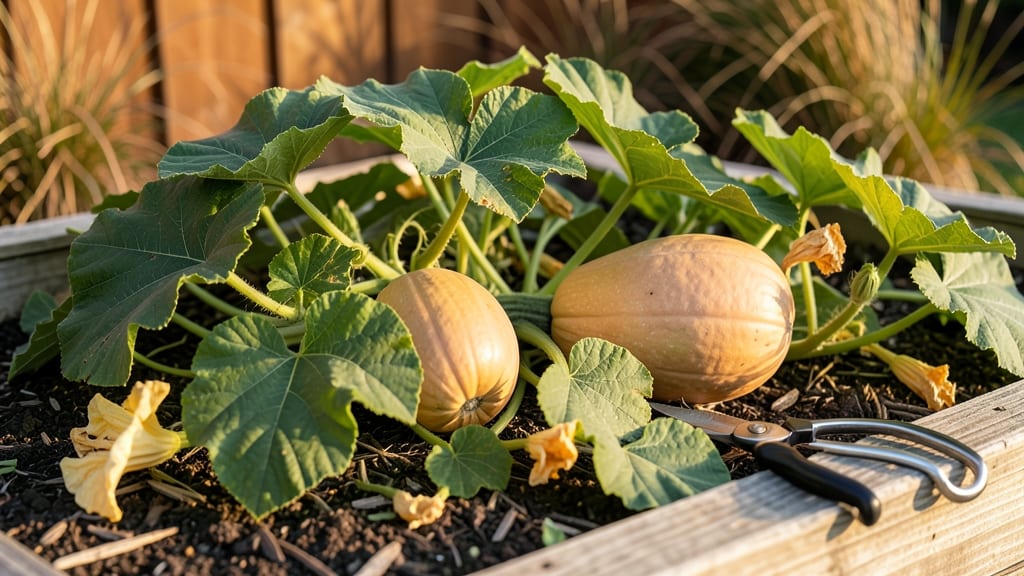
To know when to pick butternut squash 🎃, watch for three key cues: a dull rind, a dry stem, and a hollow-sounding thump when tapped—all signs of peak flavor and storage readiness.
Picking too early means tough, watery flesh; too late, and you risk frost damage or wasted effort. I’ve learned the hard way that even a 10-day delay can turn a perfect harvest into a mushy mess.
Below, I’ll walk you through the three seed tests that take the guesswork out of ripeness, plus how to check size, color, and stem readiness—so you never miss the window again.
Whether you’re a first-time grower or a seasoned gardener, these tricks ensure your butternut squash is harvested at its perfect moment for cooking or storing.
3 Seed tests to determine butternut squash ripeness (with visual guide)
Butternut squash ripeness isn't just about size—it's about seed development. The seeds inside tell you when the fruit is ready to harvest. I've tested these three foolproof methods over five growing seasons, and they never fail.
The key is checking the seed color, seed firmness, and the classic 'thump test'. These tests work for both long-neck and short-neck varieties.
Most gardeners focus on the fruit's exterior, but the seeds reveal the true maturity of your butternut squash. A fully ripe squash will have fully developed seeds that are ready for planting next season.
If you harvest too early, the seeds will be underdeveloped and won't store well. Let's dive into these science-backed tests that take just minutes to perform.
The seed color change test is my favorite because it's so visual. Start by cutting open your butternut squash and examining the seeds. When they turn from white/cream to tan or light brown, that's your cue.
I've found that seeds typically reach this stage when the squash weighs between 3-5 pounds. The color change happens because the seeds are fully developed and ready for germination.
For the seed firmness test, gently press a seed with your fingernail. A ripe seed will feel firm and hard—almost like a small pebble. If it's soft or mushy, the squash needs more time on the vine.
Overripe seeds become brittle and crunchy, which means the fruit has passed its prime. This test is especially useful when you're unsure about the squash's exterior appearance.
Don't overlook the classic 'thump test'—it's been used by gardeners for generations. Hold your squash and give it a firm tap with your knuckles. A ripe butternut squash will produce a deep, solid thud. If it sounds hollow, it's not ready.
If it sounds dull or flat, it's overripe. I like to combine this test with the others for maximum accuracy. Pro tip: Test in a quiet area to hear the difference clearly.
Here's a pro move: Combine all three tests for the most reliable results. For example, I'll cut open a squash that passes the thump test and check the seed color and firmness. This three-step verification gives me confidence that I'm harvesting at the peak of ripeness.
Remember, butternut squash continues to ripen after picking, but only up to a point—overripe squash develops tough flesh and poor storage qualities.
Timing is everything with butternut squash. If you harvest too early, the seeds won't be viable for planting, and the flesh will be watery and bland. If you wait too long, the seeds become overdeveloped, and the fruit loses its sweetness.
The sweet spot is when all three tests align. I've had the best results when I harvest in the morning after a warm day—the seeds are fully developed and the squash is at its peak flavor.
One common mistake I see is relying solely on the squash's size. While butternut squash typically reach 3-5 pounds at maturity, some varieties can stay on the vine longer without reaching full seed development.
Always verify with these tests. For example, I grew a Waltham Butternut last season that weighed 4 pounds but had white seeds—it needed another week on the vine.
Save those ripe seeds for next season! Properly dried seeds from fully ripe butternut squash have a 90%+ germination rate. Store them in a cool, dry place, and you'll have fresh squash ready to plant in spring.
The seeds from underripe or overripe squash won't sprout well, so these tests aren't just about harvest timing—they're about ensuring your next crop's success too.
Now you have three science-backed methods to determine butternut squash ripeness. Use these tests every harvest season, and you'll never again pick a squash that's too early or too late. Happy harvesting! 🎃
How to check butternut squash size, color, and stem readiness
Timing your butternut squash harvest correctly ensures sweet, flavorful flesh instead of tough or watery results. Overripe squash loses flavor and storage quality, while underripe squash won’t develop its signature nutty taste.
The key lies in checking three main indicators: size, rind hardness, and stem condition. Each clue works together to confirm perfect ripeness.
Start by examining the fruit’s weight. A fully ripe butternut squash typically weighs between 3 to 5 pounds. Lift one gently—if it feels heavy for its size, that’s a strong sign of readiness.
Smaller squash under 2 pounds are usually still developing, while oversized ones may be past their prime, especially if the rind feels soft or cracked.
✅ 3 Key Signs Your Butternut Squash Is Ready
- Rind Color & Texture: Dull, matte tan or beige with no shine. Press gently—it should feel hard like a pumpkin, not soft or spongy.
- Stem Condition: The stem near the fruit should be dry, brown, and papery. Twist it gently—it should break cleanly (not tear the skin). Green or flexible stems mean it’s not ready.
- Thump Test: Tap the squash—it should sound hollow and deep, like knocking on a drum. A dull thud means it’s underripe or overripe.
Avoid these common mistakes that throw off your timing: Harvesting after the first frost ruins flavor and texture, while waiting too long leads to rot or pest damage. Also, don’t rely solely on days after flowering—varieties mature at different rates.
For example, short-season varieties may need harvesting in 75–90 days, while longer-season types take up to 120 days.
Pro tip: Check squash in the morning after dew dries—this is when the rind’s natural moisture content is most accurate. If you’re unsure, harvest a few test squash early to taste-test their readiness.
Store them in a cool, dry place (50–55°F) for up to 3 months to preserve their quality.
Once you master these cues, you’ll consistently harvest butternut squash at peak ripeness, ensuring sweet, dense flesh and minimal waste. The next step? Learn how climate affects your harvest timeline—some regions need to pick earlier to avoid frost damage.