
Planting
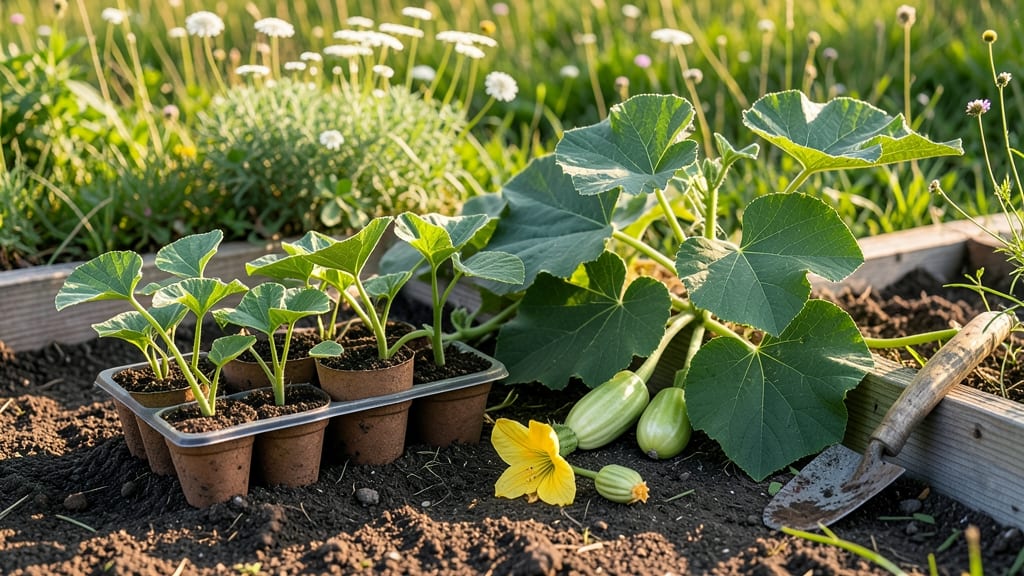
Mastering how far apart to plant squash and zucchini transforms your garden from crowded chaos to a thriving, high-yielding harvest.
If you've ever watched your squash vines sprawl into each other, leaving you with misshapen fruit and powdery mildew, you know the struggle. The right distance between plants isn't just about avoiding crowding; it's about maximizing airflow, sunlight, and yield for both bush and vining varieties.
Here’s what you need to know: bush types (like 8-inch zucchini) thrive with 3 feet between plants, while vining varieties (like 6-foot butternut squash) demand 5-6 feet to stretch out. Get this wrong, and you’ll either fight for every inch of space or watch your plants suffocate.
Below, I break down the exact spacing for your garden layout—whether you're working with rows, containers, or small spaces—plus how to adjust for companion plants and soil conditions to keep your squash and zucchini thriving all season.

Ideal spacing for bush vs. vining squash and zucchini: a planting guide
When planning your summer squash and zucchini garden, proper spacing is the foundation of a thriving harvest. Bush varieties like 'Eight Ball' zucchini pack high yields in compact areas, while vining types such as 'Straightneck' squash sprawl dramatically.
Getting this wrong means either wasted space or plants struggling with disease. Let’s break down the exact measurements for each type to maximize your garden’s potential.
For bush squash and bush zucchini, think of them like compact shrubs—each plant needs room to breathe but doesn’t demand acres. Vining varieties, on the other hand, behave more like sprawling vines, needing ample room to stretch out.
The key difference lies in their mature spread and how they utilize vertical space. Let’s dive into the specifics to ensure your plants grow strong and healthy.
Plant depth is another critical factor—both types should be sown 1 inch deep, but their spacing above ground varies wildly. Bush types thrive in tight rows, while vining squash need wide aisles for their wandering vines. Below, you’ll find a detailed comparison to help you plan your layout like a pro.
| Type | Plant Spacing (inches) | Row Spacing (feet) | Hill Spacing (feet) | Notes |
|---|---|---|---|---|
| Bush Zucchini | 18-24" | 3-4' | 3-4' | Compact growth, high yield per plant |
| Bush Squash | 24-36" | 4-5' | 4-5' | Slightly larger footprint than zucchini |
| Vining Zucchini | 36-48" | 5-6' | 5-6' | Needs trellis or wide space |
| Vining Squash | 48-60" | 6-8' | 6-8' | Most sprawling, needs ample room |
Now that you’ve got the spacing down, let’s talk about companion planting. Pairing squash and zucchini with marigolds or nasturtiums deters pests like squash bugs, while beans or corn can share space in a three-sisters garden.
Just avoid planting near potatoes or fennel, as they compete for nutrients and stunt growth.
If you’re working with limited space, consider container gardening for bush varieties. A 5-gallon pot can comfortably hold one bush zucchini plant, while vining types need at least 15-gallon containers with trellises. Always ensure containers have drainage holes to prevent root rot—a common issue with overwatered squash.
For row spacing, leave at least 3 feet between rows to allow easy access for harvesting and weeding. This also improves air circulation, reducing the risk of powdery mildew and other fungal diseases.
Mulching with straw or grass clippings helps retain moisture and keeps weeds at bay while protecting the soil from erosion.
Remember, soil health plays a huge role in how well your plants grow. Amend your soil with compost before planting to ensure it’s rich in organic matter. Squash and zucchini are heavy feeders, so a balanced fertilizer (like 10-10-10) applied every 4-6 weeks will keep them producing all season long.
Finally, don’t forget to thin your seedlings once they’ve sprouted. Keeping only the strongest plant per hill ensures it has enough resources to grow into a productive adult.
If you’re planting seeds in hills, space them 2-3 seeds per hill and thin to one after the first true leaves appear.
With these spacing guidelines, you’ll be well on your way to a bountiful harvest of squash and zucchini—whether you’re a beginner or a seasoned gardener. Happy planting! 🌱
How to adjust spacing for different garden conditions: containers, raised beds, and small spaces
When your garden space is limited, squash and zucchini can still thrive with the right adjustments. Container gardening and raised beds let you grow these space-hungry plants efficiently. The key is understanding how to adapt spacing without sacrificing yield or health.
Whether you're working with a tiny balcony or a compact raised bed, these strategies will help you maximize every inch.
For containers, choose bush varieties like 'Eight Ball' zucchini, which stay compact at 2-3 feet wide. Use large pots (at least 12 inches deep) with well-draining soil to prevent root bound conditions.
Place one plant per container to avoid competition, and ensure the pot has drainage holes to prevent root rot from overwatering.
Raised beds offer more flexibility, but spacing still matters. If you're growing vining varieties like 'Straightneck' squash, plant them 3 feet apart along the bed's edge. For bush types, reduce spacing to 2 feet between plants while leaving 18 inches between rows. This creates a microclimate that improves airflow and reduces disease risk.
- 🪴 Containers: 1 plant per 12"+ pot (bush types only). Use lightweight potting mix to avoid overwatering.
- 🌱 Raised Beds: 2-3 ft spacing for bush varieties, 3-4 ft for vining types. Plant in single rows along bed edges.
- 🌿 Small Spaces: Interplant with shallow-rooted crops like basil or lettuce to fill gaps.
- 🪜 Trellising: Train vining squash upward with 5-6 ft trellises to save 80%+ space.
- 🌡️ Heat Tips: Mulch heavily in small spaces to retain moisture and cool roots.
In small spaces, interplanting is your best friend. Pair zucchini with shallow-rooted herbs like thyme or oregano, which thrive in the dappled shade of squash leaves. Avoid competing plants like tomatoes or peppers, which need similar nutrients.
If you're growing vining squash, use trellises or cages to guide them upward, saving up to 80% of ground space while improving harvest access.
Don’t forget to prune aggressively in small gardens. Remove excess vines that sprawl beyond your designated area, focusing on the main stem and fruit-bearing branches. This redirects energy to larger, healthier produce while keeping your garden tidy.
For container-grown plants, pinch off flowers early to encourage bushier growth before fruiting begins.
Finally, monitor your plants weekly for signs of stress like yellowing leaves or stunted growth, which often signal overcrowding. If you notice these issues, thin out weak or crowded plants immediately. With these adjustments, you’ll enjoy a bountiful harvest—even in the smallest of spaces!