
How To
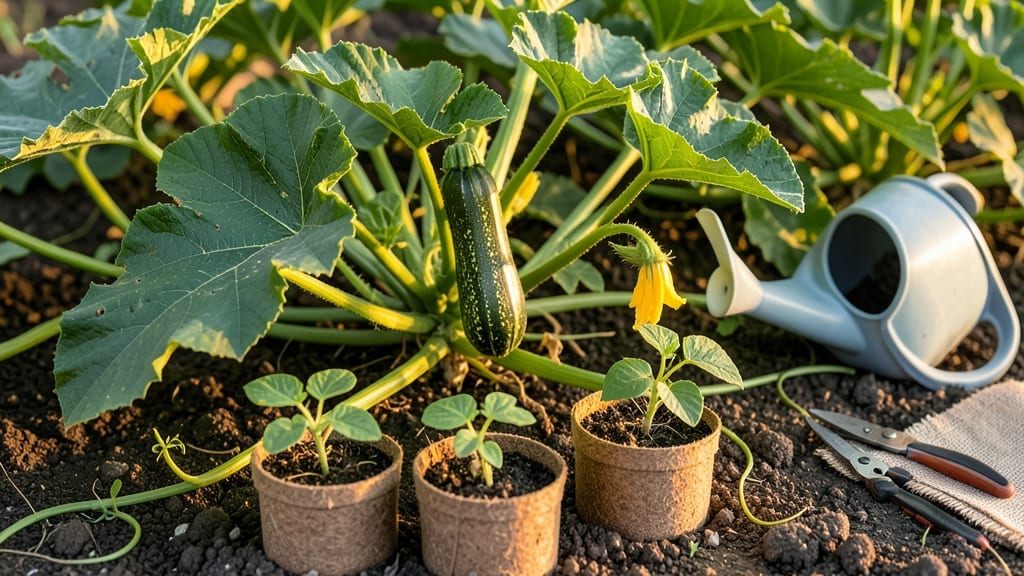
Knowing how far apart to plant squash is key—crowding leads to smaller harvests, more pests, and a battle for sunlight 🎃, while the right spacing transforms your patch from a struggle into a thriving bounty.
If you’ve ever watched your zucchini vines sprawl into a tangled mess or your pumpkins fight for space, you know how quickly things go wrong.
The secret isn’t just about throwing seeds in the ground—it’s about giving each plant the room it needs to grow strong, whether it’s a compact bush variety or a sprawling vine.
In this guide, I’ll break down the exact spacing rules for bush vs. vining squash, including how soil type, variety, and even your garden layout can change the numbers. You’ll learn the ideal distances for 12+ common varieties, plus how to fix common mistakes like overcrowding or poor airflow.
By the end, you’ll have a clear plan to space your squash for maximum yield, fewer pests, and easier harvests—no guesswork required.

Bush vs vining squash spacing: key differences and why they matter
When planning your squash garden, the first decision you'll face is whether to grow bush squash or vining squash varieties.
These two types have dramatically different spacing needs that directly impact your harvest. Bush varieties like zucchini and pattypan stay compact, while vining types such as butternut and spaghetti squash spread aggressively. Getting this right means the difference between a thriving garden and one plagued by disease and poor yields.
Proper spacing ensures each plant gets adequate sunlight exposure, root development space, and air circulation—all critical for preventing fungal diseases like powdery mildew. For example, crowding vining squash can lead to tangled vines that smother fruits and create ideal conditions for pests.
Meanwhile, bush varieties need precise spacing to maximize their high-yield potential without competing for nutrients.
Let's break down the critical differences in a comparison table to help you visualize the ideal spacing for each type:
| Factor | Bush Squash | Vining Squash |
|---|---|---|
| Plant Type Examples | Zucchini, Pattypan, Scallop | Butternut, Spaghetti, Acorn |
| Mature Spread | 2-3 feet wide | 8-10+ feet wide |
| In-Row Spacing | 18-24 inches apart | 36-48 inches apart |
| Row Spacing | 3-4 feet apart | 5-6 feet apart |
| Root System | Compact, shallow roots | Deep, extensive roots |
| Sunlight Needs | 6-8 hours full sun | 6-8 hours full sun |
| Airflow Requirement | Moderate (foliage dense) | High (sprawling vines) |
| Yield per Plant | High (multiple fruits) | Lower (1-2 large fruits) |
| Best For | Small gardens, containers | Large plots, trellises |
The root system of each type plays a huge role in spacing decisions. Bush squash develop compact root systems that don't spread far, making them ideal for smaller gardens or container growing.
Their high-yield potential means you can fit more plants in a given space, but you must maintain the 18-24 inch spacing to prevent competition. If you squeeze them too close, you'll see fewer but larger fruits at the expense of overall productivity.
On the other hand, vining squash varieties like butternut squash send out long, sprawling vines that can reach 10 feet or more. These plants need ample space to spread out and develop their extensive root systems, which can grow several feet deep.
The 36-48 inch spacing isn't just about the vines—it's also about giving those roots room to explore and access nutrients without competing with neighbors.
Another critical factor is air circulation. Vining squash with their sprawling habits create dense canopies that trap moisture, creating perfect conditions for powdery mildew and other fungal diseases. Proper spacing—especially the wider row spacing of 5-6 feet—allows air to move freely through the garden, reducing disease pressure.
For bush varieties, while they're less prone to sprawling, maintaining good airflow between plants still prevents leaf wetness that invites fungal spores.
Let's consider how these spacing rules play out in real-world scenarios. If you're growing zucchini (a bush type), you can fit about 4-6 plants in a 4x4 foot raised bed, arranged in a grid pattern. But if you're planting <
Optimal planting distances for squash: a variety-specific guide
Getting the planting distances right for your squash varieties can mean the difference between a bountiful harvest and struggling plants. Each type—whether bush zucchini or sprawling butternut—has unique spacing needs to ensure proper airflow, sunlight exposure, and root development.
I’ve grown everything from compact pattypan squash to vining spaghetti squash, and the spacing rules make all the difference in avoiding powdery mildew and maximizing yield.
For most gardeners, the biggest challenge is balancing row spacing with in-row spacing. Bush varieties like zucchini or summer squash can handle tighter in-row spacing, while vining types like pumpkins or winter squash need wider rows to accommodate sprawling vines.
Below, I’ve broken down the exact measurements for 12+ popular varieties, plus adjustments for containers, raised beds, and traditional in-ground plots.