
Vegetables
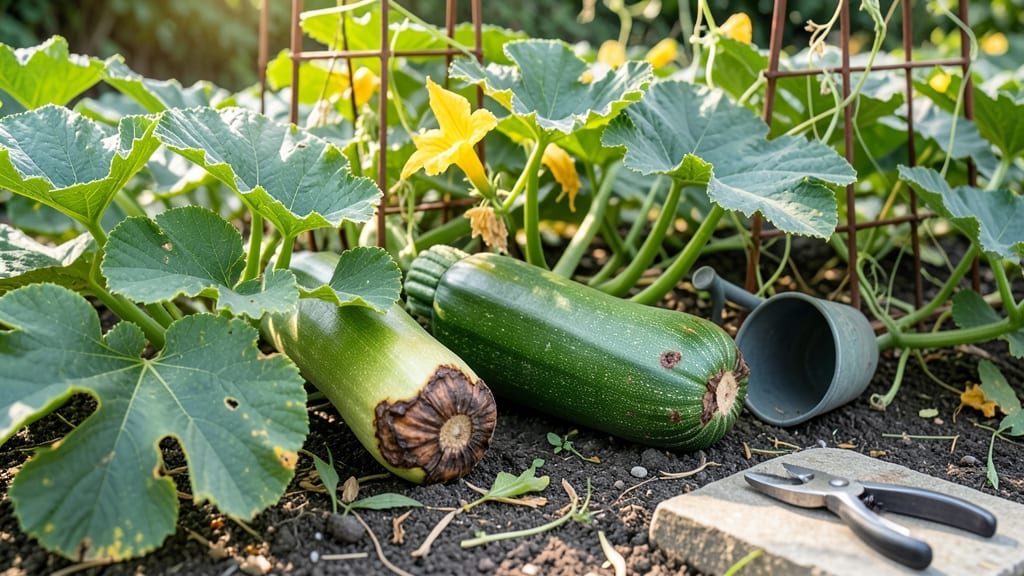
That ugly end rot on squash could be ruining your harvest—here’s how to stop it fast. That’s end rot—and it’s easier to fix than you think. 🌱 I’ve saved dozens of squash plants from this frustrating issue by focusing on just two things: consistent watering and calcium-rich soil.
The good news? You don’t need fancy tools or expensive amendments to turn things around.
End rot happens when squash can’t absorb enough calcium, usually because the soil is too dry or too wet, or because the plant is struggling to take up nutrients. Overwatering or letting plants go bone-dry between waterings creates the perfect storm for blackened, mushy spots at the blossom end.
Even healthy-looking plants can be hiding a calcium deficiency until it’s too late.
Here’s the simple fix: keep soil evenly moist (not soggy, not dry) and add crushed eggshells or a balanced fertilizer with calcium to the soil. Within a few weeks, your new growth will stay firm and vibrant.
The best part? This trick works for zucchini, summer squash, and even pumpkins—no matter how many you’re growing.
Once you’ve got the watering and soil right, rotate crops next season to prevent stress. Healthy soil means fewer problems and more harvests. Let’s get those squash looking (and tasting) perfect again!
The Hidden Triggers Behind Squash Decay
When your squash develops those unsightly blackened patches at the stem end, it’s not just a cosmetic issue—it’s a sign of end rot, a common but frustrating condition caused by a mix of environmental and physiological factors.
Understanding these triggers is the first step to saving your harvest. Here’s what’s really going wrong, broken down into the key culprits.
Squash are thirsty plants, but they despise inconsistency. End rot thrives when watering habits create stress:
- Inconsistent moisture: Alternating between drought and overwatering disrupts calcium uptake. Calcium is the "glue" that holds plant cell walls together—without it, cells collapse, leading to rot. Think of it like a brick wall without mortar.
- Poor drainage: If your soil stays soggy, roots can’t absorb oxygen or nutrients efficiently. This triggers a chain reaction: anaerobic conditions (low oxygen) weaken the plant, making it vulnerable to rot.
- Late-day watering: Watering after sunset gives foliage no time to dry, increasing humidity around the stem. Fungal spores (like Phytophthora) love this moist environment and exploit weak spots.
Actionable fix: Aim for 1–1.5 inches of water per week, delivered at the soil base (not the leaves) in the morning. Use mulch to keep moisture even.
Squash are warm-season lovers, but extreme or fluctuating temperatures throw their systems off balance:
- Heat stress (above 90°F): High temperatures reduce calcium availability in the soil. Even if your soil tests high in calcium, the plant can’t absorb it efficiently, leading to cell wall breakdown.
- Cold snaps or nighttime chills: Sudden drops below 50°F slow down calcium transport. The stem end—where growth is most active—becomes the first casualty.
- Uneven soil temps: Plastic mulch or dark soil can create "hot spots," causing roots to overheat while the plant’s upper parts struggle.
Actionable fix: Use shade cloth during peak heat or plant in well-draining, loamy soil to moderate temperature swings. Avoid planting in low-lying areas where cold air pools.
End rot isn’t just about calcium—it’s about the entire nutrient ecosystem. These imbalances create the perfect storm:
| Missing Nutrient | How It Causes Rot | Fix It With |
|---|---|---|
| Calcium (Ca) | Cells can’t form strong walls; tissue becomes spongy and prone to collapse. | Crushed eggshells, gypsum, or lime (apply as a side-dress mid-season). |
| Magnesium (Mg) | Activates calcium uptake—without it, even high calcium levels go unused. | Epsom salt (1 tbsp per gallon of water, foliar spray). |
| Potassium (K) | Regulates water balance; deficiency leads to osmotic stress, making cells burst. | Banana peels or wood ash (sparingly). |
| Zinc (Zn) or Boron (B) | These micronutrients act as calcium’s "delivery system." Low levels = rot. | Zinc sulfate or borax (follow package rates). |
Actionable fix: Test your soil before planting. If calcium is low, amend with dolomitic lime (adds both calcium and magnesium). For quick fixes, use calcium nitrate as a foliar spray.
Even minor injuries can open the door to end rot:
- Rough handling: Bruises or cuts near the stem end create entry points for pathogens. The squash’s natural protective layer (the cuticle) gets compromised.
- Overcrowding: Plants competing for space develop weak stems from poor air circulation. Fungal spores linger in damp, cramped conditions.
- Hail or pest bites: Slugs, squash bugs, or even birds can leave microscopic wounds that rot exploits.
Actionable fix:
- Handle squash gently—use a net when harvesting.
- Space vines 3–4 feet apart for airflow.
- Apply neem oil or kaolin clay to deter pests.
Believe it or not, pollination problems can trigger end rot. Here’s how:
- Under-pollinated flowers: If squash aren’t pollinated properly, they develop abnormally, with weak cell structure at the stem end.
- Stressed vines: Heat, pests, or over-fertilizing can reduce pollinator activity (like bees). Poorly formed fruit = higher rot risk.
- Male-only flowers: Some varieties produce more male flowers early on, leading to small, malformed fruit prone to decay.
Actionable fix:
- Hand-pollinate on cloudy or windless days by transferring pollen with a paintbrush.
- Plant bee-friendly flowers (like marigolds or borage) nearby.
- Avoid high-nitrogen fertilizers (like blood meal), which boost foliage at the expense of fruit.
How to Fix and Prevent Squash Rot
Now that you know the culprits behind those unsightly blackened spots on your squash, it’s time to take action! Whether you’re dealing with a sudden outbreak or just want to keep your harvest healthy, these practical, step-by-step solutions will help you save your squash and prevent future rot.
If you’ve already spotted end rot on your squash, act quickly to minimize damage and save as much of the fruit as possible.
🍳 Remove the Affected Areas
- Use a sterilized knife (wipe with rubbing alcohol) to carefully cut away the blackened, mushy spots.
- Discard any squash with deep rot—if the damage extends too far into the flesh, compost it to prevent spreading spores.
🧼 Clean and Disinfect
- Wash the squash thoroughly with a bleach solution (1 part bleach to 9 parts water) or food-safe hydrogen peroxide spray to kill any lingering pathogens.
- Let it air-dry completely in a well-ventilated area before storing.
🌡️ Adjust Storage Conditions
- Do not refrigerate—squash (especially summer varieties) rots faster in cold, humid environments.
- Store in a cool, dry place (55–65°F) with good airflow (e.g., a mesh bag or crate).
- Avoid stacking—keep squash in a single layer to prevent bruising and moisture buildup.
The best defense is a proactive approach. Here’s how to keep your squash healthy from vine to table.
💡 Optimize Growing Conditions
- Water wisely: Use drip irrigation or soaker hoses to deliver water directly to the soil, avoiding wet foliage.
Water early in the day so leaves dry quickly. - Mulch heavily: Apply 2–3 inches of straw or wood chips around plants to retain moisture while reducing soil splashing onto fruits. - Space plants properly: Overcrowding leads to poor airflow and humidity—aim for 3–4 feet between squash plants.
🔥 Boost Soil and Plant Health
- Test your soil—squash thrives in slightly acidic to neutral soil (pH 6.0–7.0). Amend with compost or aged manure if needed.
- Fertilize correctly: Too much nitrogen = lush leaves, weak fruits.
Use a balanced fertilizer (10-10-10) or low-nitrogen compost tea when flowers appear. - Rotate crops: Avoid planting squash in the same spot year after year—this breaks disease cycles.
🎯 Monitor for Pests and Diseases
- Handpick squash bugs (look for flat, grayish adults on leaves) and drop them in soapy water.
- Use row covers early in the season to block pests like cucumber beetles, which spread bacterial infections.
- Spray neem oil (1 tbsp per gallon of water) as a preventive fungicide—reapply after rain.
✨ Harvest at the Right Time
- Pick squash when firm and fully colored—overripe squash is more prone to rot.
- Handle gently: Use pruners or a knife to avoid bruising, and never store bruised squash.
| Cause | Immediate Fix | Prevention Tip |
|---|---|---|
| Overwatering/Wet Leaves | Reduce watering, improve drainage | Use drip irrigation, mulch heavily |
| Poor Airflow | Space plants, prune vines for airflow | Thin vines, avoid overcrowding |
| Bacterial/Fungal Infection | Remove rotten spots, disinfect squash | Rotate crops, use neem oil spray |
| Nutrient Imbalance | Fertilize with balanced organic mix | Test soil, avoid high-nitrogen fertilizers |
| Physical Damage | Cut away bruises, store carefully | Harvest gently, store in dry conditions |
Pro Tip: 🌿 Companion planting can help! Grow marigolds, nasturtiums, or borage near squash to deter pests naturally.
By following these steps, you’ll minimize rot, extend shelf life, and enjoy crisp, healthy squash all season long. Happy gardening! 🍉🌱
Frequently asked questions
Can I still use squash with end rot if I cut off the bad spots?
Yes, but only if the rot is shallow! Use a sterilized knife to remove only the blackened areas, then wash the squash with a bleach solution (1:9 ratio) to kill any lingering bacteria. For deep rot, compost the whole squash to prevent spreading spores to other produce.
Why does end rot happen even when I water regularly?
Inconsistent moisture causes end rot—even if you water often, uneven absorption (like dry soil followed by heavy watering) disrupts calcium uptake. Try drip irrigation or mulching to keep soil evenly moist. Also, check your soil pH—squash needs 6.0–7.0 for proper nutrient absorption.
Will crushed eggshells really fix end rot?
Eggshells are a natural calcium source that breaks down slowly. Crush them finely, dry for 24 hours, then mix into the soil around plants. For faster results, use calcium nitrate fertilizer (follow package rates). Apply mid-season when squash are flowering for best absorption.
Can I save squash that’s already rotting at the stem end?
Only if the rot is surface-level. Cut away the blackened area with a clean knife, then soak the squash in hydrogen peroxide (3%) for 10 minutes to disinfect. Avoid refrigerating—store in a cool, dry place (55–65°F) with good airflow. Discard any squash with soft, mushy flesh.
How do I know if my squash has end rot or just bruises?
End rot appears as black, sunken spots at the stem end that feel mushy when pressed. Bruises are dull green or brown and firm to the touch. Check the blossom end first—if it’s discolored and soft, it’s likely end rot. Bruises usually appear after handling or dropping.