
Vegetables
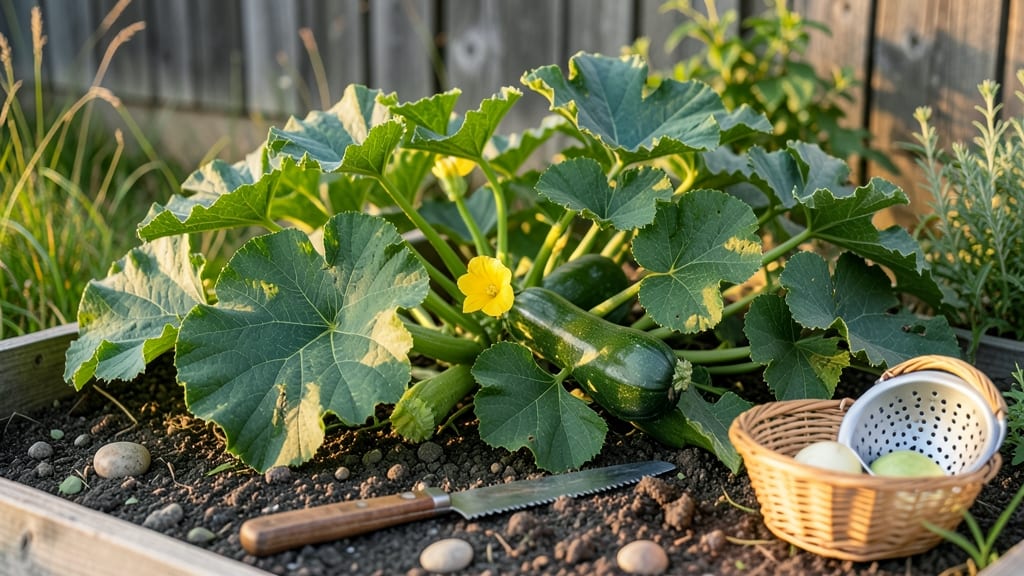
You can safely eat raw squash only with summer varieties like zucchini or yellow squash, which have tender flesh and low levels of bitter compounds. Hard-skinned winter squash (such as butternut or acorn) must be cooked to prevent digestive upset and bitterness from natural cucurbitacins.
Not all squash is created equal when it comes to raw consumption. 🔥 The key difference lies in their skin texture and chemical composition—summer squash varieties are bred to be eaten fresh, offering a crisp bite and hydrating properties.
Their thin skins and mild flavor make them perfect for salads or spiralizing, while their high water content (about 90%) helps keep you hydrated. On the other hand, winter squash varieties contain higher levels of cucurbitacins, which can cause stomach irritation if consumed raw.
Even when cooked, these compounds break down, making them safe to eat.
For those curious about trying raw squash, start with zucchini or yellow squash—they're the most commonly enjoyed raw. 💫 Slice them thinly to maintain their delicate texture, and pair them with lemon juice or herbs to enhance their natural sweetness.
Always peel and discard any seeds or tough skin before eating, as these parts can be more bitter and harder to digest.
💡 In This Article
- Safe Raw Squash Varieties and Their Nutritional Benefits
- Risks of Eating Raw Hard-Skinned Squash and How to Avoid Them
Safe raw squash varieties and their nutritional benefits
Summer squash varieties like zucchini, yellow squash, and pattypan squash are perfectly safe to eat raw because they contain minimal amounts of cucurbitacins—bitter compounds that can irritate the digestive system. 🌱 These varieties are bred specifically for their tender flesh and mild, slightly sweet flavor, making them ideal for fresh consumption.
Their skin is thin and easily peeled, while their flesh boasts a crisp yet creamy texture when sliced thinly.
The nutritional benefits of raw summer squash are impressive. A 1-cup (120g) serving of raw zucchini provides about 33 calories, 2 grams of fiber, and 24% of your daily vitamin C needs.
Yellow squash offers similar benefits, with added potassium and vitamin A. These nutrients support hydration, immune function, and skin health. Their high water content (90%) also makes them a refreshing addition to salads or as a crunchy snack.
Raw squash shines in culinary applications beyond salads. Thinly sliced zucchini adds a crisp texture to grain bowls, while spiralized yellow squash mimics pasta perfectly. 💛 The key is to use young, firm specimens—older squash can develop tougher skins and more pronounced bitterness.
Always store them in a cool, dry place (around 50-55°F) to maintain freshness and flavor for up to 1 week.
For those with sensitive stomachs, raw summer squash is an excellent choice because its low cucurbitacin content eliminates the risk of digestive upset. However, if you notice any bitterness, it's a sign to discard the squash—this indicates higher cucurbitacin levels.
The flesh should be pale green or yellow with no dark spots or soft patches, which could signal spoilage or increased bitterness.
Consider these key factors when selecting raw squash:
- Firmness: Choose squash that feels heavy for its size with a firm, glossy skin
- Color: Opt for vibrant green or yellow hues without yellowing or bruising
- Size: Smaller squash (under 8 inches) tend to be more tender and flavorful
When preparing raw squash, remove the ends and any blemished skin before slicing.
The seeds and fibrous core should always be discarded, as these parts contain higher concentrations of cucurbitacins and can be tough to digest. 💫 A quick rinse under cold water removes any surface dirt while preserving the crisp texture.