
Picking
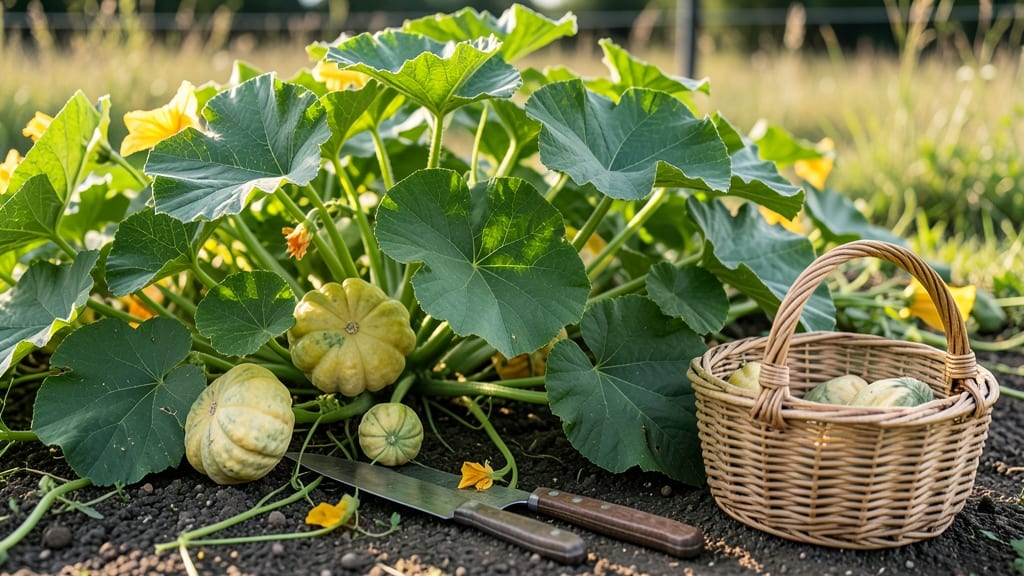
Freezing pattypan squash turns summer abundance into winter convenience—no soggy, mushy results here. 🌱 The secret lies in timing (harvest at peak firmness, just before they soften) and a quick blanch that locks in that crisp, sweet flavor.
I’ve frozen hundreds of these little gems over the years, and the difference between a good batch and a great one comes down to these simple but critical steps.
You’ll need just five supplies: fresh pattypan squash, a sharp knife, a large pot for blanching, ice water, and freezer bags or containers. The process takes about 45 minutes total, but the prep work—washing, peeling, and slicing—is where most people rush and regret it later.
Take your time here; uneven slices mean uneven cooking later.
After blanching for 3 minutes (critical for texture), plunge them into ice water to stop the cooking. Drain well, package in airtight containers, and freeze for up to 12 months.
When winter rolls around, you’ll pull out perfectly preserved slices ready for stir-fries, soups, or roasting—no texture loss, just pure flavor.
This method works for both long-term storage and quick meal prep, but skip the blanching if you’re freezing whole squash (they’ll last 3-4 months that way). The key is consistency: always blanch the same amount of time, and never overcrowd the freezer bags.
Trust me, your future self will thank you when you pull out crisp, vibrant squash in January.
📚 In This Guide
- What you need
- Instructions
- Tips and common mistakes
- Wrapping up and next steps
What you need
- ● Pattypan squash: 4–6 medium squash (about 2–3 lbs total), freshly harvested and firm to the touch.
- ● Water: Enough to fill a large pot (for blanching) and a clean sink or bowl (for ice bath).
- ● Ice: 1–2 cups (for the ice bath).
- ● Lemon juice or citric acid: 1 tbsp (to prevent browning and maintain color).
- ● Freezer-safe bags or containers: Quart-sized bags (with zip locks) or airtight containers for storage.
- ● Paper towels or clean kitchen cloths: For drying squash before freezing.
- ● Sharp chef’s knife or vegetable peeler: For trimming and slicing (a mandoline can speed up prep if you’re freezing in slices!).
- ● Large pot with lid: For blanching (deep enough to submerge squash in water).
- ● Slotted spoon or tongs: For transferring squash in/out of boiling water.
- ● Cutting board: A sturdy one to keep your workspace clean.
- ● Measuring spoons: For precise lemon juice or citric acid addition.
- ● Permanent marker: To label bags/containers with the date.
- ● Vacuum sealer: Extends shelf life by removing air (great for long-term storage!).
- ● Steam blancher: If you prefer steaming over boiling for a gentler touch.
- ● Glove or towel: To protect hands from hot squash or boiling water.
- ● Food scale: For weighing squash if you like precise measurements.
Step-by-Step instructions for freezing pattypan squash
Here’s how to preserve that summer harvest’s delicate sweetness for winter dishes.
🌿 Step 1: Harvest and Prep Squash for Freezing
Pick pattypan squash when fully mature but still firm—look for vibrant color and a slight give when pressed. Wash them thoroughly under cool water to remove any dirt or debris clinging to the skin. I like to trim off the stem end and any bruised spots with a sharp knife, as these areas can harbor bacteria during storage.
Cut the squash into ½-inch thick slices or ½-inch cubes—uniform pieces freeze evenly and thaw quickly. For extra crispness later, blanch the pieces immediately after cutting. This step locks in color and texture by briefly cooking the squash before freezing.
💧 Step 2: Blanch Squash to Preserve Crispness
Fill a large pot with 2-3 inches of water and bring to a rolling boil. While waiting, prepare an ice bath in a separate bowl—this will shock the squash and halt cooking. Once boiling, add the pattypan slices in a single layer (don’t overcrowd, or they’ll steam instead of blanch).
Blanch for 2-3 minutes—you’ll know it’s done when the edges just begin to soften slightly but the center remains firm. Drain immediately and plunge into the ice bath for 2 minutes to cool. This rapid temperature shift preserves texture better than air-drying. Drain again and pat dry with a clean towel or paper towels.
⏰ Step 3: Package for Freezing
Portion the blanched squash into 1-cup or 1-pint freezer-safe containers—this makes it easy to thaw only what you need later. Leave ½-inch headspace at the top to allow for expansion. I like to use heavy-duty freezer bags with the air squeezed out before sealing, as they take up less space in the freezer.
Label each package with the date and contents—pattypan squash stays best for 8-12 months in the freezer. For extra protection, wrap containers in plastic wrap before placing them in bags. Seal tightly to prevent freezer burn, which can dry out the squash and dull its flavor.
☃️ Step 4: Freeze and Store Properly
Place the sealed packages on a flat tray in the freezer for 2-4 hours before stacking. This prevents packages from sticking together and makes them easier to retrieve later. Once frozen solid, transfer them to a designated freezer storage bin or bag for long-term keeping.
For best results, keep the squash at 0°F or below—consistent cold temperatures prevent ice crystals from forming and degrading texture. Thaw only what you plan to use within a week, as repeated freezing and thawing can make the squash mushy. When ready to cook, use straight from frozen in soups, stews, or sautés.
Tips & tricks for perfectly preserved pattypan squash
Here's what nobody tells you about keeping that summer harvest's texture intact through winter.
The Cutting Secret: When slicing your pattypan squash into those ½-inch pieces in Step 1, use a sharp chef's knife and work on a stable cutting board. A dull knife crushes the delicate flesh, which can lead to mushier texture after freezing. I like to cut against the grain first to create flat surfaces that freeze more uniformly.
Blanching Precision: Those 2-3 minutes of blanching in Step 2 are critical—the edges should just begin to soften while the center stays firm. Over-blanching (more than 3 minutes) will turn your squash to mush when thawed. For extra crispness, blanch in batches if needed, but don't crowd the pot. A single layer ensures even cooking and prevents steaming.
Freezer Space Strategy: Before placing your packages on the tray for 2-4 hours in Step 4, arrange them with labels facing outward. This prevents packages from sticking together and makes them easier to identify later. I also recommend placing a small piece of parchment paper between packages if stacking containers—this creates a barrier against freezer burn.
Thawing Hack: When ready to use your frozen squash, don't thaw it completely before cooking. Simply add frozen pieces directly to hot pans or soups—they'll thaw as they cook. For baked dishes, you can thaw overnight in the fridge, but this works best for recipes where texture isn't as critical.
Pro Tips for Freezing Pattypan Squash
- Here's what nobody tells you about keeping that summer harvest's texture intact through winter.
- The Cutting Secret: When slicing your pattypan squash into those ½-inch pieces in Step 1, use a sharp chef's knife and work on a stable cutting board.
- Blanching Precision: Those 2-3 minutes of blanching in Step 2 are critical—the edges should just begin to soften while the center stays firm.
Frequently asked questions
How long can I store frozen pattypan squash?
Frozen pattypan squash keeps its best quality for 8–12 months when stored in airtight containers or freezer bags. After that, it may lose texture or flavor. For peak results, label packages with the freezing date and aim to use it within 6 months.
Can I freeze cooked pattypan squash?
Yes! Cooked pattypan squash freezes well, but texture may soften slightly. Blanching first (3–5 minutes) helps preserve crispness. Freeze in single-serving portions for easy reheating—just thaw in the fridge overnight or microwave until warm.
Why did my frozen pattypan squash turn mushy when thawed?
Mushiness usually means moisture wasn’t removed properly or the squash wasn’t blanched long enough. Try pat-drying slices thoroughly after blanching and use paper towels to absorb excess moisture before freezing. Pack in freezer-safe bags to minimize ice crystals.
What’s a good alternative if I don’t have pattypan squash?
Pattypan squash freezes similarly to zucchini, yellow squash, or hubbard squash. For a closer texture, choose small, firm varieties (like zucchini) and follow the same blanching steps. Avoid overripe or seedy squash—they won’t freeze as well.
How do I reheat frozen pattypan squash without losing crispness?
Thaw in the fridge overnight for best results. For quick reheating, microwave on medium power (50%) in 30-second bursts, stirring between each. To revive texture, sauté in a pan with a splash of water for 2–3 minutes after thawing.
Wrapping up and next steps
Freezing pattypan squash is your secret weapon for preserving that crisp, vibrant flavor all winter long!
With just a few simple steps—harvesting at peak ripeness, blanching, and proper packaging—you’ll unlock a treasure trove of versatility for soups, stir-fries, or roasted sides. Don’t let summer’s bounty go to waste—freeze now and savor the taste of harvest all year!
Ready to dive in? Grab your squash, follow the steps, and enjoy the satisfaction of home-preserved goodness. 🌱❄️