
Vegetables
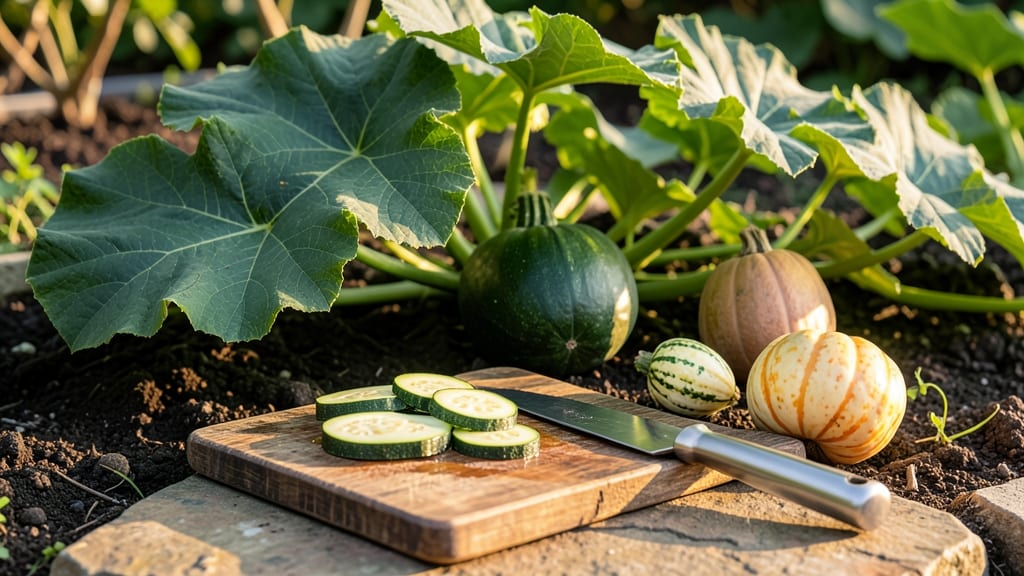
Not all squash are edible—some varieties contain toxic compounds like cucurbitacins, especially in bitter-tasting or wild types. Always cook squash thoroughly, avoid bitter-tasting parts, and research varieties before consumption to ensure safety.
When you're picking squash at the market or harvesting from your garden, it's crucial to know that some varieties can be dangerous if eaten raw or improperly prepared. 🌱 The bitter taste in certain squash is actually your body's warning system—it signals the presence of cucurbitacins, which can cause nausea, vomiting, or even more severe reactions in high doses.
Even common store-bought squash like zucchini or butternut have edible cousins in the wild that contain these compounds, so always double-check before consuming anything unfamiliar. Cooking properly reduces—but doesn't always eliminate—these toxins, which is why I recommend peeling and boiling squash thoroughly when in doubt.
For safe eating, stick to well-known varieties like yellow squash, acorn squash, or pumpkin, which have been cultivated for their edibility. 💛 If you're growing squash at home, avoid wild-growing types or those with unusually bitter flesh.
When testing new varieties, try a small cooked portion first and monitor for any adverse reactions—your taste buds and stomach will thank you!
💡 In This Article
- Toxic Squash Varieties and Their Dangerous Compounds
- How to Identify and Safely Prepare Edible Squash
Toxic squash varieties and their dangerous compounds
The danger in squash comes from cucurbitacins—bitter-tasting compounds that act as natural pesticides in the plant. These toxins trigger an immune response in humans, causing symptoms like nausea, diarrhea, or even skin irritation after contact.
The most toxic varieties belong to the Ecballium elaterium (squirting cucumber) family, which can cause severe reactions even in small amounts. 🔥 Unlike edible squash like Cucurbita pepo (zucchini, pumpkin), these wild types contain cucurbitacin levels up to 100 times higher.
Bitterness is your body's warning system—studies show that even 0.1% cucurbitacin content can make squash unsafe. For example, the Cucurbita foetidissima (buffalo gourd) contains enough toxins to cause vomiting if eaten raw.
Cooking reduces but doesn't eliminate these compounds, which is why peeling and boiling for at least 20 minutes is critical. The heat breaks down some toxins, but thorough preparation remains essential for safety.
Visual identification is key—wild squash often have spiky exteriors, irregular shapes, or deep green hues with yellow streaks. Edible varieties like butternut squash have smooth skin and uniform coloring. 💛 The Cucurbita maxima group (including pumpkins) is generally safe, but always check for unusual bitterness before eating.
Even small amounts of toxic squash can cause discomfort, so when in doubt, skip it.
Cooking methods matter—roasting at 375°F for 45+ minutes helps neutralize toxins better than quick boiling. However, some compounds like cucurbitacins E and I resist heat, meaning proper preparation is non-negotiable.
The USDA recommends discarding any bitter-tasting parts immediately, as they indicate high toxin levels. This is why gardeners and foragers must verify squash varieties before consumption.
Symptoms of cucurbitacin poisoning appear within 30 minutes to 2 hours and include stomach cramps, dizziness, or even temporary blindness in severe cases.
Historical records show that Native American tribes used wild squash medicinally in controlled doses, but modern consumption requires caution. 💫 Always research squash before eating—when in doubt, treat it as potentially toxic.