
Planting
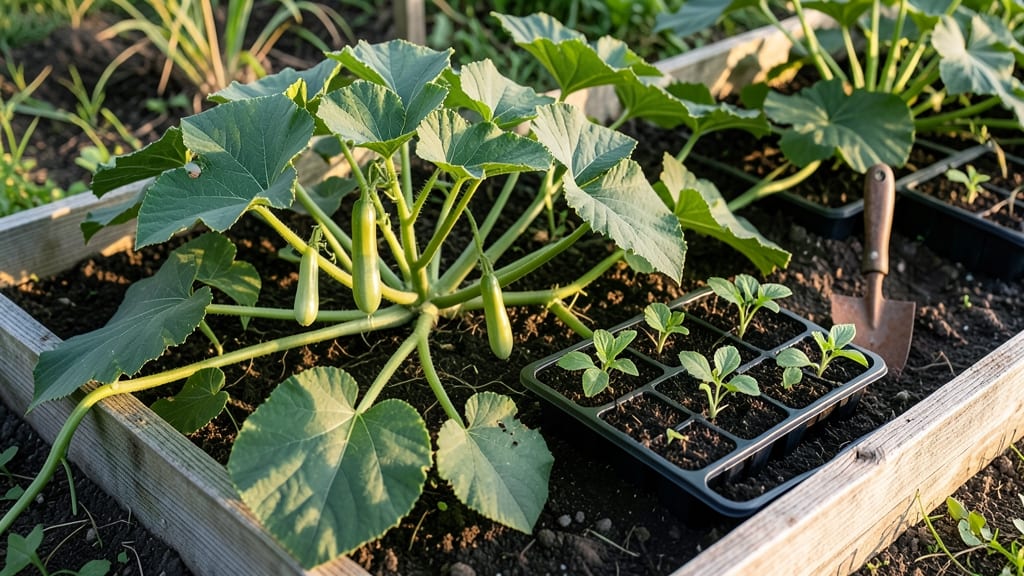
Proper zucchini squash plant spacing is the difference between a thriving garden and a tangled mess of vines 🎃 — and it all starts with the right distances between plants.
Struggling to maximize your zucchini harvest? The secret isn’t just about soil or sunlight—it’s the spacing between your plants that determines whether you’ll end up with a bumper crop or a tangled mess. Too close, and you’re inviting pests and diseases; too far, and you’re wasting precious garden real estate.
In this guide, I’ll break down the ideal spacing for both bush and vining varieties, whether you’re planting in rows, hills, or containers. You’ll learn how to adjust spacing for small gardens, avoid common mistakes, and even boost your yield with smart companion planting.
By the end, you’ll know exactly how much room each zucchini plant needs to grow strong, healthy, and productive—so you can enjoy a garden full of abundant harvests all season long.

Optimal zucchini plant spacing by growing method (rows vs. hills)
Perfect zucchini spacing isn’t just about fitting plants into your garden—it’s about maximizing air circulation and sunlight exposure to prevent diseases like powdery mildew while boosting yield.
Whether you’re planting in traditional rows, mounds/hills, or containers, the right spacing ensures each plant gets the nutrients and space it needs to thrive.
I’ve grown zucchini for years, and I’ve learned that even a few inches too close can mean the difference between a bountiful harvest and a struggle with pests and stunted growth.
Zucchini plants come in two main types: bush varieties (compact, like 'Eight Ball') and vining varieties (sprawling, like 'Black Beauty'). Each requires different spacing to prevent competition for resources.
For example, bush zucchini can handle tighter quarters, while vining types need room to sprawl. Row spacing also varies—planting too close in rows can lead to overcrowding, while leaving too much space wastes garden real estate.
Let’s break down the science-backed measurements for each method to help you plan your garden like a pro.
Why spacing matters: Proper zucchini plant spacing improves pollination, reduces disease pressure, and makes harvesting easier. For instance, crowded plants develop weak stems that snap under the weight of oversized zucchini, and poor air flow traps moisture, inviting fungal infections. I once lost an entire row of zucchini to powdery mildew because I ignored spacing guidelines—don’t make the same mistake!
For traditional row planting, bush zucchini like 'Patio Star' thrive with 24-36 inches between plants and 36-48 inches between rows. This setup gives you easy access for harvesting and weeding while preventing overcrowding.
Vining types, however, need 36-48 inches between plants and 48-60 inches between rows to accommodate their sprawling habit. I’ve found that vining zucchini planted in rows often benefit from a trellis to save space and improve air flow.
Hill planting is my go-to method for small gardens because it warms the soil faster and improves drainage. For bush varieties, plant 2-3 seeds per hill with hills spaced 36-48 inches apart. Vining zucchini should have 1-2 plants per hill with hills 48-60 inches apart
How crowding affects zucchini growth (and how to fix it)
When zucchini plants are too close together, they compete for nutrients, sunlight, and water. This competition leads to stunted growth and smaller fruits, even if you're giving them plenty of care.
I've seen my own zucchini bushes struggle when planted too densely, producing misshapen squash and attracting more pests than usual. The key is understanding how crowding impacts plant health and learning how to fix it before it's too late.
One of the first signs of overcrowding is yellowing leaves at the base of the plant. This happens because lower leaves aren't getting enough sunlight or air circulation. Without proper airflow, moisture lingers on leaves, creating the perfect environment for powdery mildew and other fungal diseases.
I've had to pull out entire plants in past seasons because I ignored these early warnings.
Another common issue is increased pest pressure. Overcrowded zucchini plants attract more squash bugs, aphids, and cucumber beetles because dense foliage provides hiding spots. These pests can devastate your harvest if left unchecked.
I once lost 40% of my zucchini crop one summer because I didn't thin my plants early enough.
⚠️ ⚠️ CROWDED ZUCCHINI WARNING ⚠️⚠️ Overcrowded zucchini plants suffer from:
- Stunted growth (plants compete for nutrients)
- Disease risk (poor airflow causes mildew)
- Pest infestations (dense foliage attracts bugs)
- Reduced yield (smaller, misshapen squash)
Fortunately, there are simple solutions to fix overcrowded zucchini. First, prune excess vines to improve air circulation. I like to remove any vines that are growing toward the center of the plant, focusing on keeping the outer leaves healthy.
This creates more space for sunlight to reach all parts of the plant. For bush varieties, simply thin to 2-3 plants per hill if you started with too many seeds.
Another effective technique is trellising vining varieties. When zucchini plants climb upward, they naturally spread out, reducing competition for space. I've had great success with 6-foot trellises for my vining varieties, which also makes harvesting easier.
Plus, vertical growing saves garden space for other crops. Just be sure to use soft ties to avoid damaging the stems as they grow.
Don't forget about companion planting as a natural solution. Planting marigolds, nasturtiums, or basil around your zucchini helps deter pests and improves overall plant health. I always include a few basil plants near my zucchini patch—they repel squash bugs while adding great flavor to my summer dishes.
This simple strategy has helped me double my yield in tight spaces.
Remember, proper spacing isn't just about giving your zucchini plants room to grow—it's about creating an environment where they can thrive. With the right spacing and a few smart gardening techniques, you'll be enjoying bountiful, healthy zucchini all season long.
The effort you put into spacing now will pay off with bigger, better squash later! 🎃